Author: nimanajafi97

  • Creative Landscaping And Retaining Walls With Budget-Friendly Blocks

    Creative Landscaping And Retaining Walls With Budget-Friendly Blocks

    Summary
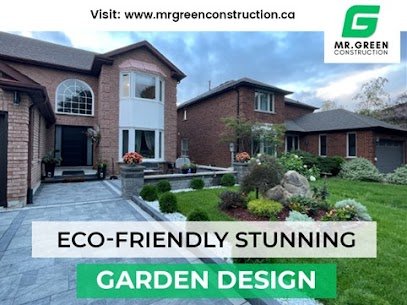
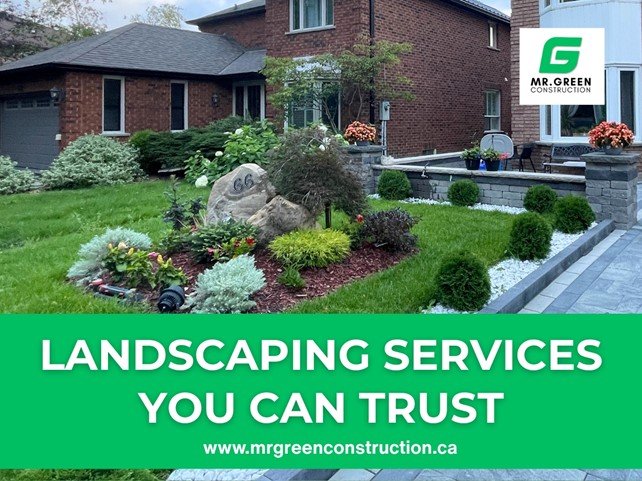
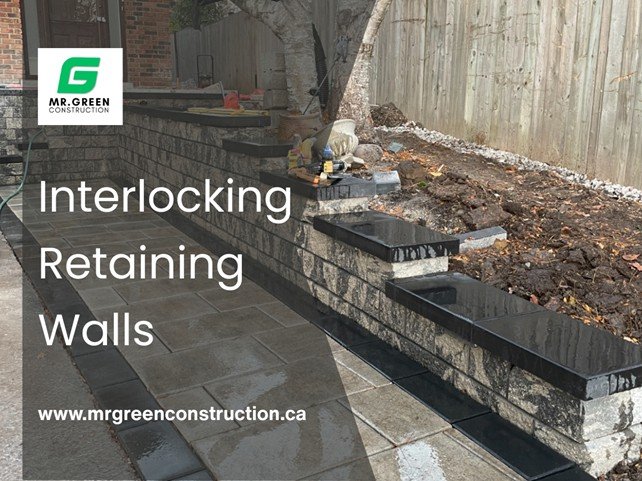
    Homeowners who want practical, attractive, and affordable outdoor upgrades often look for ideas that combine landscaping and retaining walls with materials that fit a reasonable budget. Many projects do not require premium stone to look impressive. With thoughtful planning and the right installation approach, you can build beautiful and long-lasting spaces without overspending. This guide explores creative ways to use budget-friendly blocks, where they work best, and how to design a landscape that feels structured and polished. It also explains how certain features help support soil, shape garden areas, and improve the overall look of your property. Later in the guide, you will also see how cheap interlocking retaining wall blocks offer strong value for homeowners.

    Creative Landscaping And Retaining Walls With Budget-Friendly Blocks:
    Here is the thing. Designing an outdoor space does not always need high-end materials or complicated construction. What matters more is how the pieces work together. When homeowners explore landscaping and retaining walls as a combined project, they open the door to stronger yard structure, better soil management, and cleaner design flow. The right retaining wall blocks help shape garden beds, manage slopes, protect soil from erosion, and create usable outdoor areas where the family can relax or entertain. This approach supports both function and aesthetics, which is why so many homeowners prefer it.

    Thoughtful planning helps you maximize every part of the space. Even simple blocks can create impressive results when used with smart layout ideas, layered planting, and proportionate wall height. When you blend creativity with careful planning, your landscape becomes more organized and easier to maintain.

    Why Retaining Walls Improve Landscape Design:
    Retaining walls have an important purpose beyond looks. They strengthen soil boundaries, reduce erosion, and create flat usable sections in yards with natural slopes. Homeowners often choose retaining walls to address structural issues first, then expand the design to include garden features or seating areas. A well-built retaining wall helps the whole yard function better.
    Short pointers to highlight key advantages:
    • They stabilize soil on sloped yards.
    • They create clear and attractive boundaries.
    • They support raised gardens and planting beds.
    • They define walkways and outdoor rooms.
    • They help direct water away from structures.

    Once the wall is built, homeowners can layer plants, lighting, seating, or pathways around it. The wall becomes a visual anchor that ties the entire landscape together.

    How Budget-Friendly Blocks Fit Into Creative Landscaping:
    Budget-friendly block options allow homeowners to build walls that look good and stay strong without paying premium stone prices. These blocks come in consistent shapes, making them simple to stack and align. They are also designed to hold soil pressure effectively when installed correctly. Because the blocks are lighter than natural stone, they are easier to handle, which reduces installation time and labour needs.

    The flexibility of these blocks lets you experiment with curved edges, stepped walls, or low garden borders. Blocks can also be combined with gravel, mulch, or decorative stone to create a polished and well-balanced look. Homeowners appreciate that these blocks allow more of the budget to go toward plants or other upgrades.

    Where Budget-Friendly Walls Make the Most Impact:
    Retaining walls offer value in many parts of the yard. Some of the most common and effective uses include:
    • Garden edging for neat planting areas.
    • Raised garden beds that highlight flowers or shrubs.
    • Small seating ledges around patios.
    • Soil support around walkways or driveways.
    • Terraced slopes that create multiple flat levels.
    • Borders around outdoor living spaces.
    • Support for sloped backyards that need stabilization.

    These additions help shape the space in a way that feels intentional and visually balanced.

    Helpful Questions About Landscaping And Retaining Walls

    Q1. How do retaining walls improve the overall look of a yard?
    A1. Retaining walls create clean edges, support raised gardens, and form structured levels in the landscape. They help the design feel organized and visually appealing.

    Q2. Can budget-friendly retaining wall blocks still be durable?
    A2. Yes. Many affordable block options are engineered to handle soil pressure and outdoor conditions well when installed correctly with proper base preparation.

    Q3. Where should retaining walls be placed for maximum benefit?
    A3. The best locations include sloped areas, raised beds, garden borders, or spaces where soil needs added support. Walls also work well around patios and walkways.

    Q4. Do retaining walls require a lot of maintenance?
    A4. Not usually. When built on a proper compacted base with good drainage, retaining walls require minimal care aside from occasional cleaning or small touch-ups.

    Q5. Can homeowners combine retaining walls with planting and other outdoor features?
    A5. Absolutely. Walls look great with layered plants, low shrubs, pathway lighting, potted arrangements, or seating that follows the wall line.

    How Good Design Enhances the Final Look:
    A successful landscape relies on proportion and flow. Retaining walls help divide space in a way that feels natural. When the height, length, and placement of the wall match the shape of the yard, the entire area becomes easier to navigate. Pairing wall sections with soft landscaping like shrubs, ornamental grasses, or seasonal flowers also softens the look. This balance between structure and greenery helps create a yard that feels welcoming.

    Lighting also plays an important role. Soft pathway lights or warm glow features along the wall help highlight textures and make evenings more inviting. Homeowners who want additional detail sometimes add small steps or curved transitions to guide movement from one level of the yard to another.

    Why Soil Support Is Essential for Any Yard:
    The strength of the yard comes from the way the soil is supported. Retaining walls prevent soil from shifting, washing out, or crowding paths and patios. Even a short wall can make a big difference if built correctly. A well-compacted base and proper drainage behind the wall ensure long-term stability. Without proper support, soil movement can weaken lawns, disrupt gardens, and create uneven areas that become difficult to maintain.

    Good soil support also improves plant health. Raised beds give roots more room and better drainage. They also make maintenance easier because the gardens become more defined and accessible.

    Choosing the Right Placement for Maximum Value:
    Choosing where to place your walls determines how much visual impact they will have. A wall near the patio can create a cozy sense of enclosure. A wall along a slope can open more usable yard space. A wall behind a garden helps frame plants and keep the area tidy. Walking through the yard and visualizing how the space flows helps shape the design. Homeowners often benefit from professional guidance to understand slope angles, soil conditions, and water flow before deciding on placement.

    Making the Most of Budget-Friendly Materials:
    Budget-friendly blocks work best when paired with smart design choices. They give you the freedom to build terraces, steps, garden borders, and seating edges without exceeding your budget. You can mix textures such as gravel, mulch, or natural stone to elevate the final look. Consistent block sizes also make it easier to maintain clean lines. When installed carefully, these blocks can last for many years.

    Homeowners appreciate that these materials allow them to focus more on greenery, lighting, and finishing touches. A great design does not depend solely on expensive materials. It depends on thoughtful placement, correct construction, and a balance of textures and plant choices. Mr Green Construction specializes in helping homeowners transform their yards with strong, attractive, and affordable solutions. Their experience ensures proper ground preparation, correct block installation, and smooth project planning. They help you choose the right layout, understand slope and soil needs, and build outdoor features that last. Many homeowners also want to learn more about options such as cheap interlocking retaining wall blocks, and the team at Mr Green Construction is always ready to guide you toward choices that fit both your vision and your budget.
  • What Affects Tree Removal Cost in Ontario

    What Affects Tree Removal Cost in Ontario

    Summary:
    Understanding what shapes tree removal costs in Ontario helps homeowners make smart decisions when dealing with unsafe or aging trees. Costs can vary widely depending on size, condition, location, and the amount of work required to remove the tree safely. Since homeowners often search for related services such as tree trimming near you, it becomes even more important to know how tree removal pricing works and how to choose a trusted team. This guide explains the key factors that influence cost and offers clear insights that help you prepare for your project with confidence.

    What Affects Tree Removal Cost in Ontario:
    Here is the thing. No two trees are ever the same, and that is why tree removal costs in Ontario can look very different from one property to another. A tree that stands tall in an open yard takes far less effort to remove than a leaning, decayed, or storm-damaged tree sitting close to a house. Everything from the height to the health of the tree shapes the final estimate. When you understand these details, you get a clearer picture of what the service truly involves.

    Tree Size and Height Influence Price:
    Tree size is one of the most significant cost factors because it determines how the crew will approach the job. Larger trees take longer to cut, longer to section, and longer to clean up. Smaller trees are much simpler because the branches are lighter and easier to control. Height also matters because the taller the tree, the more support and planning is needed. Taller trees require climbing, controlled lowering of branches, and in some cases, specialized equipment.

    Condition and Stability Matter:
    A healthy tree behaves predictably during removal, which helps the team cut and lower each section safely. A decaying or dead tree is much more challenging. Weak wood can break without warning. Sections can crumble instead of staying intact. Branches may snap unexpectedly. When a tree shows signs of disease, hollowing, or storm damage, the crew must slow down and adjust their approach to prevent sudden failures. That extra care adds to the overall cost.

    Location on the Property Changes the Approach:
    A tree standing in a wide open backyard is far easier to remove than a tree surrounded by fences, patios, sheds, gardens, or overhead lines. When access is limited, the team cannot rely on regular drop space. They must use controlled cutting so every branch lands safely. This often requires more workers, more equipment, and more time. Tight spaces demand thoughtful planning, and that planning influences the price.

    Nearby Structures Add Complexity:
    Trees close to homes, decks, driveways, or pools need to be removed in smaller, controlled sections. Each piece must be guided down gently rather than dropped. A tree that leans over a roof requires even more precision. Every branch must be cut in a way that protects buildings, powerlines, and neighbouring properties. Careful sectional removal increases labour time and contributes to the total cost.

    Different Equipment for Different Trees:
    Some trees can be removed using basic chainsaw work and climbing skills. Others require ropes, rigging, or cranes to lift large sections. Certain removals may need stump grinders or special saws, depending on the species and trunk thickness. When advanced equipment becomes necessary, the cost reflects the time and expertise involved.

    Stump Removal Is an Additional Choice:
    Tree removal often leaves a stump behind unless homeowners request stump grinding or full stump removal. Grinding involves breaking the stump into small chips until it sits below the soil. Full removal is more intensive because it requires digging out the root system. Older or larger stumps take longer to grind or remove. This step is optional but adds to the overall project cost.

    Wood Type and Root Structure Affect Labour Time:
    Ontario has many species with very different characteristics. Some trees have soft wood that cuts easily. Others have dense hardwood that takes longer to handle. Certain trees develop wide, spreading roots or thick trunk bases that need more effort. Identifying the species helps determine how much labour will be required, which is another element that shapes pricing.

    Emergency Removals Can Cost More:
    Emergency tree removal often involves unstable trees that lean, split, or fall after storms. These situations require immediate attention, sometimes outside regular service hours. They also demand extra caution because the tree may already be compromised. Urgency, risk level, and time of day all play a role in the final cost of emergency removal.

    Cleanup is Part of the Work:
    Tree removal does not end once the trunk is cut. Branches must be gathered, wood must be hauled or chipped, and the yard must be left safe. Cleanup time varies depending on the size of the tree and how much wood the homeowner chooses to keep. Large trees create large debris piles. This extra handling is included in the estimate.

    Why Choosing a Professional Makes a Difference:
    Tree removal involves height, heavy equipment, unpredictable wood behavior, and significant risk. Experienced crews understand how to evaluate the tree, identify hazards, and choose the method that keeps the property safe. Professionals also know how to handle controlled cuts, rope systems, and difficult angles. They remove the tree without damaging surrounding structures and complete the cleanup, so your yard is ready to use again. A well-handled removal gives homeowners peace of mind while protecting both property and safety.

    Helpful Questions About Tree Removal Cost

    Q1. Why does tree removal cost vary so much in Ontario?
    A1. Costs vary because every tree has a different size, height, condition, and location. Each removal requires a different amount of equipment, labour, and planning.

    Q2. Does removing a dead tree cost more?
    A2. It often does because dead or decaying trees are unpredictable. They may collapse or split unexpectedly, which makes the removal process slower and more cautious.

    Q3. How do I know if my tree needs to be removed?
    A3. Signs include leaning, cracking, hollow areas, fungus growth, falling branches, and visible decay. A professional inspection helps confirm whether removal is necessary.

    Q4. Is stump grinding included in tree removal?
    A4. Stump grinding is usually offered as an additional service. Some homeowners want the stump removed completely, while others choose to leave it.

    Q5. Who should I contact for safe and reliable tree removal services?
    A5. A trusted and experienced outdoor construction company that understands local regulations, safety practices, and tree care standards in Ontario. Homeowners rely on skilled teams to handle tree removal with care and precision. Mr Green Construction works closely with homeowners to assess tree condition, create a safe removal plan, and complete the work with clear communication. Whether you are dealing with a damaged tree, planning landscape improvements, or exploring related services such as tree trimming near you, their team is ready to help you protect your property and maintain a healthy outdoor environment.

  • How Turf Rolls Improve Lawn Health Fast

    How Turf Rolls Improve Lawn Health Fast

    Summary:
    Homeowners often look for practical ways to repair patchy lawns, improve soil health, and create a consistent green yard without waiting months for results. Turf rolls and an understanding of sod prices in Ontario play a major part in this decision. Turf rolls offer instant coverage, fast rooting, and long-lasting lawn strength when installed correctly. This guide explains how turf rolls improve lawn health fast, why they work so well, and what homeowners can expect when they choose a professional installation team.

    How Turf Rolls Improve Lawn Health Fast:
    Here is the thing. A strong lawn starts with healthy roots. When grass grows from seed, everything depends on weather, watering, soil conditions, and patience. Turf rolls skip this entire waiting period. Each roll is grown on healthy soil, trimmed consistently, watered correctly, and prepared to adapt quickly once installed on your property. Because the roots already exist, the lawn begins to establish itself almost immediately. Within a short period, the grass starts anchoring deep into the soil, helping the entire yard stabilize.

    The benefit is obvious the moment turf rolls are laid out. You get a green and full lawn without bare areas or thin patches. This instant density protects the soil from wind, heat, and foot traffic. It also gives your yard a healthy base for long-term growth.

    Why Turf Rolls Make a Noticeable Difference:
    Many homeowners feel frustrated when seeding does not produce the uniform lawn they imagined. Turf rolls are designed to avoid that problem. They transform the lawn fast and promote stronger growth for months ahead.
    • Turf rolls provide even and predictable coverage.
    • They reduce weed growth by covering open soil.
    • They protect the lawn from erosion during rain and wind.
    • They help the soil stay cool and hydrated.
    • They allow homeowners to use the yard sooner than seeded lawns.

    Over time, the consistent thickness increases the lawn’s ability to handle daily activity. Pets, kids, garden tools, and seasonal changes become easier to manage because the lawn has the structure it needs to stay healthy.

    The Science Behind Fast Rooting:
    The secret behind turf rolls is in the preparation phase, long before they reach a homeowner’s yard. These rolls are grown on well-maintained soil with regular watering, sunlight, and trimming. This process builds strong young roots that are ready to take hold once installed. When placed over prepared soil, the roots begin to attach within a few days and start spreading across the yard.

    Stronger roots create a healthier lawn in several ways.
    • They help the lawn survive hot summers.
    • They improve soil aeration.
    • They support deeper nutrient absorption.
    • They hold moisture longer.
    • They prevent soil from becoming compact or hard.

    Healthy roots are the foundation of a long-lasting lawn. Turf rolls simply give your property a head start.

    How Turf Rolls Strengthen Soil Conditions:
    A lawn cannot grow well unless the soil stays healthy. Turf rolls naturally support this process by acting as a shield. The moment they are installed, the lawn covers the soil completely. This slows evaporation and protects important microorganisms that keep the soil nutrient-rich.

    Here is how turf rolls help improve soil health.
    • They reduce water loss during hot days.
    • They prevent erosion during storms.
    • They maintain a stable temperature that protects beneficial organisms.
    • They keep the soil loose and easy for roots to penetrate.
    • They limit weeds that compete for nutrients.

    Healthy soil makes everything easier. It keeps the lawn greener, thicker, and more resilient throughout the year.

    Water Retention and Its Impact on Lawn Health:
    Water plays a major role in the first few weeks of lawn establishment. Turf rolls hold moisture better than bare soil or newly seeded areas because the grass layer prevents rapid drying. This steady moisture helps roots travel deeper and build a stronger foundation.

    Here is how good water retention improves lawn health.
    • It reduces early stress on the grass.
    • It keeps the soil soft so roots spread easily.
    • It prevents uneven growth patterns.
    • It supports steady recovery during the rooting stage.

    Homeowners find watering much easier to manage with turf rolls because the lawn stays consistent and predictable.

    Why Turf Rolls Are Preferred Over Traditional Seeding:
    Seeding has its place, but it also brings challenges. Uneven germination, weather-related delays, and patchy growth are common issues. Turf rolls eliminate these concerns.
    • Turf rolls create an instant lawn.
    • Seed requires weeks to grow and stay stable.
    • Turf rolls block weeds better than open soil.
    • Seeds can wash away during storms.
    • Turf rolls provide uniform density immediately.
    • Seeded lawns often need several rounds of overseeding.

    For homeowners who want fast and dependable results, turf rolls offer a practical and reliable solution.

    Installation Steps That Ensure Healthy Growth:
    A smooth installation process supports fast rooting.
    • Remove debris and old grass from the area.
    • Add new topsoil if the lawn needs nutrient support.
    • Level and smooth the surface.
    • Lay the turf rolls tightly with no spaces between them.
    • Water the entire lawn thoroughly right after installation.
    • Maintain consistent watering for the first two weeks.

    These steps create the conditions for quick and healthy growth.

    Common Mistakes To Avoid During Installation:
    Simple mistakes can delay rooting.
    • Do not place rolls on dry soil.
    • Do not skip soil leveling.
    • Do not under-water the lawn during the first week.
    • Avoid mowing too soon.
    • Keep foot activity light until the roots attach properly.

    Avoiding these mistakes helps the lawn stay strong from the start.

    Care Tips That Help Turf Rolls Recover Faster:
    After installation, your new lawn needs steady care.
    • Water twice daily during the first week.
    • Reduce watering slowly as the roots strengthen.
    • Keep the grass longer during early growth to protect moisture.
    • Use a gentle fertilizer once the lawn is more established.
    • Watch the edges and corners since they dry faster.

    Simple early care makes a major difference in long-term results.

    Where Turf Rolls Work Best:
    Turf rolls suit a wide range of residential and commercial spaces.
    • Family backyards
    • Elegant front lawns
    • Garden borders
    • Courtyards
    • Play areas
    • Commercial complexes
    • Poolside spaces
    • High traffic walkways

    This flexibility makes turf rolls a strong choice for both small upgrades and complete yard transformations.

    Helpful Questions About Turf Rolls:

    1. How long do turf rolls take to root?
      Most lawns start rooting in a week. Full rooting usually happens within two or three weeks, depending on soil quality and watering.
    2. Do turf rolls work well in all seasons?
      They work well across different seasons as long as the grass variety matches the local climate and receives proper watering.
    3. Are turf rolls safe for homes with kids or pets?
      Yes. The instant thickness creates a comfortable surface that reduces mud, dirt, and uneven spots.
    4. When can you walk on freshly installed turf?
      Light walking is fine within a week, but heavy use should wait until full rooting to avoid lifting or shifting.
    5. Do turf rolls require a lot of maintenance?
      No. Once rooted, they need the same basic maintenance as a regular lawn, which includes watering, mowing, and occasional fertilizing.


    Turf rolls are one of the most reliable ways to build a strong and healthy lawn in a short time. They provide instant coverage, steady rooting, and long-lasting protection for your soil. Homeowners benefit from a lawn that looks great from the first day and continues to grow stronger with the right care. When installed with professional support, turf rolls bring out the best in any outdoor space. If you are ready to create a greener, healthier yard, Mr Green Construction can guide you through the entire process. Their team ensures proper installation, thorough planning, and reliable service that helps your lawn thrive. With trusted workmanship and clear communication, they help homeowners choose the right turf rolls and understand SOD prices in Ontario so that the final result fits both your vision and your budget. Reach out to Mr Green Construction to begin planning your lawn transformation today.
  • Why Regular Tree Trimming in Richmond Hill Matters

    Why Regular Tree Trimming in Richmond Hill Matters

    Summary
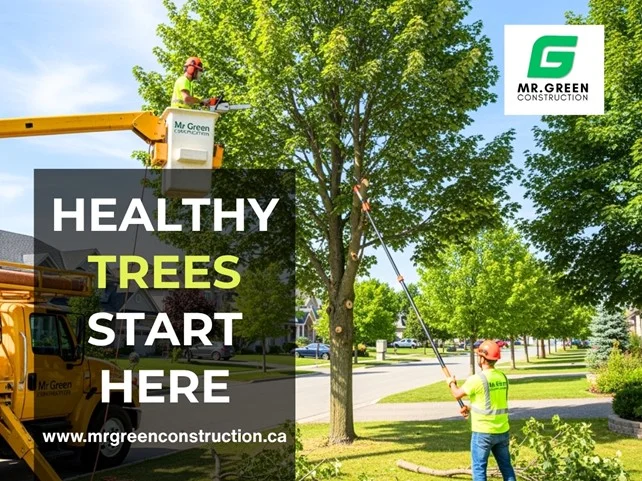
    Homeowners who invest in proper tree care quickly see the difference in how their property looks and feels. For those searching for Tree Trimming Richmond Hill or wondering about Tree planting near me, understanding the value of consistent tree maintenance is essential. Tree trimming is not just about shaping branches for appearance. It is a vital part of landscape health that keeps trees strong, safe, and attractive all year long. In this blog, we explore why regular trimming matters, when to do it, and how professionals like Mr Green Construction help Richmond Hill homeowners maintain beautiful and healthy outdoor spaces.

    The Role of Tree Trimming in a Healthy Landscape

    Trees are a defining feature in many Richmond Hill properties. They provide shade, clean the air, and bring beauty to both front and backyards. However, without routine trimming, even the healthiest trees can become overgrown, unstable, or hazardous.

    Tree trimming removes dead or weak branches before they fall and damage nearby structures. It also allows light and air to move through the canopy, helping trees grow stronger and live longer. For homeowners, regular maintenance creates safer, cleaner, and more appealing outdoor spaces.

    Professional Tree Trimming Richmond Hill services ensure that your trees are cared for properly, using precise techniques suited to the type and age of each tree.

    Benefits of Regular Tree Trimming

    Here are some key reasons why consistent trimming should be part of every homeowner’s landscaping plan:

    1. Promotes Healthy Growth:
      Trimming encourages trees to grow evenly by removing damaged or diseased branches. It redirects nutrients to the healthiest areas, resulting in stronger trunks and fuller canopies.
    2. Prevents Hazards:
      Overgrown branches can pose serious risks, especially during storms or heavy snow. Regular trimming keeps branches from interfering with power lines, rooftops, and walkways.
    3. Enhances Property Appearance:
      Well-trimmed trees make a yard look clean and inviting. They frame your home beautifully, increase curb appeal, and improve the balance of your landscape design.
    4. Encourages Fruit and Flower Production:
      For flowering or fruit-bearing trees, trimming helps increase bloom output and fruit quality by allowing more sunlight to reach interior branches.
    5. Improves Air and Sunlight Flow:
      Trimming thins the canopy, allowing better air circulation and more light to reach the lawn or garden below. This improves the overall health of nearby plants.
    6. Increases Longevity:
      Routine trimming can extend a tree’s lifespan by reducing stress on weaker limbs and promoting strong structural development.

    When Is the Best Time for Tree Trimming

    Timing plays a big role in how well your trees respond to trimming.

    • Late Winter to Early Spring is ideal for most trees, as they are dormant and less likely to experience stress.
    • Summer trimming helps control shape and manage excessive growth.
    • Fall trimming should be limited, as trees prepare for dormancy and may heal slowly.

    For specialized species or large trees, it’s best to consult professionals who understand local growing cycles in Richmond Hill. They can assess which trimming schedule works best for your landscape.

    Signs Your Trees Need Trimming

    Knowing when to trim can prevent long-term problems. Look out for these signs that your trees may need professional care:

    • Branches hanging too close to roofs or windows
    • Dead or broken limbs after storms
    • Uneven or lopsided growth
    • Thick canopies block sunlight from your yard
    • Visible signs of disease, fungus, or decay

    If you notice any of these issues, contact experts for Tree Trimming Richmond Hill to evaluate the condition and recommend safe trimming options.

    Tree Trimming Techniques Used by Professionals

    A professional approach to trimming ensures both safety and plant health. Some common methods include:

    • Crown Thinning – Selectively removing inner branches to increase light and air flow.
    • Crown Raising – Removing lower branches to clear space for pedestrians, vehicles, or views.
    • Crown Reduction – Trimming back large sections to reduce tree height while maintaining balance.
    • Deadwood Removal – Taking out dead or weak branches before they pose a risk.

    Each method is chosen based on tree size, type, and placement on the property.

    Smart Questions Homeowners Often Ask

    Q1. How often should trees be trimmed in Richmond Hill?
    Ans 1: Most mature trees benefit from trimming every 3 to 5 years, while younger trees may require annual shaping to encourage strong growth.

    Q2. Can I trim trees myself, or should I hire a professional?
    Ans 2: Small, low branches can be handled by homeowners, but taller trees or major trimming should always be done by professionals for safety and accuracy. Hiring experts in Tree Trimming Richmond Hill ensures the job is done right without damaging the tree.

    Q3. How is tree trimming different from pruning?
    Ans 3: Pruning focuses on plant health by removing dead or diseased branches. Trimming, while similar, is mainly about maintaining structure and aesthetics. A complete care plan includes both.

    Q4. What should I consider for new trees?
    Ans 4: If you are planning to add trees, searching for Tree planting near you can connect you with experts who can advise on species selection and proper planting locations to ensure healthy, long-term growth.

    Q5. What happens if trees are not trimmed regularly?
    Ans 5: Neglecting trimming can lead to uneven growth, disease spread, and safety hazards from falling branches. Over time, untrimmed trees may also weaken structurally.

    How Tree Trimming Supports New Tree Planting

    Tree trimming and planting go hand in hand. A well-maintained landscape is not only about managing what already exists but also about adding new life to your yard.

    If you’ve recently planted young trees, trimming helps shape their early growth and strengthen root systems. It also ensures they grow upright and balanced without leaning toward sunlight or nearby structures.

    When searching for Tree planting near me, choose professionals who provide both planting and trimming services. This ensures every stage of your landscape’s growth is managed properly and consistently.

    Environmental and Community Benefits

    Maintaining trees contributes to more than just your property’s appearance. Healthy trees improve local air quality, reduce urban heat, and support local wildlife.

    • Cleaner Air: Trees filter pollutants and provide oxygen.
    • Energy Savings: Shaded properties stay cooler in summer, reducing the need for air conditioning.
    • Erosion Control: Strong roots stabilize the soil and reduce runoff.
    • Community Value: A well-landscaped neighborhood looks welcoming and increases overall property values.

    By investing in proper Tree Trimming Richmond Hill services, you are not just improving your yard but also contributing to a greener and healthier community.

    Why Professional Care Matters

    Tree trimming may look simple, but it involves a deep understanding of plant biology and structural integrity. Over-trimming can stress a tree or make it vulnerable to disease, while trimming at the wrong time can stunt its growth.

    Professional landscapers like Mr Green Construction bring experience and precision to every project. They use proper techniques and tools to ensure each cut supports healthy regrowth. Safety is another key factor, especially when trimming large trees near homes or power lines.

    By working with a professional team, you ensure that your landscape remains safe, beautiful, and well-balanced year after year.

    Maintenance Tips for Homeowners

    Between professional visits, you can take small steps to keep your trees in good shape:

    • Water deeply during dry seasons.
    • Watch for signs of pests or disease.
    • Clear fallen branches or debris after storms.
    • Avoid piling mulch too high around tree trunks.
    • Keep an eye on young trees to ensure straight growth.

    These simple habits support long-term tree health and help preserve the investment you’ve made in your landscape.

    Bringing It All Together

    Regular tree trimming is one of the most important steps in keeping your landscape safe, attractive, and sustainable. It supports healthy growth, prevents property damage, and enhances the overall appearance of your yard. Whether you need trimming, maintenance, or professional advice on Tree planting near me, having a trusted expert makes the process easier and more reliable.

    Work with Mr Green Construction

    At Mr Green Construction, we provide professional Tree Trimming Richmond Hill services designed to protect and beautify your property. Our experienced team understands local trees, climate, and soil conditions, ensuring that every trim promotes strength, shape, and longevity.

    We also offer tree planting, garden design, retaining wall construction, and full landscaping solutions tailored to Richmond Hill homeowners. Whether you are maintaining mature trees or growing new ones, our approach focuses on long-term care, visual appeal, and environmental balance. Contact Mr Green Construction today to schedule a consultation and discover how our tree trimming and planting services can help you create a landscape that grows healthier and looks better every season.

  • Why Interlocking Retaining Wall Blocks Are Worth It

    Why Interlocking Retaining Wall Blocks Are Worth It

    Summary
    Homeowners planning a new landscape or outdoor renovation often wonder whether to invest in garden wall retaining systems or explore the use of cheap interlocking retaining wall blocks. The truth is that interlocking wall systems offer far more than affordability. They combine structural strength, design flexibility, and long-term durability, making them a smart choice for both residential and commercial projects. In this guide, we’ll explore why interlocking retaining wall blocks are worth every dollar, how they can enhance your outdoor space, and what makes them one of the most practical and stylish solutions for modern landscaping.

    Understanding Interlocking Retaining Wall Blocks

    Interlocking retaining wall blocks are designed to fit together seamlessly without the need for mortar or concrete binding. Each block features a tongue-and-groove or pin system that locks it into place, creating a secure and stable structure.

    This modular system allows flexibility in both design and installation, making it ideal for projects ranging from small garden walls to large property borders. The walls can be built vertically or with a slight slope to handle soil pressure effectively while maintaining their form for decades.

    For many homeowners, interlocking blocks bridge the gap between functionality and beauty. They perform the same role as traditional retaining walls while allowing creative freedom in design.

    Why Retaining Walls Are Important in Landscaping

    Retaining walls are not just decorative. They play an essential role in soil management and landscape structure. Here are a few reasons why every property with uneven terrain or sloped areas benefits from retaining walls:

    1. Soil Retention:
      Retaining walls prevent soil from shifting or washing away, especially in areas that experience heavy rainfall or sloping ground.
    2. Erosion Control:
      By stabilizing the land, retaining walls reduce erosion and protect gardens, patios, and walkways from damage.
    3. Improved Drainage:
      Modern retaining systems often include built-in drainage features that prevent water buildup behind the wall.
    4. Enhanced Aesthetics:
      A retaining wall adds depth and visual interest to your landscape. It defines garden zones and creates a polished, organized look.
    5. Added Property Value:
      Professionally installed retaining walls make outdoor areas safer and more attractive, improving the resale value of your home.

    Whether you are building a simple garden wall retaining structure or designing a full outdoor living space, choosing the right material can make all the difference.

    Advantages of Interlocking Retaining Wall Blocks

    1. Strength and Durability:
    Interlocking retaining wall blocks are engineered for stability. Their weight and interlocked design allow them to handle significant soil pressure without shifting or cracking. Once installed correctly, these walls can last for decades with minimal maintenance.

    2. Easy Installation:
    Unlike traditional poured concrete walls, interlocking systems do not require mortar or specialized equipment. The blocks can be stacked and locked in place with precision, reducing installation time and labor costs.

    3. Cost-Effective Solution:
    While some homeowners search for cheap interlocking retaining wall blocks, it’s important to remember that affordability does not mean poor quality. Many interlocking systems are designed to be both cost-effective and long-lasting, offering great value over time.

    4. Design Versatility:
    Interlocking blocks come in various shapes, textures, and colors. This variety makes it easy to match the wall design to your home’s architecture or surrounding landscape. You can create curved walls, raised flower beds, or even multi-level terraces with the same modular system.

    5. Low Maintenance:
    Unlike wood or concrete walls that require regular repairs, interlocking retaining walls are highly resistant to weathering. Occasional cleaning and inspection are usually enough to keep them in excellent condition.

    6. Environmentally Friendly:
    Many interlocking blocks are made from recycled or sustainable materials. Their modular design reduces waste during installation, making them an eco-friendly choice for responsible homeowners.

    Design Ideas Using Interlocking Retaining Wall Blocks

    1. Raised Garden Beds:
      Use interlocking blocks to create raised garden beds that define planting zones and make garden maintenance easier.
    2. Terraced Slopes:
      If your property has a steep slope, building tiered retaining walls can create multiple flat levels for gardening or outdoor seating.
    3. Outdoor Seating Walls:
      Short retaining walls can double as seating around patios or fire pits, providing a natural blend of form and function.
    4. Accent Walls and Borders:
      Smaller interlocking walls can outline driveways, pathways, or flower beds, giving your yard a clean and structured appearance.
    5. Water Features:
      Incorporate interlocking blocks into fountains or ponds for a cohesive and sturdy design that withstands moisture and pressure.

    Smart Questions Homeowners Often Ask

    Q1. Are interlocking retaining wall blocks strong enough for large projects?
    Ans 1: Yes. When installed properly, interlocking blocks are extremely durable and can support significant weight. Their design evenly distributes pressure, making them suitable for both small garden projects and large retaining walls.

    Q2. Are cheap interlocking retaining wall blocks reliable?
    Ans 2: Not all affordable options are low quality. Many reputable suppliers offer cost-efficient products that perform well. The key is to buy from a trusted company like Mr Green Construction, which uses reliable materials and expert installation techniques.

    Q3. How long do interlocking walls last compared to traditional walls?
    Ans 3: A properly constructed interlocking retaining wall can last several decades with minimal maintenance. Unlike wood or poured concrete, these systems are less prone to cracking and water damage.

    Q4. Can I build a garden wall retaining feature with interlocking blocks myself?
    Ans 4: Small projects can be handled by skilled DIY enthusiasts, but for larger walls or complex designs, professional installation is recommended to ensure stability and drainage efficiency.

    Q5. How do I maintain interlocking retaining walls?
    Ans 5: Keep the wall clear of debris and ensure that the drainage system remains unclogged. Occasional power washing restores appearance, and quick repairs to displaced blocks maintain long-term strength.

    The Benefits of a Professional Installation

    Even though interlocking blocks are easier to install than traditional retaining systems, professional installation makes a big difference in the quality and lifespan of your wall.

    A team like Mr Green Construction ensures that every layer is properly leveled and reinforced. They evaluate your soil type, drainage patterns, and property grade before construction begins. This prevents long-term issues like shifting, cracking, or water buildup.

    Professionals also provide design expertise, ensuring that your retaining wall blends with your home and garden style. They can incorporate lighting, stairs, and complementary features to make the space both functional and elegant.

    Sustainability and Environmental Impact

    Sustainability plays a major role in modern landscaping, and interlocking retaining wall blocks align perfectly with eco-friendly principles. Many block manufacturers use recycled aggregates or low-impact materials. Additionally, their modular nature means there is little waste generated during construction.

    The walls themselves promote sustainable water management. Built-in drainage systems allow rainwater to filter naturally through the soil, helping prevent runoff and erosion. This makes interlocking retaining walls both strong and environmentally responsible.

    Maintenance Tips for Long-Term Performance

    Proper maintenance ensures that your retaining wall continues to perform well and look beautiful. Here are some practical tips:

    • Inspect for any shifting or movement after extreme weather changes.
    • Keep weep holes or drainage pipes clear of debris.
    • Wash the wall surface occasionally to remove dirt or moss buildup.
    • Avoid using heavy salt-based de-icers near the wall in winter.
    • Trim nearby roots or plants that may cause pressure on the wall structure.

    By following these simple steps, you can extend the life of your wall and keep your landscape looking sharp.

    Why Interlocking Retaining Wall Blocks Are a Smart Investment

    Choosing interlocking retaining wall blocks is about value, versatility, and peace of mind. They combine strength, beauty, and affordability, making them suitable for any landscape project. Whether you want to control erosion, build a raised garden, or enhance your property’s visual appeal, interlocking blocks deliver reliable results.

    Unlike other building materials that may need repairs or replacements over time, interlocking systems remain solid and attractive for decades. They also adapt easily to different design ideas, offering flexibility that traditional walls cannot match.

    Work with Mr Green Construction

    At Mr Green Construction, we design and build outdoor structures that combine craftsmanship with creativity. Our team has extensive experience constructing garden wall retaining systems using high-quality interlocking blocks designed for long-term performance.

    We understand Richmond Hill’s local conditions, soil variations, and climate challenges, ensuring every wall we build is durable, functional, and visually appealing. Whether you want a small decorative wall or a large-scale retaining structure, we customize every project to your goals and property layout. If you are searching for experts who deliver quality results without compromise, contact Mr Green Construction today. Our professionals will help you choose the right materials, design the perfect layout, and build a retaining wall that stands the test of time.

  • Creative Landscaping Tips for Richmond Hill Properties

    Creative Landscaping Tips for Richmond Hill Properties

    Summary:
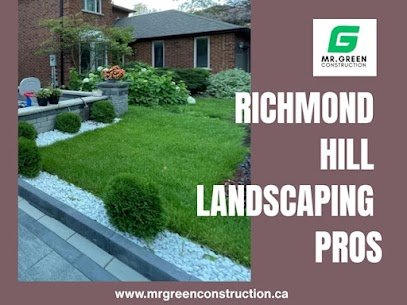
    Homeowners exploring landscaping in Richmond Hill or searching for the best landscapers near me often want more than standard lawn care. They are looking for outdoor spaces that feel beautiful, useful, and personal. Creative landscaping can completely transform how your property looks and functions. With the right design ideas and professional guidance, your yard can become an inviting extension of your home that thrives through every season.

    The Beauty of Landscaping in Richmond Hill

    Richmond Hill offers a unique blend of scenic surroundings and diverse property types. From modern townhomes to family estates, each yard has the potential to be something special. The area’s four distinct seasons also make landscaping a rewarding challenge. Thoughtful design ensures your outdoor space looks lively in spring, cool and green in summer, colorful in fall, and structured in winter.

    When you plan your landscaping in Richmond Hill, think beyond planting trees and grass. Consider how textures, colors, and shapes can create a balanced visual story. It is about combining living elements like plants and lawns with hard surfaces such as stone, wood, and lighting to form a space that feels connected and complete.

    Why Professional Landscaping Makes a Difference

    While homeowners can handle simple gardening tasks, professional landscaping takes your yard to another level. Working with experts ensures that the design not only looks appealing but also works with the local climate and soil.

    Here are a few reasons why professional input matters:

    1. Local Knowledge:
      Skilled landscapers understand Richmond Hill’s soil composition, plant varieties, and changing weather conditions. They select plants and materials that perform well in the area.
    2. Design Harmony:
      Professionals know how to match landscaping styles with home architecture. They balance size, shape, and proportion so that each feature fits naturally within your property.
    3. Efficient Planning:
      A landscaper can create detailed plans that maximize space and ensure smooth traffic flow. This approach avoids common issues such as poor drainage or overcrowded planting beds.
    4. Increased Property Value:
      Well-planned landscapes add measurable value to your property. Curb appeal improves, and the space becomes more functional for everyday living.

    If you are comparing the best landscapers near me, look for teams that combine design creativity, technical skill, and reliable project management.

    Creative Ideas to Bring Your Landscape to Life

    Below are several thoughtful ideas to make your outdoor space beautiful and enjoyable year-round.

    1. Design with Purpose:

    Every yard should have clear zones. Think about how you will use your space and divide it into areas for dining, relaxation, play, or gardening. Pathways, planters, or low garden walls can separate spaces while keeping the design open and cohesive.

    2. Blend Textures and Materials:

    Use a mix of stone, wood, and greenery for natural contrast. For example, pairing interlock pathways with cedar fencing and soft turf can create a clean yet welcoming look.

    3. Layer Your Planting:

    Create depth by layering plants of different heights. Trees and shrubs in the background, mid-height flowering plants in the center, and low ground covers in front produce a balanced appearance that feels lush and full.

    4. Add a Water Feature:

    A small fountain or pond brings calm movement to your yard. The sound of flowing water masks nearby street noise and adds tranquility to the environment.

    5. Use Lighting Strategically:

    Lighting brings your landscape to life after sunset. Highlight trees, architectural elements, or stone pathways with soft LED fixtures. Warm lighting makes your yard feel safe and inviting in the evening.

    6. Include Functional Stonework:

    Retaining walls, garden steps, and patios built from natural stone or interlock create structure and lasting appeal. They also help manage uneven ground and prevent erosion.

    7. Plan for All Seasons:

    Choose a mix of plants that thrive in different times of the year. Flowering perennials in spring, evergreens in winter, and colorful foliage in fall keep your yard looking dynamic throughout the year.

    Common Questions Homeowners Ask

    Q1. What should I know before starting landscaping in Richmond Hill?
    Ans 1: Begin with a clear vision of how you want to use your outdoor space. Consider your soil type, sunlight exposure, and budget. Professional landscapers can help you plan layouts that fit your lifestyle and property size.

    Q2. How can I find the best landscapers near me?
    Ans 2: Check for local experience, client reviews, and portfolios of completed projects. The best landscapers combine creative design with durable workmanship and understand local environmental factors.

    Q3. How can I make my landscaping low-maintenance?
    Ans 3: Select native plants that require less water, install efficient irrigation systems, and design simple layouts with fewer tight corners. Mulching also helps retain moisture and reduce weeds.

    Q4. What design trends work well in Richmond Hill?
    Ans 4: Modern minimalism with natural stone and wooden accents is popular. Blending native plants with sustainable materials gives a timeless and eco-friendly look.

    Q5. When is the best time to start landscaping projects?
    Ans 5: Spring and early fall are ideal since mild temperatures allow plants to establish strong roots. However, certain hardscape projects like patios or retaining walls can be built almost any time of the year.

    Sustainable Landscaping for Modern Homes

    More homeowners in Richmond Hill are adopting sustainable landscaping practices that protect the environment while keeping yards vibrant. Sustainable designs use local plants, manage water efficiently, and minimize long-term maintenance.

    Here are some easy ways to make your landscape eco-friendly:

    • Choose Native Plants:
      Native species adapt naturally to local soil and climate, reducing the need for frequent watering or fertilizing.
    • Install Permeable Surfaces:
      Interlocking pavers or gravel paths allow rainwater to seep into the ground, preventing puddles and runoff.
    • Use Smart Irrigation:
      Automated watering systems save water by adjusting to soil moisture and weather conditions.
    • Compost Yard Waste:
      Turning clippings and leaves into compost provides organic nutrients for your soil, reducing the need for chemical fertilizers.

    These small choices make your landscape healthier and more sustainable for years to come.

    Creating Comfort through Outdoor Living Spaces

    Landscaping is not only about plants and stones. It is about creating spaces where you can live, relax, and connect with nature. Outdoor kitchens, decks, or fire features can turn your backyard into a true living area.

    For example, a stone patio with a built-in fire pit becomes a cozy gathering space in cooler evenings. Adding a pergola or shaded structure creates comfort during sunny summer days. When planned carefully, these features blend seamlessly with your home’s design and surroundings.

    The Value of Long-Term Maintenance

    Once your new landscape is installed, consistent care ensures it continues to look beautiful. Regular maintenance preserves both structure and health.

    • Seasonal Cleanups remove fallen leaves and prepare plants for winter.
    • Fertilization and Aeration strengthen grass roots and encourage growth.
    • Tree and Shrub Pruning maintains healthy shapes and prevents overgrowth.
    • Pest and Weed Checks keep your garden clean and thriving.

    Professional landscapers like Mr Green Construction offer maintenance plans that ensure every part of your landscape stays in top shape year after year.

    Bringing It All Together

    Creative landscaping blends design, sustainability, and comfort. It enhances property value and turns an ordinary yard into a peaceful retreat. Homeowners who invest in landscaping in Richmond Hill gain more than beauty. They create outdoor environments that enrich daily life and connect seamlessly with nature.

    If you are searching for the best landscapers near you, it helps to work with professionals who understand your local soil, climate, and style preferences. The right team can guide you from concept to completion, ensuring every detail aligns with your vision.

    Partner with Mr Green Construction

    At Mr Green Construction, we specialize in creating outdoor spaces that are as practical as they are beautiful. Our services include landscape design, retaining walls, interlock driveways, patios, and full outdoor construction projects across Richmond Hill.

    We combine creativity with craftsmanship, using high-quality materials suited for Ontario’s climate. From concept design to installation and maintenance, our team focuses on lasting results and client satisfaction. If you are ready to reimagine your yard, contact Mr Green Construction today. We will help you plan and build a landscape that feels timeless, functional, and uniquely yours.

  • How to Pick Healthy Sod for Your Lawn

    How to Pick Healthy Sod for Your Lawn

    Summary:
    If you are searching online for where can I purchase sod near me or comparing options for sod for sale near you, it is clear that you want a beautiful, green lawn that looks healthy from day one. Fresh, high-quality sod is the foundation of any successful landscaping project, but knowing how to choose the right type can make all the difference in how your lawn grows and lasts. In this blog, we will explore how to identify healthy sod, what to look for before purchasing, and how to make your new lawn thrive with the right preparation and care.

    Why Choosing Healthy Sod Matters

    Sod is more than just grass. It is a living product made of turf and roots that have been cultivated for months. Healthy sod establishes quickly, resists disease, and delivers a uniform, vibrant look to your yard. Poor-quality sod, on the other hand, can lead to patchy growth, uneven color, and wasted investment.

    When you invest in sod, you are investing in the long-term health of your lawn. That is why it is important to take time to understand what defines quality and how to spot warning signs before you buy.

    Signs of Healthy, High-Quality Sod

    1. Vibrant Green Color:
      The first and most obvious sign of healthy sod is a consistent, rich green color. Avoid sod that looks dull, yellowish, or has brown patches. A uniform color indicates that the sod has been watered, fertilized, and cared for properly before harvesting.
    2. Strong, Dense Roots:
      Lift the edge of a sod roll and inspect the roots. Healthy sod will have a thick, fibrous root system that holds the soil firmly together. Weak or sparse roots may signal poor growing conditions or over-harvesting.
    3. Moist Soil Base:
      The soil at the base of the sod should be moist but not muddy. Dry or crumbly soil may mean the sod has been sitting out too long, while overly wet soil can make it difficult to handle and install.
    4. Even Thickness:
      Consistency is key. Each piece of sod should be about one inch thick and evenly cut. Uneven sod can cause gaps or raised edges that make the lawn look patchy after installation.
    5. No Signs of Weeds or Pests:
      Inspect the sod closely for weeds, insects, or disease. A clean, pest-free sod roll ensures you are not introducing problems into your new lawn.

    Preparing Your Yard Before Laying Sod

    Even the best sod can struggle if the soil beneath it is not prepared properly. Here are essential steps to get your yard ready:

    1. Test Your Soil:
      Check the soil pH and nutrient levels. Most grass types thrive in slightly acidic to neutral soil. If the soil is too compacted or low in nutrients, add organic matter or topsoil before installation.
    2. Remove Debris and Old Grass:
      Clear rocks, weeds, and any remnants of old turf. A clean surface helps the sod make contact with the soil, which speeds up root establishment.
    3. Level and Grade the Area:
      Smooth out uneven surfaces to ensure proper drainage. Standing water can damage new sod and encourage disease.
    4. Lightly Water Before Installation:
      Moisture helps roots settle in quickly. Water the soil lightly a few hours before laying the sod.

    Smart Questions Homeowners Often Ask

    Q1. How do I know where to buy quality sod near you?

    Ans1: Search for reputable local suppliers by checking reviews, photos of recent projects, and professional recommendations. If you are wondering where I can purchase sod near you, look for a company that cuts and delivers fresh sod the same day. Mr Green Construction sources high-quality sod suitable for Richmond Hill’s climate.

    Q2. What should I avoid when choosing sod for sale near you?

    Ans2: Avoid sod that looks dry, thin, or faded in color. Also, stay away from rolls that fall apart easily, as this can indicate weak roots. Healthy sod should hold together firmly when lifted.

    Q3. How long can sod stay rolled before its installed?

    Ans3: Sod should ideally be installed within 24 hours of delivery. The longer it sits rolled up, the more likely it is to dry out and lose quality.

    Q4. Can sod be installed in any season?

    Ans4: Spring and early fall are the best seasons for installation because the mild weather helps roots establish quickly. Summer installations require more frequent watering to prevent stress.

    Q5. How do I care for sod right after installation?

    Ans5: Water immediately after installation and keep the surface consistently moist for the first two weeks. Avoid heavy foot traffic until the sod is fully rooted.

    How to Match Sod Type with Your Property

    Not all sod is the same. Each type has its own strengths depending on sunlight, soil conditions, and intended use.

    • Kentucky Bluegrass: Known for its lush color and fine texture. Ideal for cool climates like Ontario.
    • Fescue Blends: Perfect for shaded lawns and areas with less sunlight.
    • Perennial Ryegrass: Grows quickly and withstands heavy use, making it great for family yards.

    Discuss your property’s conditions with a local landscaping expert. They can help you choose a sod type that fits your yard’s exposure, soil quality, and maintenance preferences.

    Installation Tips for a Smooth Start

    1. Lay Sod in Straight Lines:
      Start along a straight edge, such as a driveway or patio. Lay the sod tightly together, staggering seams in a brick-like pattern to avoid visible lines.
    2. Press Down Edges:
      Use a roller or gently step on the sod to ensure good contact with the soil below. This helps prevent air pockets and supports root bonding.
    3. Water Immediately After Laying:
      Water each section as you go. The sod should be moist but not flooded. Consistent watering is crucial for the first two weeks.
    4. Avoid Mowing Too Soon:
      Wait until the sod is well-rooted before mowing—typically two to three weeks. Set the mower to a higher blade height during the first cut.

    The Importance of Local Expertise

    Buying sod from a nearby supplier ensures you get grass grown in similar soil and weather conditions. When you type sod for sale near you into your search bar, you are not just looking for convenience; you are looking for compatibility. Locally sourced sod adapts faster, requires less maintenance, and lasts longer.

    Working with a trusted local company like Mr Green Construction gives you access to both premium sod and experienced professionals who understand Richmond Hill’s landscape needs. Their team can recommend the right sod variety, handle installation, and provide long-term maintenance guidance.

    Sustainability and Long-Term Lawn Health

    Healthy sod not only improves curb appeal but also supports the environment. A well-established lawn absorbs carbon dioxide, reduces dust, and cools the air around your home. Choosing locally grown sod also minimizes transportation emissions and supports community-based suppliers.

    To keep your sod sustainable and long-lasting:

    • Use organic fertilizers instead of harsh chemicals.
    • Mow regularly, but avoid cutting more than one-third of the grass height at once.
    • Water deeply but less frequently after the first month to encourage deeper root growth.

    Maintenance Tips for Lasting Results

    After installation, proper care ensures your sod stays healthy and green all year.

    • Water Wisely: During the first two weeks, water daily in the morning. Once the sod is rooted, reduce watering to two or three times a week.
    • Fertilize Seasonally: Apply fertilizer during spring and fall for steady growth and color.
    • Control Weeds Early: A thick, healthy lawn naturally prevents weed growth, but occasional weeding keeps your lawn in perfect shape.
    • Aerate Annually: Aeration improves soil oxygen and water absorption, promoting long-term health.

    Bringing It All Together

    Healthy sod is the foundation of a lush and vibrant lawn. By learning what to look for, preparing the soil properly, and providing consistent care, you can achieve results that last for years. If you are comparing sod for sale near you or asking where can I purchase sod near you, remember that the quality of sod and the expertise of your installer make all the difference.

    Work with Mr Green Construction

    At Mr Green Construction, we take pride in helping homeowners create lawns that are as beautiful as they are durable. From sourcing premium sod to professional installation and aftercare, our team ensures that every yard we work on thrives. We understand Richmond Hill’s local climate and soil conditions, allowing us to recommend the right sod type for your property. Whether you need help selecting the right sod or want a full landscaping solution, Mr Green Construction can make your lawn transformation simple, reliable, and long-lasting. Contact us today to get started on a lawn that feels fresh, healthy, and built to last.

  • How Retaining Walls Enhance Your Landscape Design

    How Retaining Walls Enhance Your Landscape Design

    Summary:
    For homeowners considering landscaping in Richmond Hill, Ontario, few features make as much difference as retaining walls. These sturdy yet beautiful structures bring order, stability, and visual interest to outdoor spaces while helping manage slopes and prevent erosion. When thoughtfully designed, landscaping and retaining walls do more than improve functionality; they also elevate how your yard feels and flows. This guide explains how retaining walls can transform a property into a polished, practical, and lasting landscape.

    Understanding the Role of Retaining Walls

    A retaining wall is not just a divider between soil and open space. It’s an essential design element that defines how a yard looks and functions. By holding soil in place, managing water flow, and creating distinct levels, these walls give shape to your outdoor environment.

    In Richmond Hill, where many homes sit on uneven terrain or experience heavy seasonal rains, retaining walls are often both a practical need and a design opportunity. They protect gardens, lawns, and pathways from erosion while allowing homeowners to make use of areas that would otherwise be too steep or unstable.

    What makes retaining walls so appealing is their ability to serve multiple purposes. They bring structure, add beauty, and create space for seating, planting, or entertaining. Whether you are designing a small garden or a complete backyard retreat, retaining walls often form the foundation of a well-planned outdoor layout.

    Key Benefits of Adding Retaining Walls to Your Property

    1. Protection from Soil Erosion:
      Soil erosion is one of the most common issues in sloped landscapes. Retaining walls act as barriers that stabilize the ground and prevent soil displacement, keeping your yard healthy and intact even after heavy rainfall.
    2. Improved Water Drainage:
      A properly built retaining wall includes drainage channels that direct water away from your home and garden. This prevents flooding, standing water, and soil damage, creating a more sustainable landscape.
    3. Functional Space Creation:
      Steep slopes limit how much of your yard you can use. Retaining walls create flat, usable sections where you can build patios, gardens, or children’s play areas, turning difficult terrain into a functional extension of your home.
    4. Enhanced Property Aesthetics:
      Retaining walls add height, depth, and definition to your landscape. They can be finished in materials that match your home’s architecture, creating visual harmony and a more refined appearance.
    5. Higher Property Value:
      Well-designed retaining walls not only look impressive but also add long-term value. They signal good construction planning, durability, and aesthetic care—qualities buyers often notice.

    Common Homeowner Questions About Retaining Walls

    Q1. Do retaining walls really make a difference in landscaping?

    Ans1: Yes. Retaining walls play both a functional and visual role. They prevent erosion, manage drainage, and help organize your yard while contributing to its overall style.

    Q2. What is the best height for a residential retaining wall?

    Ans 2: Most residential retaining walls range from two to four feet high. For steeper slopes, engineers may recommend higher structures that require reinforcement and deeper foundations.

    Q3. Can retaining walls be customized to match my landscape?

    Ans 3: Absolutely. Retaining walls can be built with natural stone, brick, concrete, or interlocking blocks. Each material brings a unique texture and color that can complement your outdoor design.

    Q4. Do retaining walls need maintenance?

    Ans 4: Minimal maintenance is required. Occasional cleaning, inspecting for cracks, and keeping drainage outlets clear are enough to maintain their strength and appearance.

    Q5. How long do retaining walls last?

    Ans 5: When professionally designed and properly installed, retaining walls can last fifty years or longer. Using quality materials and correct drainage design extends their lifespan significantly.

    Choosing the Right Material for Your Retaining Wall

    The choice of material defines the wall’s personality. It can make a bold statement or blend softly with the surroundings.

    • Natural Stone brings a timeless look that fits both traditional gardens and modern homes. It’s strong, visually rich, and can last for decades.
    • Concrete Blocks offer clean lines and durability. They’re ideal for contemporary designs where uniform texture is preferred.
    • Brick creates a warm, classic look that pairs beautifully with older or heritage-style homes.
    • Treated Timber works well for rustic properties, though it requires regular care to prevent weather damage.

    When selecting materials, it’s wise to consider Richmond Hill’s climate. The freeze-thaw cycles can affect certain materials, so professional builders will recommend options that stay stable through seasonal changes.

    Design Ideas to Bring Your Landscape to Life

    A retaining wall doesn’t just serve a purpose; it can also be the most striking part of your outdoor space. Here are a few design ideas that merge practicality with creativity:

    1. Tiered Gardens:
      Multi-level retaining walls create space for flowers, shrubs, or herbs. This layered design adds visual interest and helps each plant receive the right amount of sunlight.
    2. Built-In Seating:
      You can design retaining walls with integrated benches around fire pits, patios, or gathering areas. This saves space and provides comfortable, permanent seating.
    3. Accent Lighting:
      Adding lighting along the wall highlights textures, improves nighttime safety, and creates a warm ambiance for outdoor entertaining.
    4. Water Features:
      Incorporating a small waterfall or fountain within a retaining wall adds a tranquil and luxurious element to your landscape.
    5. Mixed Finishes:
      Combining stone with wood or greenery between wall tiers makes the design feel organic and inviting.

    Sustainability Benefits of Retaining Walls

    Modern landscaping increasingly emphasizes sustainability, and retaining walls play an important role in eco-conscious design.

    • Erosion Control protects natural habitats by preventing soil runoff into local water systems.
    • Efficient Drainage reduces the need for extensive irrigation and helps conserve water.
    • Durable Construction means fewer replacements, less waste, and lower long-term impact.
    • Native Plant Support thrives along terraces created by walls, which encourages biodiversity and easier maintenance.

    By choosing materials sourced locally and designs that complement natural slopes, homeowners in Richmond Hill can build landscapes that are both beautiful and environmentally responsible.

    Why Professional Installation is Essential

    Retaining walls require precision, especially when handling soil pressure and water movement. A slight mistake in grading or drainage can cause a wall to fail over time. That’s why hiring experienced professionals is key.

    The team at Mr Green Construction understands the unique soil types, elevation patterns, and seasonal conditions of Richmond Hill. Their process starts with careful site evaluation and planning, ensuring that the final wall not only looks great but also performs as intended. Proper excavation, compaction, and the right base material create a strong foundation.

    In addition to technical expertise, professional installation ensures your wall meets local building codes and safety regulations. The result is a structure that remains stable and visually pleasing for many years.

    Maintenance Tips for Long-Lasting Results

    Once your retaining wall is built, keeping it in excellent condition is simple. Here are a few ways to maintain it effectively:

    • Inspect the wall once or twice a year for cracks or movement.
    • Keep the drainage outlets clear of debris or leaves.
    • Remove weeds or moss that may grow between stones.
    • Wash the surface gently with water to maintain its color and texture.
    • Apply sealants when recommended to protect against moisture and fading.

    With routine care, your retaining wall will continue to complement your landscape and remain structurally sound through every season.

    Bringing It All Together

    Retaining walls have the power to reshape how your yard looks and feels. They define spaces, protect the soil, and bring organization to uneven ground while adding an artistic touch to the design. Combined with the right layout, landscaping, and retaining walls can completely change how you enjoy your outdoor living area.

    For anyone considering landscaping in Richmond Hill, Ontario, retaining walls represent a perfect balance of beauty and practicality. Whether you prefer natural stone for a classic garden or concrete blocks for a sleek, modern style, the right choice will transform your property for years to come.

    Work with Mr Green Construction

    At Mr Green Construction, we specialize in designing and building outdoor spaces that last. Our expertise in retaining walls, patios, interlock pathways, and complete landscaping solutions helps homeowners bring their outdoor visions to life. Every project we handle is tailored to local conditions and built using durable, weather-resistant materials. If you are planning to enhance your yard or need advice on the best design for your property, reach out to Mr Green Construction. Our team offers creative planning, quality craftsmanship, and personalized service from start to finish. Together, we can turn your outdoor space into a landscape that looks beautiful, functions perfectly, and stands strong through every season.

  • Tree Trimming Richmond Hill Homeowners Can Trust

    Tree Trimming Richmond Hill Homeowners Can Trust

    Summary

    Healthy, well-shaped trees add life, structure, and shade to any property. However, without proper care, they can quickly become safety hazards or lose their natural beauty. Professional maintenance keeps your trees strong and vibrant while protecting your home and garden. Homeowners who invest in tree trimming services notice immediate improvements in both safety and appearance. For those seeking reliable Tree Trimming Richmond Hill experts, understanding the importance of seasonal care, proper techniques, and professional guidance is the first step toward maintaining a balanced and beautiful landscape.

    Why Tree Trimming Is So Important

    Trees are among the most valuable features of your outdoor space. They provide shade, clean the air, and improve property value. Yet, like any living thing, they require attention. Regular trimming helps them grow evenly, stay healthy, and avoid potential damage to nearby structures.

    Tree trimming services are not just about appearance. Trimming prevents branches from becoming too heavy or overextended. When left unchecked, they can break during storms, damaging roofs, vehicles, or power lines. A well-trimmed tree distributes its weight evenly and develops stronger branches that can withstand weather changes.

    Pruning also improves air circulation and sunlight penetration, which supports overall growth and helps prevent disease. A good trim can even encourage new flowering or fruit-bearing in certain tree species. In short, trimming is essential maintenance that benefits both safety and plant health.

    Signs Your Trees Need Trimming

    You don’t have to wait until a branch breaks to know your tree needs attention. These signs are clear indicators that trimming is overdue:

    1. Low-hanging branches that obstruct walkways or block driveways.
    2. Dead or brittle limbs that could fall at any time.
    3. Overgrown branches touching roofs or power lines.
    4. Unbalanced growth, where one side of the tree looks heavier.
    5. Dense canopies that block light from reaching grass or garden beds.
    6. Visible cracks or splits in large branches.

    If you notice one or more of these, it’s time to schedule a professional assessment. Proper trimming can prevent accidents and promote steady, healthy growth throughout the year.

    How Tree Trimming Improves Safety and Aesthetics

    Tree trimming contributes to more than curb appeal. It protects your home and family from potential hazards. Overextended branches pose risks during storms, especially in areas with high winds or heavy snow. Regular maintenance removes those risks before they turn into costly repairs.

    From a design perspective, trimming defines shape and proportion. Well-maintained trees complement landscaping features and frame the house beautifully. Whether you prefer a natural look or a more manicured layout, trimming creates balance and keeps everything looking intentional.

    Some trees also respond better to trimming at specific times of the year. Early spring or late winter often works best for most species since it allows wounds to heal before growth season begins. Working with professionals ensures timing and technique are both appropriate for the specific trees in your yard.

    The Right Way to Trim Trees

    Trimming is a skilled task that requires understanding where and how to cut. Too much trimming can weaken a tree, while trimming in the wrong places can lead to uneven growth.

    Professional arborists typically follow these key steps:

    1. Assessment: Evaluate the tree’s health, size, and surrounding environment.
    2. Removal of Deadwood: Clear away any damaged or diseased limbs to prevent decay.
    3. Shaping and Thinning: Focus on improving structure without removing too much foliage.
    4. Safety Clearance: Ensure branches don’t interfere with roofs, fences, or power lines.
    5. Final Inspection: Review for symmetry, stability, and proper distribution of weight.

    These careful steps ensure trees remain healthy while reducing the risk of accidents or structural imbalance.

    Benefits of Professional Tree Trimming Services

    Hiring professionals brings long-term advantages that go beyond a clean appearance.

    1. Improved Health: Professionals identify diseases or infestations early and remove infected sections.
    2. Longevity: Regular trimming extends the lifespan of trees by encouraging healthy regrowth.
    3. Stronger Branches: Proper cuts guide the tree to grow evenly and withstand storms better.
    4. Better Sunlight Distribution: Trimming allows light to reach all parts of the tree and nearby plants.
    5. Increased Property Value: A well-maintained yard contributes to a strong first impression.
    6. Time Savings: Professionals handle heavy equipment safely and efficiently.

    In short, expert trimming maintains both safety and aesthetics without risking the tree’s long-term health.

    Choosing a Reliable Tree Trimming Company

    Selecting the right team matters. A professional service should have the skills, equipment, and safety standards needed for any type of trimming work. When comparing options, keep these points in mind:

    • Training and Certification: Certified arborists understand how different species react to trimming.
    • Proper Insurance: Always confirm that the company carries insurance for worker and property protection.
    • Transparent Pricing: Estimates should be clear and based on the job’s complexity, not vague hourly rates.
    • Safety Standards: A reliable crew uses proper harnesses, ladders, and pruning tools.
    • Local Knowledge: Companies familiar with regional tree types and climate patterns deliver better results.

    Mr. Green Construction follows all these best practices to ensure every tree trimming project is handled safely and efficiently.

    Common Mistakes to Avoid When Trimming Trees

    While trimming may look straightforward, it is easy to make mistakes that affect a tree’s long-term health. Avoiding these errors helps maintain strong and attractive trees:

    • Topping: Cutting large branches from the top of a tree may stunt growth and cause decay.
    • Cutting Too Close to the Trunk: This damages healing tissue and leaves the tree vulnerable to infection.
    • Over-Trimming: Removing too much foliage limits the tree’s ability to produce nutrients through photosynthesis.
    • Using Dull Tools: Jagged cuts take longer to heal and increase the risk of disease.
    • Ignoring Timing: Pruning at the wrong time can disrupt blooming or slow regrowth.

    A skilled team knows how to avoid these issues, ensuring the trees stay balanced and vibrant throughout every season.

    Simple Tree Care Tips for Homeowners

    Even between professional visits, small steps can help keep your trees in good shape.

    1. Water deeply, especially during dry months, to encourage strong root systems.
    2. Mulch around the base to retain moisture and prevent weed competition.
    3. Avoid piling soil or mulch directly against the trunk, which can lead to rot.
    4. Watch for signs of disease such as discolored leaves or unusual insects.
    5. Schedule seasonal inspections to catch problems before they worsen.

    These habits help your trees stay strong and resilient year after year.

    Frequently Asked Questions

    Q1. How often should trees be trimmed?
    A1. Most mature trees benefit from trimming every two to three years. Younger trees may need annual shaping to establish a stable structure.

    Q2. Is there a specific season for tree trimming?
    A2. Late winter or early spring is ideal for most species. However, dead or hazardous branches should be removed anytime for safety.

    Q3. Can trimming help prevent storm damage?
    A3. Yes. Removing weak or overextended branches reduces the risk of breakage during high winds or heavy snow.

    Q4. Will trimming affect blooming or fruit production?
    A4. When done correctly, trimming encourages healthier flowering and fruiting by directing energy to strong, productive branches.

    Q5. Can I trim my own trees?
    A5. Small branches can be managed safely, but large trees or high branches require professional tools and expertise to prevent injury or damage.

    Tree Trimming That Protects and Beautifies Your Property

    Regular trimming keeps your trees healthy, your yard safe, and your home looking well cared for. It’s an essential part of maintaining a property that feels inviting and natural. A professional team can manage the balance between beauty and safety while respecting the natural growth of your trees.

    For homeowners looking for dependable Tree Trimming services in Richmond Hill, Mr. Green Construction provides careful, detailed trimming tailored to your property’s needs. Our team prioritizes health, structure, and aesthetics, using proven methods that keep your trees thriving. We help homeowners create outdoor spaces that grow stronger and look better with time. Reach out to Mr. Green Construction to schedule your next trimming service and keep your landscape safe, balanced, and naturally beautiful throughout the year.

  • Building Strong Gardens with Interlocking Wall Blocks

    Building Strong Gardens with Interlocking Wall Blocks

    Summary

    A well-built garden is more than plants and soil; it’s a balance of structure, design, and stability. Whether you want to prevent erosion, shape your landscape, or add height and texture, retaining walls are essential. Many homeowners choose interlocking retaining wall blocks for their durability and versatility. They lock together without the need for mortar, creating strong walls that last for years. For anyone planning an outdoor makeover or searching for cheap interlocking retaining wall blocks, understanding design choices, installation techniques, and material options is the key to building a garden that is both beautiful and resilient.

    Why Retaining Walls Matter in Garden Design

    Retaining walls do much more than hold soil in place. They define spaces, improve drainage, and bring visual interest to otherwise flat yards. When built properly, these walls create layers that make small gardens appear larger and help prevent soil erosion during heavy rainfall.

    Interlocking retaining wall blocks are one of the most practical solutions for homeowners who want structure without sacrificing style. These blocks are designed to fit together like puzzle pieces, offering both strength and flexibility. They come in a range of sizes, colors, and textures, allowing you to match the design to your home’s architecture or surrounding landscape.

    The interlocking system also makes installation faster and cleaner than traditional masonry. There’s no need for mortar, and each block contributes to the wall’s stability through its own weight and shape. This makes them ideal for creating garden borders, raised beds, terraces, or decorative seating walls.

    How Interlocking Wall Blocks Work

    Each block in an interlocking system has a unique lip or groove that helps it lock securely into place with the blocks above and below it. This connection distributes pressure evenly, reducing stress on the structure and making it more resistant to shifting or cracking.

    The system relies on three main components:

    1. Base Preparation: The foundation must be level and compacted properly. A solid base determines how well the wall will hold over time.
    2. Drainage Management: Gravel and perforated pipes behind the wall help water escape, reducing pressure buildup.
    3. Block Alignment: Proper stacking and alignment ensure the wall stays straight and uniform.

    When each layer is carefully placed, the wall becomes both strong and visually clean. The result is a structure that supports the landscape while blending seamlessly into the garden design.

    Top Benefits of Using Interlocking Wall Blocks

    1. Long-Lasting Strength

    The primary benefit is durability. Because the blocks interlock, they resist shifting caused by soil pressure or seasonal freeze and thaw cycles.

    2. Versatile Design

    From curved garden edges to tiered walls, interlocking blocks adapt to any shape or layout. This flexibility allows creative freedom while maintaining structural stability.

    3. Low Maintenance

    Once installed, interlocking walls require minimal upkeep. They resist cracks, weathering, and pests far better than timber or poured concrete walls.

    4. Improved Drainage

    Gaps and joints between the blocks naturally allow water to pass through, preventing buildup that could weaken the wall.

    5. Cost-Effective Installation

    Because these walls don’t require mortar or heavy machinery, they often cost less to install while providing long-term value.

    6. Aesthetic Appeal

    With multiple colors, textures, and finishes available, interlocking walls complement every style—from rustic gardens to modern outdoor living areas.

    Planning Your Garden Layout

    Before building, it’s important to have a clear idea of how your garden will look. A well-planned layout ensures the wall not only functions effectively but also adds to the overall visual balance of your space.

    1. Identify Slopes and Problem Areas: Start by assessing which parts of your yard need structural support.
    2. Decide on Height and Shape: Low retaining walls are ideal for garden borders, while taller ones help manage elevation changes.
    3. Incorporate Seating or Planting Areas: Adding built-in seating or planter spaces creates both utility and charm.
    4. Blend with Natural Features: Use materials and colors that match the environment for a cohesive look.

    This planning phase sets the foundation for a durable and visually appealing project.

    Installation Tips for Homeowners

    While professionals handle larger projects, smaller garden walls can be a satisfying DIY project with the right preparation. Here’s what to keep in mind:

    • Excavate Carefully: Dig deep enough for a solid gravel base that can handle weight and water flow.
    • Level Each Row: Precision is key. Small misalignments early on can cause issues as the wall grows taller.
    • Add Drainage: A layer of crushed gravel and perforated pipe behind the wall helps release pressure from trapped water.
    • Backfill Properly: Fill behind each layer with gravel for stability. Avoid using only soil, which can expand when wet.
    • Cap the Wall: Use matching capstones on top for a clean, finished appearance.

    If your wall exceeds three feet in height, it’s best to hire professionals who understand soil pressure and building regulations.

    Design Ideas for Garden Walls

    Retaining walls don’t have to look industrial or plain. With interlocking blocks, they can become a design statement.

    • Tiered Gardens: Multiple short walls stacked at different heights create beautiful levels for flowers and shrubs.
    • Raised Flower Beds: Smaller walls define planting areas and improve drainage for delicate plants.
    • Built-In Seating: Flat-topped walls around patios double as benches, saving space and adding function.
    • Curved Pathways: Gentle curves built from interlocking blocks give a natural, flowing appearance.
    • Accent Lighting: Adding soft lights between layers or along the top caps turns walls into stunning nighttime features.

    These creative touches make your outdoor space both practical and personal.

    Maintenance and Longevity

    Once built, interlocking walls require little maintenance, but a few regular checks keep them in top condition:

    • Remove weeds that grow between blocks.
    • Check for any settling and fill gaps if needed.
    • Keep drainage channels clear of debris.
    • Rinse off dirt or stains with mild soap and water.

    A well-built and maintained wall can last for decades, making it one of the best investments for your property’s outdoor appeal.

    Frequently Asked Questions

    Q1. How long do interlocking retaining wall blocks last?
    A1. With proper installation and care, they can last 50 years or more. Their strength depends on base preparation and drainage.

    Q2. Are interlocking walls suitable for all soil types?
    A2. Yes, but sandy or loose soil may need reinforcement through compacting and gravel backfill for added support.

    Q3. Can interlocking walls be built on a slope?
    A3. Absolutely. They’re ideal for sloped yards where soil movement or erosion is common.

    Q4. Do I need a professional to install them?
    A4. Smaller walls under three feet can be a DIY project, but anything taller should be handled by professionals to meet safety standards.

    Q5. How do I choose the right block style?
    A5. Choose blocks that match your home’s exterior and garden design. Most suppliers offer samples to compare textures and colors before purchasing.

    Strong Gardens Start with Smart Planning

    A great garden design combines practicality with beauty. Retaining walls bring order to the landscape, allowing you to create usable spaces and prevent erosion naturally. They frame gardens, define walkways, and add structure without feeling heavy or overbuilt.

    If you want lasting quality and visual appeal, interlocking retaining wall blocks provide the ideal balance between performance and design flexibility. Their modular construction ensures durability while giving your garden a polished finish that grows more charming over time.

    For homeowners looking for affordable options such as cheap interlocking retaining wall blocks, Mr. Green Construction offers professional guidance, top-quality materials, and dependable craftsmanship. Whether you’re planning a garden renovation or a full outdoor redesign, our team helps you choose the right products and build strong, beautiful walls that stand the test of time. Reach out to Mr. Green Construction today to discuss your outdoor goals and discover how the right retaining wall can transform your garden into a lasting feature of your home.