Author: nimanajafi97

  • Simple Ways to Highlight Your Outdoor Space

    Simple Ways to Highlight Your Outdoor Space

    Summary

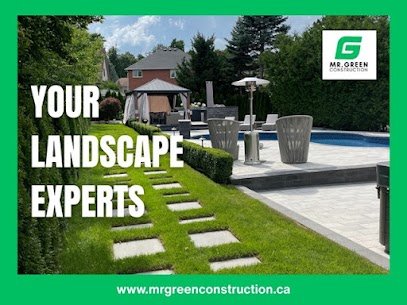
    A well-designed outdoor space is more than a backyard; it’s an area that reflects your lifestyle and brings daily comfort. Whether you want to entertain guests or enjoy peaceful evenings, a few thoughtful touches can make all the difference. Many homeowners discover that landscape lighting installation instantly improves both appearance and usability. Lighting creates warmth, safety, and balance while making outdoor areas inviting after sunset. For homeowners considering landscaping in Richmond Hill, Ontario, combining design, texture, and lighting is the key to building a space that looks beautiful and feels comfortable throughout the year.

    Lighting Sets the Tone

    Lighting is one of the simplest ways to transform your yard into a space that feels alive. It defines pathways, highlights architecture, and brings out the colors and shapes that often disappear after dark. The goal is not to make it bright everywhere but to guide attention in the right places.

    During landscape lighting installation, each fixture should serve a purpose. Path lights guide movement, spotlights draw focus to trees or walls, and accent lights make small details stand out. When planned correctly, these layers of light work together to shape how people move through the space and what they notice first.

    Subtle lighting along fences or garden edges also helps create a soft boundary, giving your yard a sense of depth. When used with warm tones, it makes patios and seating areas more inviting for evening gatherings.

    Think in Layers, Not Lines

    A common mistake in outdoor design is focusing on one element at a time instead of how everything connects. The best spaces blend structure, light, and greenery into one balanced view.

    Start with the basics. Hardscape, like patios, decks, and walkways, forms the foundation. Then add greenery for texture and contrast. Finally, lighting brings the entire setting together. When viewed at night, these layers make the yard feel three-dimensional and welcoming.

    Each zone can have its own lighting character. A dining area might need brighter, warmer lights, while a quiet garden corner benefits from soft, indirect light. The key is to think of light as part of the design, not an afterthought.

    Small Additions That Make a Big Difference

    You don’t always need major renovations to make your outdoor space stand out. Some simple upgrades can transform how it looks and functions.

    1. Pathway Lighting: Low garden lights keep walkways safe and visually pleasing.
    2. Tree Uplighting: Placing lights at the base of a tree draws the eye upward and creates striking silhouettes.
    3. Accent Fixtures: Spotlights can showcase garden sculptures, water features, or planters.
    4. String Lighting: Hanging soft lights across patios or pergolas adds charm and warmth.
    5. Water Reflections: Lights near ponds or fountains create gentle movement and reflection.

    These small improvements help define zones, guide guests naturally, and give your landscape a sense of intention without overwhelming the space.

    Textures and Materials That Add Depth

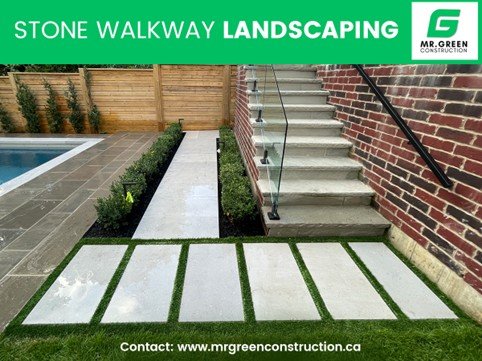
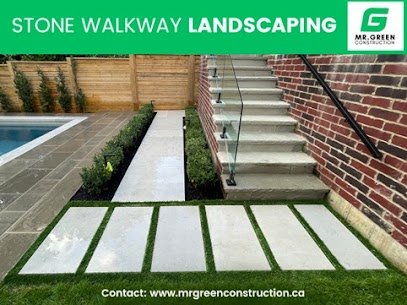
    Outdoor design is as much about texture as it is about layout. The right mix of materials can make your space feel complete. Stone pathways, wooden decks, and gravel borders each bring unique visual interest. Lighting plays an important role in revealing these textures after dark.

    Soft lighting on rough stone surfaces creates beautiful shadows. A warm glow on wooden planks highlights grain patterns and color variations. Even simple pavers or bricks can look sophisticated when lit at the right angle. These are details that make a space feel finished, not just functional.

    Functionality Is as Important as Style

    Outdoor design must serve a purpose beyond looks. A well-lit space improves safety, prevents tripping hazards, and allows people to move comfortably at night. It also deters unwanted pests and increases property security.

    Modern lighting systems can be both stylish and practical. LED fixtures use minimal energy and last for years. Smart lighting controls let you adjust brightness or set timers for convenience. Solar lights are another sustainable option that work well for pathways and garden edges.

    When planning your outdoor lighting, think about how you want to use your yard after dark. A comfortable level of brightness that supports relaxation is usually better than bright, direct light.

    Zoning for Balance and Flow

    Breaking your yard into zones helps create purpose. Each section should feel distinct but still part of a larger design.

    • Relaxation Zone: Use soft, warm lighting near seating areas for a calm mood.
    • Dining Zone: Add overhead lights or lanterns for comfort while eating outdoors.
    • Garden Zone: Gentle uplighting for plants and water features keeps the space natural and peaceful.

    This approach ensures your yard feels both organized and open. It also gives you flexibility to change the layout later without redoing the entire lighting system.

    What Homeowners Should Avoid

    Sometimes less is more. Over-lighting can wash out textures, create glare, and make the yard feel artificial. Avoid placing too many bright lights close together. Focus instead on balance and subtle contrast.

    Another common issue is using mismatched color tones. Combining warm and cool light in the same area often looks uneven. Stick to one color palette for consistency, preferably a warm tone that complements natural materials.

    Lastly, never ignore fixture placement. Always test how lights look at night before finalizing installation. Adjust angles, brightness, and coverage until the effect feels natural.

    Frequently Asked Questions

    Q1. How many lights do I need for a medium backyard?
    A1. Most mid-sized yards need about eight to twelve lights, depending on layout and design. The key is placement, not quantity.

    Q2. What type of bulbs work best outdoors?
    A2. LED bulbs are ideal because they last long, use less energy, and give consistent brightness in all weather conditions.

    Q3. Can I install landscape lighting myself?
    A3. Some small solar fixtures are simple to install, but wired systems or complex layouts are best handled by professionals to ensure safety and quality.

    Q4. How do I keep outdoor lighting looking good through winter?
    A4. Use weather-resistant fixtures and check wiring regularly. Clear away snow or debris and keep lenses clean for better light distribution.

    Q5. How can lighting improve property value?
    A5. Well-planned lighting increases curb appeal and creates a sense of security, which can make your home more attractive to buyers.

    A Note from Mr. Green Construction

    Your outdoor space should feel like a natural part of your home. The right combination of lighting, texture, and structure turns a simple yard into a comfortable retreat for family and friends. Whether you’re creating cozy seating areas or designing a garden path that comes alive at night, thoughtful details make all the difference.

    For homeowners interested in landscaping in Richmond Hill, Ontario, Mr. Green Construction specializes in transforming outdoor spaces through careful planning and skilled craftsmanship. From designing balanced layouts to installing precise lighting systems, every project is built around function, beauty, and long-term quality. If you’re ready to bring light, life, and character to your yard, our team is here to help you make that vision real.
  • Choosing the Right Lawn Service Company

    Choosing the Right Lawn Service Company

    Summary

    A beautiful lawn sets the tone for your entire property. It brings life to your outdoor space and creates a place where you can relax, entertain, and take pride in your home. But keeping it healthy requires consistent care and attention. Many homeowners search for lawn maintenance and landscaping services to help with mowing, trimming, and seasonal cleanups, but often don’t know what to look for in a reliable company. Selecting the right team makes all the difference. If you have ever looked online for lawn service companies near you, knowing what separates a good company from an average one can help you make a smarter decision and get lasting results.

    Why the Right Lawn Service Company Matters

    A well-kept lawn does more than look appealing. It also keeps the soil healthy, supports strong root systems, and creates a balanced outdoor environment. A neglected yard, on the other hand, quickly loses its color, becomes uneven, and invites weeds and pests. This is why choosing a trusted professional is important.

    A good company doesn’t just show up with a mower. It understands how each element in your landscape works together. Reliable lawn maintenance and landscaping professionals consider soil type, drainage, sunlight, and seasonal changes before creating a care plan. Their approach focuses on long-term health instead of temporary results.

    The difference becomes clear over time. A company that understands your property’s needs can transform an average yard into a clean, vibrant, and low-maintenance landscape.

    When to Consider Hiring Professionals

    Many homeowners start by maintaining their lawn themselves, which works for small areas. But once your property grows in size or your schedule gets busier, professional care becomes essential. You might need help if you notice any of these issues:

    1. The lawn looks patchy or uneven even after regular mowing.
    2. Weeds appear frequently, taking over open spaces.
    3. Water pools in some areas after it rains.
    4. You notice dry, thin grass in spots that get full sun.
    5. You do not have the time or tools to handle routine care.

    Hiring a professional team saves you time, improves consistency, and ensures your lawn gets the attention it needs all year round.

    What to Look for in a Lawn Service Company

    Choosing a company for your home should not be based on pricing alone. Reliable service combines knowledge, equipment, and communication. Here are key factors to keep in mind before making your choice.

    1. Range of Services Offered

    A good company offers complete lawn care, not just mowing. Look for services like aeration, fertilization, weed control, edging, and seasonal cleanups. Companies that also handle landscaping can coordinate planting, garden design, and hardscape maintenance, giving your property a cohesive look.

    2. Local Understanding

    Every region has different soil types and climate conditions. A company that works locally knows the best approach for your area. They understand when to water, how to manage weeds common in your region, and which plants thrive in your soil.

    3. Reputation and Reviews

    Check online reviews, social media pages, or local recommendations. Consistent positive feedback and repeat customers usually indicate reliability and professionalism.

    4. Tools and Equipment

    Well-maintained equipment ensures clean, precise results. Ask if the company uses commercial-grade tools and updates them regularly. This not only improves quality but also reduces the risk of damaging your lawn.

    5. Transparent Pricing

    Honest companies provide detailed estimates and explain exactly what is included in each service. Pricing should be clear, with no unexpected add-ons later.

    6. Licensed and Insured

    Always confirm that the company is properly licensed and insured. This protects you and your property from any potential damage or accidents.

    7. Communication and Reliability

    The best companies stay in touch. They show up on time, inform you about upcoming visits, and share updates on your lawn’s progress. Clear communication is often a strong sign of professionalism.

    Essential Lawn Care Services a Company Should Provide

    A professional company should be able to manage your entire outdoor space from start to finish. Some of the most important services include:

    1. Routine Lawn Mowing: Regular trimming keeps grass even and prevents overgrowth.
    2. Aeration: Helps air, water, and nutrients reach the roots more effectively.
    3. Fertilization: Supplies essential nutrients that keep the lawn healthy and green.
    4. Weed Control: Removes unwanted plants that compete for nutrients.
    5. Seasonal Cleanup: Keeps the yard clear of leaves and debris after each season.
    6. Edging and Trimming: Adds definition to walkways and garden borders.
    7. Landscape Design: Plans flower beds, shrubs, and pathways that match your property layout.

    These combined services help create a complete outdoor solution instead of temporary touch-ups.

    The Benefits of Working with Professionals

    Working with a reliable lawn care team offers more than just a clean yard. The benefits include:

    1. Consistent Maintenance: Scheduled visits ensure your lawn stays neat year-round.
    2. Healthier Soil and Roots: Professional care keeps the foundation of your lawn strong.
    3. Time Savings: You can enjoy your weekends instead of spending hours on yard work.
    4. Increased Property Value: A well-maintained lawn improves curb appeal and boosts resale value.
    5. Customized Care Plans: Professionals create programs that suit your property’s specific needs.

    These small improvements make a noticeable difference over time, both in appearance and in overall landscape health.

    Common Mistakes Homeowners Make in Lawn Care

    Even with good intentions, some mistakes can undo months of effort. Professionals help avoid these issues, but it is useful to know what they are:

    • Cutting grass too short, which weakens growth.
    • Watering too frequently or at the wrong time of day.
    • Ignoring soil pH balance and fertilizer timing.
    • Allowing weeds to grow for too long before removal.
    • Using incorrect tools that cause uneven trimming.

    Avoiding these mistakes helps your lawn grow evenly and remain healthy year after year.

    How Mr. Green Construction Approaches Lawn Care

    At Mr. Green Construction, lawn care is treated as a long-term partnership with homeowners. Every project begins with understanding the property’s layout, soil condition, and local weather. The goal is not only to improve how your lawn looks but also how it grows.

    The team focuses on sustainable methods that protect both your landscape and the environment. Each service, from mowing to full landscaping, is completed with care and precision. By combining skilled professionals with modern tools, Mr. Green Construction ensures every yard receives consistent, detailed attention.

    Whether you want regular lawn maintenance or a complete outdoor redesign, the company brings together creativity, craftsmanship, and reliability to deliver lasting results.

    Simple Tips to Maintain a Healthy Lawn Between Visits

    1. Water deeply twice a week instead of short daily watering.
    2. Leave some grass clippings after mowing to retain nutrients.
    3. Remove debris regularly to prevent soil compaction.
    4. Trim edges to maintain clean boundaries.
    5. Check for pests or bare patches every few weeks.
    6. Avoid walking over the same section repeatedly to protect roots.

    Following these small habits helps extend the life of your lawn care between professional visits.

    Questions Homeowners Often Ask

    Q1. How often should I schedule professional lawn maintenance?
    A1. Most lawns need professional attention every two to three weeks during the growing season. The frequency may vary depending on the size of your property and grass type.

    Q2. When is the best time to start lawn maintenance each year?
    A2. Early spring is usually the best time to begin. Starting early helps address winter damage and prepares the soil for new growth.

    Q3. What if my lawn has brown or patchy areas?
    A3. Brown patches may come from poor watering, pests, or soil compaction. A professional can identify the root cause and restore healthy growth.

    Q4. Can I handle lawn maintenance myself?
    A4. You can manage basic mowing, but consistent results require professional care. Experts know how to balance treatments, handle soil issues, and prevent long-term damage.

    Q5. How do I choose between different lawn care companies?
    A5. Compare service lists, local reviews, and communication style. Choose a company that offers complete lawn care, has transparent pricing, and understands your area’s climate.

    Bringing It All Together

    Choosing the right lawn service company is about more than convenience. It is about protecting your investment and creating a lasting impression. A well-cared-for lawn is a reflection of a well-cared-for home.

    If you have been searching for lawn service companies near you, Mr. Green Construction offers the skill, attention, and dependability needed to keep your outdoor space in its best shape. The team focuses on quality work, clear communication, and reliable service that homeowners can count on. From mowing and aeration to full landscaping design, every detail is managed with care and precision. Reach out to Mr. Green Construction to discuss your lawn goals and let the team create a plan that keeps your property looking fresh, healthy, and welcoming all year long.

  • Why Professional Tree Pruning Matters Most

    Why Professional Tree Pruning Matters Most

    Summary

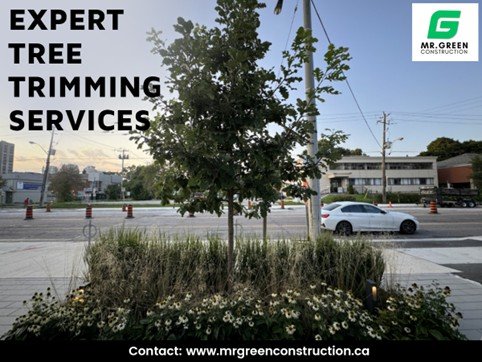
    Trees bring shade, beauty, and balance to any property, but keeping them healthy requires regular attention. Many homeowners searching for tree planting near you focus on adding greenery, but often overlook the importance of proper pruning. Tree pruning keeps trees strong, prevents hazards, and helps your outdoor space look clean and well-maintained. It is not just a task but an essential part of caring for your landscape. With the right professional approach, pruning supports healthy growth and keeps your trees thriving for decades.

    Why Tree Pruning Is Important

    Tree pruning is one of the most valuable practices for maintaining the health of your trees. It is more than simply cutting branches for appearance. Pruning removes weak, diseased, or overgrown limbs that can block light, limit air circulation, or create risks during heavy winds. When done correctly, pruning improves the strength, structure, and longevity of every tree on your property.

    If you have been researching tree planting near you, keep in mind that planting is only the first step. Trees need consistent maintenance as they grow. Regular pruning prevents problems such as overcrowding, poor structure, and early decay. A well-maintained tree will continue to grow evenly, stay strong, and look beautiful year after year.

    How Tree Pruning Benefits Your Landscape

    1. Promotes Long-Term Tree Health

    Pruning eliminates unhealthy or dead branches that can slow growth or allow disease to spread. This helps direct nutrients toward the healthiest parts of the tree, leading to strong, stable branches and a longer lifespan.

    2. Improves Safety Around Your Home

    Dead or overextended branches can become dangerous during strong winds or heavy snow. They can break suddenly and cause damage to cars, windows, or nearby structures. Pruning keeps branches under control and lowers the risk of accidents.

    3. Shapes the Trees Structure

    Proper pruning encourages balanced growth and prevents leaning or uneven development. For young trees, trimming at the right time helps establish a solid foundation that will support future growth.

    4. Increases Sunlight and Airflow

    When trees become too dense, they block sunlight from reaching the inner canopy or nearby plants. Pruning opens up the branches, allowing light and air to circulate freely. This creates a healthier environment for both the tree and the surrounding landscaping.

    5. Protects Other Plants and Features

    Overgrown trees can compete with surrounding plants for nutrients and space. By managing branch growth, you give all plants in your garden a fair chance to flourish. This balance keeps your yard looking neat and well-planned.

    6. Keeps the Property Looking Polished

    A well-shaped tree instantly improves the look of your property. Trees that are properly trimmed bring symmetry, order, and appeal to your landscape. They frame your yard beautifully and can increase the overall value of your home.

    7. Prevents Costly Damage

    Unchecked branches may rub against roofs or power lines, causing damage that could lead to expensive repairs. Regular pruning prevents these problems early and saves time and money in the long run.

    When Is the Best Time to Prune Trees

    Timing matters when it comes to pruning. Most trees respond best to trimming during late winter or early spring, before new growth starts. This gives the tree time to heal and recover before the growing season begins. However, if you notice broken or diseased branches, they should be removed immediately, regardless of the time of year.

    Trees that flower in spring may need a different schedule. For those, it is best to prune right after they bloom to avoid cutting off new buds. Working with a local professional ensures the right approach for each tree species and local climate.

    Why Professional Tree Pruning Makes a Difference

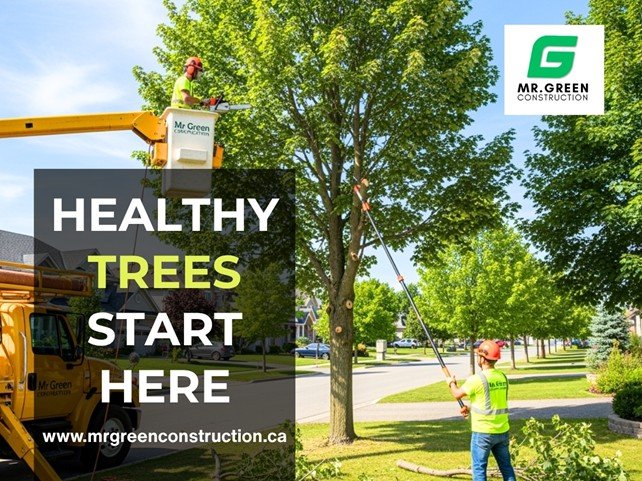
    It might seem easy to grab a pair of shears and start trimming, but pruning requires experience, understanding, and precision. Professionals know how trees respond to cuts, where to make them, and how much to remove without causing stress.

    They use proper tools and techniques that minimize the chance of tearing or exposing the tree to disease. They also know how to handle pruning at heights safely, something that can be risky for homeowners.

    Professional pruning ensures the tree’s structure remains strong and its appearance natural. Instead of focusing on quick results, experts aim for balance, safety, and long-term health.

    Simple Tree Care Tips for Homeowners

    Keeping trees healthy between pruning sessions helps maintain their strength and beauty. A few simple habits can make a big difference.

    1. Inspect trees regularly for cracks, decay, or broken branches.
    2. Water deeply during dry periods to keep roots strong.
    3. Use mulch to retain moisture and protect the base.
    4. Avoid cutting more than one-third of the branches at once.
    5. Apply fertilizers during the growing season when needed.
    6. Keep an eye out for pests or fungus and address them early.
    7. Schedule annual or seasonal checks with professionals for larger trees.

    These simple steps prevent damage and help maintain a consistent appearance across your landscape.

    Common Pruning Mistakes Homeowners Should Avoid

    Pruning may look simple, but the wrong cut can harm a tree permanently. Some common mistakes include:

    • Cutting too close to the trunk, which slows healing.
    • Removing too many branches at once.
    • Using dull or unsuitable tools.
    • Pruning during the wrong season.
    • Ignoring small signs of disease or decay.

    Avoiding these errors helps trees stay strong and recover faster. A professional arborist will always make clean, precise cuts and prune at the right time for optimal results.

    How Mr. Green Construction Handles Tree Pruning

    At Mr. Green Construction, every pruning project starts with understanding the tree itself. Our team assesses the species, condition, and location before deciding the best way to prune. The goal is not just to cut branches but to strengthen the tree while improving safety and appearance.

    We work with a balanced approach that maintains the tree’s natural form. Every cut is made carefully to protect future growth and ensure stability. Whether it is shaping young trees or managing mature ones, our focus is on promoting long-term health and sustainability.

    Our crew also follows local Richmond Hill guidelines and uses professional-grade equipment to deliver clean, reliable results. Homeowners appreciate that we combine expertise with respect for their property and time.

    What to Expect After a Pruning Session

    Once pruning is done, your trees will look cleaner and lighter, but the real benefits come over time. Within weeks, you may notice better light penetration, new branch growth, and improved airflow. As the seasons change, your yard will look more open, your plants will thrive, and your trees will appear healthier and more balanced.

    Pruning is not just maintenance—it is a preventive step that protects your entire landscape from future issues. It also makes everyday activities like mowing or gardening safer and more comfortable.

    Questions Homeowners Often Ask

    Q1. How often should trees be pruned?
    A1. Most trees should be pruned every two or three years. Younger trees may need shaping more frequently, while mature trees can go longer between sessions if they remain healthy.

    Q2. What season is ideal for pruning?
    A2. Late winter or early spring is usually the best time because trees are dormant and recover faster. Emergency pruning for safety or disease removal can be done anytime.

    Q3. Can pruning harm a tree?
    A3. Proper pruning never harms a tree. Damage occurs only when branches are cut incorrectly or too severely. That is why working with trained professionals is essential.

    Q4. How do I know if my tree needs pruning?
    A4. Look for dead or drooping branches, cracks in the trunk, or branches that hang over your roof. These are signs that your tree may need attention soon.

    Q5. Why should I hire professionals instead of doing it myself?
    A5. Professionals have the training, tools, and knowledge to prune safely and accurately. They know how each tree species responds to cuts, which ensures long-term health and prevents future problems.

    Bringing It All Together

    Tree pruning keeps your landscape safe, organized, and beautiful. It is one of the simplest ways to protect your property while improving the health of your trees. Consistent, well-planned pruning ensures your trees continue to grow evenly and stay strong through every season.

    For homeowners searching for a tree pruning service near you, Mr. Green Construction offers the skill, care, and local expertise needed to keep your trees in perfect condition. Our team combines thoughtful planning, quality workmanship, and reliable maintenance to create outdoor spaces that stay healthy and inviting all year. When you trust Mr. Green Construction, you invest in lasting quality and peace of mind. Reach out to our team to schedule your next pruning service and discover how professional care can make a visible difference in your property’s beauty and safety.

  • Professional Guide to SOD Installation Richmond Hill

    Professional Guide to SOD Installation Richmond Hill

    Summary

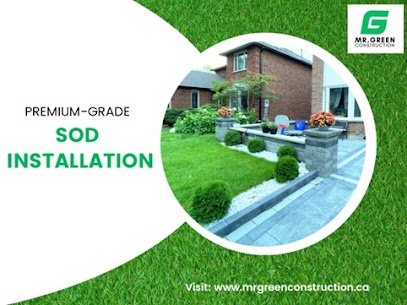
    A healthy lawn is the foundation of a beautiful property. For homeowners in Richmond Hill, the quickest way to achieve a thick, green yard is through professional sod installation. Many ask where they can purchase SOD near me, while others look for trusted contractors who understand the soil, grading, and climate of the region. This guide explores everything you need to know about preparing your yard, choosing the right sod, and making sure your investment lasts. With the right approach to SOD installation in Richmond Hill, your outdoor space can quickly become the lush landscape you’ve always wanted.

    Why Homeowners Choose Sod Instead of Seed

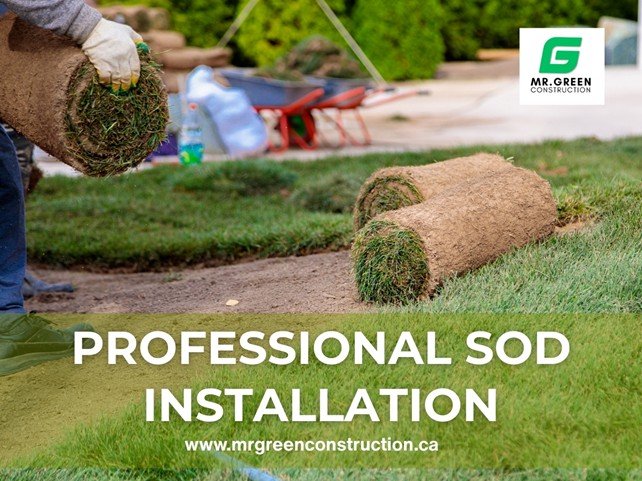
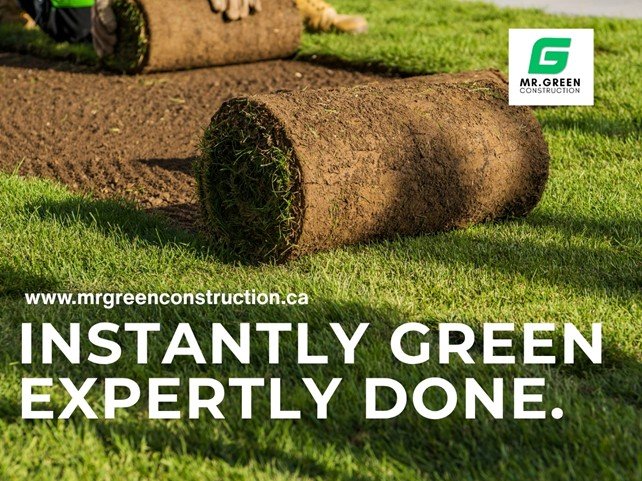
    While seeding is an option, sod has become the preferred choice for homeowners who want immediate results. Seed takes weeks to sprout and often struggles against weeds, pests, and weather conditions. Sod, on the other hand, arrives as mature grass that can transform a bare patch of dirt into a lush lawn in a single day.

    Benefits include:

    • Immediate curb appeal with an established green lawn.
    • Reduced erosion because sod roots hold soil in place.
    • Greater success in areas with slope or drainage issues.
    • Fewer weeds compared to starting from seed.
    • A more predictable outcome since sod is grown in controlled farms.

    For busy families or property owners who want quick, reliable results, sod offers both beauty and practicality.

    Where Can You Purchase SOD Near You?

    This is one of the first questions homeowners ask when they decide to install sod. Big box stores may carry SOD rolls during certain seasons, but quality and freshness often vary. Sod that has been sitting on pallets for days will not establish as well as freshly harvested rolls from a trusted supplier.

    Here’s what to look for when buying sod:

    • Freshness: Sod should be cut and delivered the same day it is installed.
    • Grass type: Make sure the variety is suited for Richmond Hill’s climate.
    • Supplier reputation: Work with companies that specialize in sod farming, not just general landscaping products.
    • Convenience: Many professional contractors source sod directly, saving you the time and effort of tracking it down.

    The most reliable option is to work with a local contractor who manages the sourcing for you. This ensures the sod is cut fresh, transported properly, and installed without delay.

    Preparing Your Yard Before Sod Installation

    Successful sod installation begins with preparation. Without proper groundwork, even the highest quality sod will struggle to take root.

    Steps to prepare your yard include:

    1. Clear the area –
      Remove any old grass, weeds, or debris. A clean base prevents competition for nutrients.
    2. Test and amend the soil –
      Check the pH and nutrient levels. In Richmond Hill, clay-heavy soils often require organic matter or sand for better drainage.
    3. Grade the yard –
      Ensure the slope directs water away from the foundation of your home. Proper grading prevents pooling and root damage.
    4. Install irrigation if needed –
      A sprinkler system or hose setup makes it easier to water sod during the crucial early weeks.
    5. Lay a nutrient base –
      Adding a starter fertilizer provides essential nutrients for root growth.

    Laying the Sod the Right Way

    Once the ground is ready, timing and technique matter. Sod should be installed immediately after delivery to prevent drying out.

    Best practices for laying sod include:

    • Start along straight edges such as driveways or sidewalks to keep the rows aligned.
    • Stagger the seams in a brick-like pattern to avoid visible lines.
    • Press edges tightly together so no gaps remain between rolls.
    • Use a sod roller to eliminate air pockets and ensure good root-to-soil contact.
    • Water immediately after installation so the sod can begin bonding with the soil.

    Caring for Sod After Installation

    The work does not stop once sod is rolled out. Proper aftercare ensures the grass roots establish fully.

    1. Watering schedule –
      1. First two weeks: water daily so the soil remains consistently moist.
      1. Weeks three to four: Reduce watering to every other day.
      1. After the first month, water deeply two to three times per week.
    2. First mowing –
      Wait until the grass reaches about three inches in height before mowing. Make sure mower blades are sharp to avoid tearing.
    3. Fertilization –
      Apply fertilizer after three to four weeks to strengthen the root system.
    4. Traffic control –
      Avoid heavy foot traffic on new sod for at least three weeks.
    5. Weed control –
      Do not use herbicides until the sod is fully established, typically after two months.

    Common Mistakes to Avoid

    Even high-quality sod can fail if mistakes are made during installation or aftercare. Some common errors include:

    • Leaving gaps between rolls that dry out and create brown patches.
    • Overlapping sod pieces, which leads to uneven growth.
    • Allowing sod to sit too long before installation causes it to dry and die.
    • Watering too little in the first two weeks prevents root establishment.
    • Cutting the grass too short during the first mowing.

    Avoiding these mistakes will protect your investment and ensure long-term results.

    Why Hire Professionals Instead of DIY

    While some homeowners attempt sod installation themselves, professional services offer clear advantages.

    • Expert assessment of soil and grading conditions.
    • Access to fresh sod from trusted suppliers.
    • Proper equipment including rollers and cutting tools.
    • Efficient installation that saves time and prevents costly mistakes.
    • Guidance on aftercare tailored to your property’s unique conditions.

    In Richmond Hill, working with a local contractor like Mr Green Construction ensures that your sod is not only installed correctly but also supported by long-term knowledge of the climate and soil.

    Long-Term Benefits of Sod Installation

    Sod is more than a quick fix. It brings long-term advantages that improve both property value and daily living.

    • Immediate curb appeal that makes your home more inviting.
    • Increased property value for future resale.
    • Cleaner air as sod filters dust and produces oxygen.
    • Lower temperatures around your home by reducing heat reflection.
    • Better erosion control that protects soil and landscaping.

    With the right care, a sod lawn can remain vibrant and healthy for decades.

    Questions Homeowners Often Ask

    Q1. How soon can I walk on new sod?
    Light foot traffic is fine after two weeks, but heavy use should be avoided until the sod is well established.

    Q2. Can sod be installed at any time of year?
    Sod can be laid in spring, summer, or fall. The key is consistent watering during the establishment period.

    Q3. How do I know if my soil is ready for sod?
    The soil should be loose, level, and free of debris. A soil test helps determine if amendments are needed.

    Q4. What type of grass works best in Richmond Hill?
    Cool-season grasses such as Kentucky bluegrass and fescue varieties tend to perform best in this region.

    Q5. Is it cheaper to seed instead of using sod?
    Seeding costs less upfront but requires more maintenance, has higher failure rates, and takes much longer to establish. Sod provides immediate results and long-term value.

    A well-installed sod lawn can completely transform a property. From preventing erosion to providing an instant green landscape, sod is a smart choice for homeowners who want both function and beauty. The key lies in proper preparation, correct installation, and careful aftercare. If you are considering SOD installation in Richmond Hill, working with professionals makes all the difference. At Mr Green Construction, we source fresh sod, prepare the soil properly, and handle every step with care. Our team ensures your new lawn not only looks great on day one but also thrives for years to come. Call us today to learn more about our sod installation services and take the first step toward a healthier, greener yard.

  • Garden Wall Retaining Solutions for Sloped Yards

    Garden Wall Retaining Solutions for Sloped Yards

    Summary

    A sloped yard may look beautiful at first glance, but it often comes with challenges. Soil erosion, poor drainage, and wasted outdoor space are just a few of the problems homeowners face. Building the right retaining wall is a practical way to solve these issues while also creating usable areas for gardening, patios, and pathways. Affordable choices such as cheap interlocking retaining wall blocks make it possible to design strong, functional walls without going over budget. A carefully planned garden wall retaining system can transform uneven ground into a secure and inviting landscape.

    Why Sloped Yards Need Retaining Walls

    Many homes in Richmond Hill are built on natural slopes. While this adds character to the land, it also creates difficulties for everyday use. Sloped yards are prone to erosion when heavy rain washes soil downhill. Water may also pool at the bottom of the slope, causing drainage problems and even threatening the foundation of a home.

    In addition, steep ground often sits unused because it is difficult to mow, plant, or walk on safely. Families with children and pets find it hard to enjoy outdoor activities when the yard is uneven and unstable. A retaining wall changes that. It stabilizes the soil, controls water, and creates flat areas that can be used for recreation or gardening.

    Affordable Solutions With Interlocking Blocks

    One of the most practical choices for homeowners is the use of cheap interlocking retaining wall blocks. These manufactured blocks are designed with a special shape that allows them to lock securely into place without the need for mortar. The result is a strong and durable wall that can handle soil pressure while still being cost-effective.

    There are several reasons interlocking blocks are a popular choice:

    • They are less expensive than natural stone or poured concrete.
    • They are built to last, holding up well in different weather conditions.
    • They allow flexibility in design, whether you want straight lines or gentle curves.
    • They are relatively easy to install for smaller projects.
    • They require little maintenance once installed correctly.

    For a homeowner who wants a balance between affordability and long-term strength, interlocking blocks are one of the best solutions available.

    Planning a Retaining Wall for a Sloped Yard

    A retaining wall must be carefully planned if it is going to last. Poorly designed walls may look fine at first, but will eventually lean or collapse under pressure from soil and water. Here are some of the most important factors to keep in mind when planning:

    Wall height –
    Walls that are under three feet can sometimes be handled without major engineering, but anything taller usually requires a permit and professional expertise.

    Drainage –
    One of the leading causes of wall failure is water buildup. A proper design includes gravel backfill and drain pipes to move water away from the wall.

    Terracing –
    For steep slopes, it is often better to build several shorter walls rather than one tall wall. This terraced design creates multiple usable levels, which can be turned into garden beds, seating areas, or pathways.

    Foundation and soil –
    A stable gravel base keeps the wall secure. If the soil is soft or weak, reinforcement such as geogrid may be needed.

    Material choice –
    Concrete interlocking blocks are the most budget-friendly. Natural stone provides rustic beauty. Brick gives a structured and classic look. Poured concrete is strong and modern but more costly.

    Style and Aesthetic Choices

    A retaining wall should not only be functional but should also fit the style of the home. With thoughtful design, it can become a highlight of the yard rather than a plain barrier.

    • Textured blocks or natural stone add character to garden spaces.
    • Smooth concrete or brick offers a clean and modern look.
    • Combining materials, such as stone with wood planters, creates a unique design.
    • Built-in lighting adds safety along pathways and creates an evening ambiance.
    • Greenery, such as vines or shrubs, softens the wall and makes it more inviting.

    In Richmond Hill, where landscaping contributes heavily to curb appeal, homeowners often use retaining walls to complement their home’s overall look.

    Keeping Your Retaining Wall Strong for Years

    A well-built wall can last for decades, but only if it is cared for properly. Thankfully, maintenance is straightforward.

    • Check once a year for cracks or leaning sections.
    • Keep drains and gravel clear so water does not collect behind the wall.
    • Refill soil or mulch as needed when settling occurs.
    • Apply protective sealants to block or stone surfaces to prevent damage from moisture.

    By following these simple steps, homeowners can enjoy the benefits of their retaining wall for generations.

    How Retaining Walls Improve Outdoor Living

    Beyond the structural benefits, retaining walls dramatically improve how a yard can be used. A sloped yard often feels like wasted space, but with the right wall, it can be turned into something valuable.

    Flat terraces created by retaining walls are perfect for outdoor dining areas, patios, or play zones. Gardeners love the ability to create tiered planting beds where flowers and vegetables can thrive. Retaining walls can also frame walkways and steps, making the yard easier and safer to navigate.

    In many cases, a once unusable yard becomes the most enjoyed part of the home.

    Why Professional Installation Matters

    While small garden walls may be tackled by handy homeowners, larger retaining wall projects should be handled by professionals. Mistakes in drainage, base preparation, or wall height can lead to serious problems that cost more to fix than to build properly the first time.

    Working with experts such as Mr Green Construction provides peace of mind. Professionals understand local building codes, soil conditions, and climate factors in Richmond Hill. They bring the right tools, knowledge, and materials to the job, ensuring the wall not only looks great but also stands the test of time.

    Comparing the Options

    When weighing the different materials, it helps to think about your priorities. If cost is the main concern, interlocking blocks are the clear winner. For homeowners who want a more natural appearance, stone is a great choice. Brick is a traditional option that blends well with many styles of homes, while poured concrete is best suited for modern properties that require maximum durability.

    Each choice comes with its own strengths, but the best option is the one that balances budget, aesthetics, and long-term performance.

    Homeowner Questions About Retaining Walls

    Q1. Do I need a permit to build a retaining wall?
    In most areas, walls under three feet do not need a permit. If you are considering a larger garden wall retaining project in Richmond Hill, it is always best to confirm with the city.

    Q2. Can interlocking blocks really hold back a large slope?
    Yes. With proper drainage and base preparation, cheap interlocking retaining wall blocks are engineered to handle significant soil loads.

    Q3. How long does a retaining wall usually last?
    When designed and built correctly, a retaining wall can last anywhere from 30 to 50 years, sometimes even longer with good maintenance.

    Q4. Can a retaining wall serve more than one purpose?
    Definitely. Many homeowners design their walls to also function as planter boxes, seating areas, or even as part of an outdoor kitchen or firepit area.

    Q5. What is the best option for areas with heavy rainfall?
    Walls that are built with drainage in mind are always the best choice. Gravel backfill, drain pipes, and compacted soil make the difference between a wall that lasts and one that fails. Interlocking block systems are especially reliable when paired with these drainage solutions.

    Sloped yards can be tricky, but they do not have to limit your outdoor living. With a carefully designed retaining wall, you can turn a difficult landscape into one that is safe, practical, and attractive. Affordable options, such as cheap interlocking retaining wall blocks, allow you to get the strength you need while staying within budget. A well-planned garden wall retaining system not only prevents erosion but also adds beauty and functionality that will last for decades.

    Why Choose Mr Green Construction

    At Mr Green Construction, we bring together design, skill, and reliable workmanship to create retaining walls that truly last. Our team understands the soil, drainage, and weather conditions in Richmond Hill, and we build with these factors in mind to ensure durability. Whether you want a simple garden wall or a complete transformation of your sloped yard, we have the expertise to deliver results that are both strong and visually appealing. Call us today or surf our website to learn more. Together, we can create a retaining wall that improves your yard and adds lasting value to your home.

  • How Tree Pruning Improves Curb Appeal

    How Tree Pruning Improves Curb Appeal

    Summary: Your trees play a bigger role in your property’s curb appeal than you might expect. A well-pruned tree can open up your yard, frame your home, and instantly make your landscaping look more intentional. In this blog, we’ll break down how the right tree care improves first impressions and how expert tree trimming services can help you protect your property while boosting its appearance. If you’re searching for a trusted tree pruning service near you, this guide will help you make an informed decision.

    The First Thing People Notice About Your Home

    Even before someone steps onto your property, they’ve already formed an opinion. Overgrown trees can block walkways, crowd driveways, and make even the nicest house feel hidden or uninviting. On the other hand, well-maintained and trimmed trees indicate that your property is well cared for and thoughtfully managed.

    Curb appeal is not just about flowers or fresh paint. Trees are often the tallest and most noticeable parts of your landscape. When they’re untrimmed, they can dominate the yard. When shaped correctly, they create balance and structure. That’s the difference professional tree trimming services can make.

    What Is Tree Pruning and Why Does It Matter?

    Tree pruning means removing the right branches at the right time. This includes getting rid of dead limbs, cutting back overgrowth, and improving the shape of the tree. It is not about removing large sections just to make it look clean. It is about understanding how the tree grows and helping it stay healthy while looking better.

    There are different kinds of pruning, each with a purpose:

    • Clearing space for sunlight and air
    • Removing weak or damaged limbs
    • Keeping branches away from roofs or power lines
    • Shaping trees for a balanced appearance
    • Encouraging strong structure as the tree grows

    Good pruning supports the tree’s health, keeps your yard safer, and gives everything a cleaner look.

    How Tree Pruning Adds to Your Curb Appeal

    Here are a few ways that regular pruning can change the way people see your property.

    Shows Off the Front of Your Home

    Pruning opens up space so your home is more visible from the street. This makes the property feel more welcoming and helps others appreciate the effort you’ve put into it.

    Makes the Landscape Feel Balanced

    A tree with a clean, symmetrical shape brings order to your yard. When trees grow wild, they can make the whole space look uneven or crowded.

    Brightens the Yard

    Removing thick or low-hanging branches lets more natural light reach your lawn and garden. This helps grass grow better and makes the space feel more open.

    Keeps Walkways and Entrances Clear

    No one likes ducking under branches to get to the front door. Regular pruning keeps paths and entries open and clean.

    Reduces Yard Work

    Fewer dead branches mean less cleanup after storms or heavy winds. That means more time enjoying your yard and less time picking up debris.

    Complements Other Landscape Features

    Properly pruned trees let your stone pathways, flower beds, or outdoor lighting shine. The trees support the space rather than taking over it.

    When Should You Schedule Tree Pruning?

    Most trees do best when pruned in late winter or early spring. This is before new growth begins and gives the tree time to heal. For fast-growing or flowering trees, a trim in mid-summer may also be helpful.

    You should also take care of broken, dangerous, or diseased branches right away, no matter the season. Waiting too long can create safety risks and make the damage worse.

    Signs That Its Time to Prune

    If you’re unsure whether your trees need attention, look out for these signs:

    • Branches are hanging too low or touching your roof
    • Dead or broken limbs are visible
    • The tree looks uneven or misshapen
    • Walkways or driveways are blocked
    • Your lawn is struggling to grow under the shade
    • The tree is getting too close to structures or wires

    Any one of these may be a good reason to call in a professional.

    Why Its Better Not to Do It Yourself

    It can be tempting to grab a ladder and trim a few branches on your own. But without the right tools, training, and knowledge, you could cause more harm than good.

    Overcutting can leave a tree vulnerable to disease. Cutting in the wrong spot can affect how it grows in the future. There’s also the risk of personal injury when dealing with heights or large limbs.

    This is where hiring an expert pays off. A trained crew knows how to make the right cuts for both health and shape. They also clean up properly and make sure everything is done safely.

    Mr Green Construction Can Help

    At Mr Green Construction, we provide more than just outdoor building services. We also help homeowners keep their trees healthy and their yards looking clean. Our team offers professional pruning with attention to detail and a strong focus on safety.

    We work with trees of all types and sizes across Richmond Hill and the surrounding areas. Before we make a single cut, we inspect the tree, review its condition, and explain the best plan for shaping and long-term care. Our goal is always to help your landscape look better without compromising the tree’s health.

    Whether you need one tree trimmed or a full cleanup of your outdoor space, we’ll help you choose the right solution for your home.

    Straight Answers to Tree Care Questions

    How often should trees be pruned?

    Most mature trees need pruning every two to three years. Younger or fast-growing trees may need attention more often.

    Can pruning make my home look bigger?

    Yes. Removing heavy or overgrown branches opens up views of your house and can make your property feel more spacious.

    Does pruning damage the tree?

    Not when done correctly. Good pruning actually improves tree health by getting rid of weak or overcrowded growth.

    Can pruning prevent damage to my home?

    Absolutely. By removing limbs that hang over your roof or get close to wires, you lower the risk of accidents or costly repairs.

    What is the best way to find a tree pruning service near you?

    The best option is to choose a local company for tree pruning service near you with proven results and a reputation for reliable outdoor care. Mr Green Construction offers tree pruning services in your area, along with full landscape planning and construction.

    Well-maintained trees help tell the story of a home that is cared for. They highlight what matters, protect your property, and help the entire landscape feel complete. If your yard has been feeling messy or blocked, pruning could be the simple change that makes everything feel right again.

    The team at Mr Green Construction is here to help you take care of the trees that frame your space. Our expert services are available throughout Richmond Hill and nearby communities. We offer smart, reliable, and professional tree care designed to support both health and appearance. To learn more or schedule a quote, contact Mr Green Construction today. Let’s bring out the best in your outdoor space with tree pruning done right.

  • Where to Buy Quality SOD in Toronto

    Where to Buy Quality SOD in Toronto

    Summary: If you’ve ever searched for SOD suppliers near me or wondered how to find reliable SOD Toronto options, you’re not alone. A great lawn starts with the right turf, but with so many choices in the GTA, it can be hard to know where to begin. This blog walks you through what to look for, where to buy SOD in Toronto, and why local guidance can save you time, money, and a lot of yard work.

    Why SOD Quality Makes a Big Difference

    SOD is not just about rolling out some grass and hoping for the best. If you want a lawn that looks clean, feels soft underfoot, and lasts through the seasons, you need to choose the right kind of SOD and source it from a supplier that knows what they’re doing. Poor-quality SOD leads to patchy lawns, root issues, and wasted effort.

    This is exactly why people start searching for SOD suppliers near me. They want local, reliable, and fresh options. SOD is a living product. The fresher it is when it reaches your yard, the better it will root and thrive.

    What to Look for When Buying SOD in Toronto

    Whether you’re a homeowner planning a backyard makeover or a contractor working on a landscaping project, buying SOD is a commitment. Here are some helpful things to check before you place that order.

    Choose the Right Grass Type

    In Toronto, cool-season grasses like Kentucky Bluegrass and Fine Fescue tend to do well. These types stay green in cooler temperatures and recover nicely after winter.

    Ask When the SOD Was Cut

    Freshness is key. SOD should be cut and delivered on the same day or within 24 hours at most. If it’s left rolled for too long, it dries out and may not take root properly.

    Know How Much You Need

    One pallet of SOD usually covers around 450 to 500 square feet. Measure your space accurately, add a bit extra for odd cuts, and always confirm the coverage area with your supplier.

    Check Delivery Timing

    SOD installation should happen right after delivery. A delay of even one day can affect the health of the turf. Always coordinate your delivery with your installation date.

    Dont Forget the Prep Work

    SOD needs to be laid on prepared soil. That means clearing old grass, loosening the topsoil, checking drainage, and sometimes adding compost or topsoil. If you skip this part, even the best SOD can fail.

    Where Can You Buy SOD in Toronto?

    Toronto has many options for purchasing SOD, from small garden centers to large SOD farms. Your best choice depends on your project size and whether you’re managing installation yourself or working with a landscaping company.

    Garden Centres

    Ideal for smaller spaces or patch jobs. While convenient, make sure the SOD hasn’t been sitting out for too long.

    Direct from SOD Farms

    Some farms around the GTA offer direct-to-consumer sales. This is a great way to get fresher SOD and often at better prices. The only catch is that you may need to arrange your own transportation and installation.

    Landscape Supply Yards

    Many supply yards cater to both homeowners and contractors. They stock fresh SOD, soil, mulch, and often offer bundled pricing.

    Local Construction Companies

    For homeowners who want everything done right from start to finish, working with a local outdoor construction team like Mr Green Construction can be the smartest move. When you get your SOD through a trusted local company, you also get expert advice, proper prep, and professional installation.

    Red Flags to Watch Out For

    Buying SOD may seem simple, but a few mistakes can ruin your lawn. Here are some signs that you may want to look elsewhere.

    • The SOD feels dry or crumbly
    • There are weeds mixed into the grass
    • The supplier can’t tell you what type of grass it is
    • Pricing is vague or unclear
    • No delivery timeline is offered
    • No advice is given for installation or care

    A good SOD supplier will not only provide the product but also help you understand how to get the most from it.

    Preparing Your Yard Before the SOD Arrives

    Before the first roll of SOD is unrolled, your yard needs to be ready. Preparation is more than half the battle when it comes to a healthy lawn.

    1. Remove weeds and old grass
    2. Loosen the top layer of soil, about three to six inches deep
    3. Level the area so water doesn’t pool
    4. Water the soil lightly before the SOD is laid
    5. Make sure your tools or your contractor are ready to install it quickly

    SOD should never sit out rolled in the sun. The faster it’s installed, the better it grows.

    How Mr Green Construction Can Help

    Buying SOD is one thing. Knowing how to prep, install, and care for it is something else. That’s where we come in.

    Mr Green Construction works with homeowners across Richmond Hill and Toronto who want a better lawn but don’t want to gamble on cheap turf or guesswork. Our team sources quality SOD from trusted Ontario farms and takes care of the full process — from yard prep to installation. We also help you design the surrounding features, whether it’s a new patio, walkway, or garden bed.

    Our team doesn’t rush through the job. We plan your outdoor space like it’s our own, paying attention to soil quality, slope, sun exposure, and long-term health. It’s this care that gives our lawns the long-term results clients want.

    Caring for Your New Lawn

    Once your SOD is installed, it needs attention for the first few weeks.

    • Water daily for 7 to 10 days until the roots begin to anchor
    • Avoid walking on it until the SOD feels firm underfoot
    • Wait until the grass reaches 3 to 4 inches before the first cut
    • Use a light fertilizer after 4 to 6 weeks for added strength
    • Keep an eye out for any brown spots or lifting edges

    Following these simple care tips ensures your new SOD turns into a full, green lawn that feels like it’s always been there.

    Real Questions Homeowners Ask About SOD

    Q1: How do I know Im getting fresh SOD?

    Fresh SOD will feel cool and damp and should hold together when picked up. If it smells sour or breaks apart easily, it’s been sitting too long.

    Q2: Can SOD be installed in hot weather?

    Yes, but it requires a lot more watering. Try to install in the morning or on a cooler day, and water immediately after each section is placed.

    Q3: Is SOD better than seeding?

    For fast results and less weed growth, yes. Seeding is more affordable, but it takes time and effort to protect the young grass from weeds, birds, and foot traffic.

    Q4: Do I need professional help to install SOD?

    Not always. But if your yard has drainage problems, uneven slopes, or you’re laying SOD over a large space, having professionals like Mr Green Construction handle it is usually a smart choice.

    Q5: How soon can I walk on my new lawn?

    After about two to three weeks, depending on how quickly the roots take. Check by gently pulling on a corner. If it resists, it’s ready.

    Finding quality SOD in Toronto is easier when you know what to look for and who to trust. Instead of spending hours comparing prices or trying to cut corners, let a reliable local company handle it from the start.

    Mr Green Construction provides the SOD Toronto homeowners can count on. We combine high-quality turf with expert installation and long-term planning to give your lawn a strong foundation. Whether you’re working on a front yard makeover, a backyard retreat, or just need better curb appeal, our team is here to help.Call us today or visit our website to learn more about SOD installation and other outdoor construction services in your area.

  • Long-Lasting Retaining Walls with Interlocking Blocks

    Long-Lasting Retaining Walls with Interlocking Blocks

    Retaining walls are essential for preventing soil erosion and supporting landscape structure, especially in sloped areas. Homeowners searching for cheap interlocking retaining wall blocks often prioritize affordability, but long-term durability matters just as much. This blog explores why interlocking retaining wall blocks are a smart and lasting choice for outdoor spaces, and how to ensure the walls stand strong for years.

    Why Choose Interlocking Retaining Walls for Your Landscape

    Retaining walls are more than just functional barriers. They help shape the landscape, support elevation changes, and add definition to yards, gardens, and driveways. Choosing the right material is key to building a wall that looks clean and holds its strength over time.

    Many homeowners explore cheap interlocking retaining wall blocks when budgeting their outdoor improvement projects. However, not all budget-friendly options deliver the same results. It’s important to balance affordability with quality to avoid frequent repairs, shifting walls, or moisture-related failures. Interlocking blocks offer a long-lasting solution that is easier to install, maintain, and reinforce compared to traditional methods.

    What Makes Interlocking Retaining Wall Blocks Reliable

    Here’s why interlocking blocks are known for their performance:

    1. Mechanical Locking System

    Each block is designed to fit tightly with the next. This mechanical connection distributes pressure evenly across the wall, reducing movement and shifting.

    2. No Mortar Required

    Dry-stacked interlocking blocks eliminate the need for mortar or concrete bonding. This allows for natural drainage, reduces cracking, and speeds up the installation process.

    3. Flexible in Design

    Interlocking blocks can be used to build curved or straight walls, short garden dividers, or multi-level retaining structures. This flexibility allows for practical layouts that suit different yard sizes and elevations.

    4. Withstands Local Weather Conditions

    In climates like Richmond Hill’s, where freeze-thaw cycles can affect structures, interlocking blocks allow slight movements without losing structural integrity. Proper installation ensures the wall remains steady even through seasonal changes.

    5. Low Maintenance

    Once installed, these blocks require very little upkeep. Occasional cleaning and quick checks for movement are usually enough to keep the wall performing well.

    Signs of a High-Quality Retaining Wall

    Whether you’re building a new wall or upgrading an existing one, keep these pointers in mind to ensure a lasting result:

    • Proper Base Preparation
      A solid, level base made of compacted gravel provides long-term stability. Skipping this step often leads to uneven walls or early failure.
    • Geogrid Reinforcement
      For walls taller than 3 feet, geogrid mesh is typically added between layers. This strengthens the connection between the wall and the surrounding soil.
    • Backfill and Drainage
      Drainage gravel and perforated pipes behind the wall reduce pressure from water buildup. Good drainage is critical to prevent cracking or shifting.
    • Tiered Wall Design for Steep Slopes
      Instead of building a tall single wall, create terraced levels. This reduces soil pressure and distributes weight more efficiently.
    • Capping the Wall
      Top capping stones help protect the structure from erosion and add a finished appearance. They’re often secured with concrete adhesive for stability.

    Where Interlocking Blocks Work Best

    These blocks are versatile and well-suited for several outdoor features:

    • Garden Beds and Flower Borders
      Low walls made of interlocking blocks define spaces while blending into natural landscapes.
    • Driveway Support
      Install interlocking retaining walls beside driveways to prevent soil erosion and add structure to slopes.
    • Backyard Seating Walls
      Double-duty structures that support the soil while acting as built-in seating.
    • Staircase Framing
      Use interlocking blocks to build stairs into sloped yards or hillsides for safer navigation.

    Common Questions About Interlocking Retaining Walls:

    1- How long do interlocking retaining wall blocks last?
    When installed properly, these walls can last several decades. Their dry-stack design makes them resistant to cracks, water damage, and erosion.

    2- Can interlocking walls handle heavy loads?
    Yes, especially when reinforced with geogrid. Taller or load-bearing walls should be designed with engineering support to handle soil weight and environmental stress.

    3- Are these walls good for DIY projects?
    Interlocking blocks are more DIY-friendly than traditional walls, but complex or large walls should still be handled by professionals for safety and longevity.

    4- Do interlocking blocks allow water drainage?
    Yes. The gaps between dry-stacked blocks allow water to escape, reducing pressure buildup behind the wall.

    5- Whats the best way to maintain these walls?
    Inspect once or twice a year for block movement or signs of erosion. Clean with water and a brush if needed, and repair any minor shifting early.

    Why Homeowners Trust Mr Green Construction

    Building a strong retaining wall takes more than stacking blocks. It requires planning, skilled installation, and the right materials for your land and climate. If you’re considering interlocking retaining wall blocks for your Richmond Hill property, trust a local contractor who knows how to build with long-term value in mind.

    Mr Green Construction brings years of hands-on experience in outdoor structures, hardscape design, and retaining wall construction. Our team follows best practices for drainage, reinforcement, and layout, ensuring your retaining wall stands the test of time. We combine practical design with safe construction techniques that meet Richmond Hill’s environmental and zoning guidelines.

    From small garden features to structural retaining walls, we provide dependable solutions tailored to your property’s needs. Let us help you shape your landscape the right way. Visit MrGreenConstruction.ca to learn more about our full range of hardscape and outdoor construction services. Request a consultation today and find out how our interlocking retaining wall blocks can bring both strength and structure to your outdoor space.

  • Signs You Need Tree Pruning Service Near Me

    Signs You Need Tree Pruning Service Near Me

    Well-maintained trees are essential for both safety and aesthetics. If you’re searching for tree trimming near you or tree pruning services near you, it’s likely your landscape is showing signs of stress. In this blog, we’ll highlight when it’s time to bring in professional help, especially for property owners in Richmond Hill. Recognizing the early signs can help prevent damage, improve tree health, and support safer surroundings.

    Why Tree Pruning Is More Than Just Maintenance

    Tree pruning supports healthy growth, maintains structural integrity, and reduces the risk of falling branches. Trees that are not pruned regularly may become overgrown, diseased, or hazardous. Over time, this can create safety issues or lead to costly repairs for your home or garden.

    Many people look up tree trimming near me when their trees begin blocking light, touching power lines, or showing signs of damage. But pruning is not just about removing limbs. It is about making precise cuts that guide the tree’s growth, improve airflow, and protect nearby structures.

    Signs You Should Not Ignore

    Understanding what to look for is the first step to knowing when to call a professional tree service. Below are the most common signs that your trees need immediate attention:

    1. Dead or Weak Branches

    Dead or brittle limbs can easily fall, especially during storms or high winds. These branches often look dry and may break with minimal pressure. Removing them early helps the tree redirect energy to healthy sections.

    2. Dense Canopy Blocking Light

    If sunlight is no longer reaching your lawn or garden due to thick foliage, it could be time to thin the canopy. Pruning encourages better airflow and sunlight exposure, both of which are important for plant health and photosynthesis.


    3. Branches Close to Structures or Power Lines

    Overgrown limbs that touch your roof, windows, or utility lines are a serious hazard. These branches can scrape surfaces, damage shingles, or even cause electrical issues. Pruning clears the space around structures, reducing risks to your property.

    4. Branches Growing in the Wrong Direction

    Branches that cross or rub against each other can create wounds in the bark, opening the door to pests and disease. A trained professional knows how to remove conflicting limbs while preserving the overall shape of the tree.

    5. Storm or Weather Damage

    If your trees have recently been through a windstorm or heavy snow, check for splintered or cracked limbs. These need to be removed as soon as possible to prevent additional breakage and ensure safety.

    6. Trees That Appear Uneven or Leaning

    Trees growing off-center may be trying to adjust to environmental stress or root problems. Pruning can help restore balance by shaping the growth and reducing pressure on weak sides.

    7. Signs of Disease or Fungal Growth

    The appearance of mushrooms or rot at the base of the trunk can indicate internal decay. Pruning away infected limbs may slow the spread, but a full evaluation by a professional is recommended.

    Why Local Tree Care Is Better

    Working with a local team brings several benefits. A company based in Richmond Hill understands which tree species thrive in the area, how the climate affects seasonal growth, and what city regulations apply to trimming and removal. Local contractors are also better equipped to respond quickly to emergency calls after storms.

    At Mr Green Construction, our team has deep knowledge of local trees and pruning techniques. We know how to improve tree health without harming the structure or the surrounding environment. Our service always includes safe removal, clean-up, and personalized guidance based on your outdoor layout.

    When to Schedule Tree Pruning

    While some pruning can be done year-round, the ideal time for major cuts is late winter or early spring. Trees are still dormant during this period, which means less stress and faster healing.

    Flowering trees may follow a different schedule. Those that bloom on old wood should be pruned right after flowering, while trees that bloom on new growth can be trimmed before the growing season starts.

    Why DIY Pruning Is Not Always Safe

    Many homeowners think pruning is a simple task, but working with large trees requires more than just a ladder and a saw. Without the proper knowledge, one can easily damage the tree or put themselves in danger.

    Professional pruning provides benefits such as:

    • Clean, accurate cuts that prevent infection
    • Removal of high or heavy branches without risk
    • Long-term structural improvement for the tree
    • Protection for nearby people, pets, and property

    By trusting a licensed team, you reduce the risk of injury and ensure better long-term outcomes for your landscape.

    FAQs: Common Questions About Tree Pruning

    1- What is the difference between trimming and pruning?
    Trimming generally refers to cutting overgrowth for appearance or size control. Pruning targets the health of the tree, removing dead or hazardous limbs to support better structure and growth.

    2- How often should trees be pruned?
    Most trees need pruning every one to three years. Fast-growing trees may need annual attention, while mature trees may only need occasional care.

    3- Can I prune trees by myself?
    For small branches, it may be safe. However, larger trees or limbs near power lines should always be handled by professionals.

    4- Does pruning hurt the tree?
    If done incorrectly, yes. But skilled pruning helps trees grow stronger and live longer by removing harmful or unnecessary growth.

    5- Where can I find a trusted pruning service near me?
    You should look for a team that is insured, well-reviewed, and familiar with the Richmond Hill area. Mr Green Construction offers all these qualities with a focus on safety and care.

    Why Homeowners Choose Mr Green Construction

    Trees add value and character to your property, but only when they are properly maintained. If you notice dead limbs, unusual growth, or potential safety concerns, it is time to search for a tree pruning service near me that knows how to care for trees the right way.

    Mr Green Construction provides expert pruning services in Richmond Hill with a focus on safety, precision, and long-term health. We use proven techniques and always comply with city codes. Whether you need seasonal maintenance or an urgent trimming job, our team is here to help.Visit MrGreenConstruction.ca to request a free estimate and find out more about our full range of outdoor construction and landscape services.

  • Sod Installation Richmond Hill – Local Soil Secrets

    Sod Installation Richmond Hill – Local Soil Secrets

    Looking for Sod installation near me or weighing the pros of Sod installation Richmond Hill? This guide unpacks the soil science that sets Richmond Hill lawns apart, lists must‑do steps for a flawless sod job, and explains why teaming up with Mr. Green Construction delivers lush, durable turf every time.

    Why Soil Secrets Matter

    A roll of premium sod can only thrive if the ground beneath matches its needs. Richmond Hill’s climate brings hot summers, freeze–thaw winters, and frequent rainfall in spring and fall—conditions that quickly expose poor soil preparation. Understanding the ground you’re working with protects your new lawn investment and guarantees deep roots.

    Homeowners often Google Sod installation near me and assume all providers follow the same playbook. In truth, local soil quirks demand local know‑how—something a big‑box or out‑of‑town crew can overlook.

    Richmond Hill Soil 101

    • Clay‑loam dominance – Local topsoil leans toward dense clay loam that holds moisture but compacts easily.
    • Variable pH – Urban infill lots trend slightly alkaline, while older suburban pockets nearer the Oak Ridges Moraine run closer to neutral.
    • Glacial till sublayer – Shallow pockets of gravelly till boost drainage in some neighborhoods but create dry “hot spots” in others.
    • Frost‑heave cycles – Winter’s freeze–thaw action lifts poorly rooted sod, making pre‑leveling and firm tamping essential.

    Soil Preparation Checklist

    1. Test before you dig – A $25 lab analysis identifies pH, nutrient gaps, and organic‑matter percentage.
    2. Strip and till – Remove existing turf to 5 cm depth; rototill 10–12 cm to loosen compaction.
    3. Add organics – Blend 2 cm of screened compost or triple‑mix into the top 8 cm for moisture balance.
    4. Level and grade – Maintain a 2% slope away from foundations; fill low areas to prevent puddles.
    5. Roll lightly – A water drum roller sets the grade without crushing soil pores.

    Smart Soil Amendments

    • Finished compost – Feeds beneficial microbes; boosts water retention.
    • Sharp sand – Loosens clay bands; improves root penetration in heavy sub‑soils.
    • Granulated gypsum – Breaks surface crust on high‑clay lots without shifting pH.
    • Pelletized lime – Raises pH gradually where lab tests show readings below 6.0.
    • Starter fertilizer (10‑25‑10) – Supplies phosphorus for early root growth; broadcast at 1 kg/100 m².

    Pick the Right Sod Variety

    Turf TypeKey BenefitBest Yard Profile
    Kentucky Bluegrass BlendDense, fine texture; repairs quicklyFull‑sun front lawns with daily traffic
    Tall FescueDeep drought‑tolerant rootsPartial‑sun backyards; irregular watering
    Fine Fescue MixShade‑friendly; low fertility needsUnder mature maples or cedars
    Athletic‑grade Rye BlendRapid green‑up; cold tolerantPlay areas and sport‑centric yards

    Step‑by‑Step Sod Installation

    1. Hydrate soil the evening before—moist, not muddy.
    2. Stage rolls along the longest straight edge (driveway or fence) to minimize seams.
    3. Stagger joints brick‑style; avoid four‑corner overlaps.
    4. Tamp edges with the back of a flat shovel; roll cross‑wise to seat roots.
    5. Water within 30 minutes of placement—at least 2 cm depth.
    6. Trim excess around beds with a sharp utility knife, never jerking the sod.
    7. Water daily (early morning) for the first 10 days, then taper.

    Post‑Installation Care

    • First mow when blades reach 7–8 cm; cut to 5 cm with a sharp blade.
    • Water schedule:
      • Days 1‑10: daily, early morning
      • Days 11‑20: every other day
      • After Day 21: 2× per week, deep soak
    • Fertilize at six weeks with balanced (20‑20‑20) at half strength.
    • Aerate and topdress lightly each fall to relieve compaction and feed microbes.
    • Watch for disease – yellow patches often signal over‑watering; reduce irrigation time.

    Mistakes That Cost You Green

    • Skipping the soil test – leads to hidden pH or nutrient issues.
    • Installing on dry, windy days – sod roots desiccate in minutes.
    • Ignoring drainage fixes – waterlogged roots rot fast in clay soils.
    • Heavy foot traffic too soon – wait three weeks before hosting backyard soccer.
    • Using dull mower blades – tears new grass tips, inviting disease.

    Why Choose a Local Specialist

    • Tailored soil blends – Mr. Green Construction pre‑mixes compost, sand, and loam for Richmond Hill’s clay‑loam profile.
    • Premium, fresh‑cut rolls – Delivered same‑day from regional sod farms for optimal root vitality.
    • On‑site irrigation setup – Crew adjusts sprinkler patterns during install for even coverage.
    • Transparent pricing – Itemized quotes with no hidden costs, plus affordable payment plans. Mr.GreenConstruction
    • Three‑year workmanship guarantee – Coverage that backs every slice and seam. Mr.GreenConstruction

    Book Your Best Lawn Yet Ready to trade patchy grass for emerald‑green curb appeal? Mr. Green Construction brings turf knowledge, top‑tier materials, and a local crew that understands every inch of Richmond Hill soil. Our team handles testing, grading, and laying so you can simply enjoy the finished lawn. Contact us today for Sod installation Richmond Hill that stays vibrant, season after season.