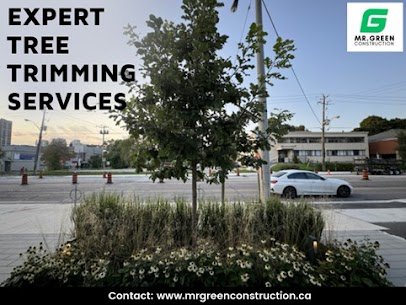
Tag: Mr. Green Construction

  • Tree Trimming Richmond Hill Homeowners Can Trust

    Tree Trimming Richmond Hill Homeowners Can Trust

    Summary

    Healthy, well-shaped trees add life, structure, and shade to any property. However, without proper care, they can quickly become safety hazards or lose their natural beauty. Professional maintenance keeps your trees strong and vibrant while protecting your home and garden. Homeowners who invest in tree trimming services notice immediate improvements in both safety and appearance. For those seeking reliable Tree Trimming Richmond Hill experts, understanding the importance of seasonal care, proper techniques, and professional guidance is the first step toward maintaining a balanced and beautiful landscape.

    Why Tree Trimming Is So Important

    Trees are among the most valuable features of your outdoor space. They provide shade, clean the air, and improve property value. Yet, like any living thing, they require attention. Regular trimming helps them grow evenly, stay healthy, and avoid potential damage to nearby structures.

    Tree trimming services are not just about appearance. Trimming prevents branches from becoming too heavy or overextended. When left unchecked, they can break during storms, damaging roofs, vehicles, or power lines. A well-trimmed tree distributes its weight evenly and develops stronger branches that can withstand weather changes.

    Pruning also improves air circulation and sunlight penetration, which supports overall growth and helps prevent disease. A good trim can even encourage new flowering or fruit-bearing in certain tree species. In short, trimming is essential maintenance that benefits both safety and plant health.

    Signs Your Trees Need Trimming

    You don’t have to wait until a branch breaks to know your tree needs attention. These signs are clear indicators that trimming is overdue:

    1. Low-hanging branches that obstruct walkways or block driveways.
    2. Dead or brittle limbs that could fall at any time.
    3. Overgrown branches touching roofs or power lines.
    4. Unbalanced growth, where one side of the tree looks heavier.
    5. Dense canopies that block light from reaching grass or garden beds.
    6. Visible cracks or splits in large branches.

    If you notice one or more of these, it’s time to schedule a professional assessment. Proper trimming can prevent accidents and promote steady, healthy growth throughout the year.

    How Tree Trimming Improves Safety and Aesthetics

    Tree trimming contributes to more than curb appeal. It protects your home and family from potential hazards. Overextended branches pose risks during storms, especially in areas with high winds or heavy snow. Regular maintenance removes those risks before they turn into costly repairs.

    From a design perspective, trimming defines shape and proportion. Well-maintained trees complement landscaping features and frame the house beautifully. Whether you prefer a natural look or a more manicured layout, trimming creates balance and keeps everything looking intentional.

    Some trees also respond better to trimming at specific times of the year. Early spring or late winter often works best for most species since it allows wounds to heal before growth season begins. Working with professionals ensures timing and technique are both appropriate for the specific trees in your yard.

    The Right Way to Trim Trees

    Trimming is a skilled task that requires understanding where and how to cut. Too much trimming can weaken a tree, while trimming in the wrong places can lead to uneven growth.

    Professional arborists typically follow these key steps:

    1. Assessment: Evaluate the tree’s health, size, and surrounding environment.
    2. Removal of Deadwood: Clear away any damaged or diseased limbs to prevent decay.
    3. Shaping and Thinning: Focus on improving structure without removing too much foliage.
    4. Safety Clearance: Ensure branches don’t interfere with roofs, fences, or power lines.
    5. Final Inspection: Review for symmetry, stability, and proper distribution of weight.

    These careful steps ensure trees remain healthy while reducing the risk of accidents or structural imbalance.

    Benefits of Professional Tree Trimming Services

    Hiring professionals brings long-term advantages that go beyond a clean appearance.

    1. Improved Health: Professionals identify diseases or infestations early and remove infected sections.
    2. Longevity: Regular trimming extends the lifespan of trees by encouraging healthy regrowth.
    3. Stronger Branches: Proper cuts guide the tree to grow evenly and withstand storms better.
    4. Better Sunlight Distribution: Trimming allows light to reach all parts of the tree and nearby plants.
    5. Increased Property Value: A well-maintained yard contributes to a strong first impression.
    6. Time Savings: Professionals handle heavy equipment safely and efficiently.

    In short, expert trimming maintains both safety and aesthetics without risking the tree’s long-term health.

    Choosing a Reliable Tree Trimming Company

    Selecting the right team matters. A professional service should have the skills, equipment, and safety standards needed for any type of trimming work. When comparing options, keep these points in mind:

    • Training and Certification: Certified arborists understand how different species react to trimming.
    • Proper Insurance: Always confirm that the company carries insurance for worker and property protection.
    • Transparent Pricing: Estimates should be clear and based on the job’s complexity, not vague hourly rates.
    • Safety Standards: A reliable crew uses proper harnesses, ladders, and pruning tools.
    • Local Knowledge: Companies familiar with regional tree types and climate patterns deliver better results.

    Mr. Green Construction follows all these best practices to ensure every tree trimming project is handled safely and efficiently.

    Common Mistakes to Avoid When Trimming Trees

    While trimming may look straightforward, it is easy to make mistakes that affect a tree’s long-term health. Avoiding these errors helps maintain strong and attractive trees:

    • Topping: Cutting large branches from the top of a tree may stunt growth and cause decay.
    • Cutting Too Close to the Trunk: This damages healing tissue and leaves the tree vulnerable to infection.
    • Over-Trimming: Removing too much foliage limits the tree’s ability to produce nutrients through photosynthesis.
    • Using Dull Tools: Jagged cuts take longer to heal and increase the risk of disease.
    • Ignoring Timing: Pruning at the wrong time can disrupt blooming or slow regrowth.

    A skilled team knows how to avoid these issues, ensuring the trees stay balanced and vibrant throughout every season.

    Simple Tree Care Tips for Homeowners

    Even between professional visits, small steps can help keep your trees in good shape.

    1. Water deeply, especially during dry months, to encourage strong root systems.
    2. Mulch around the base to retain moisture and prevent weed competition.
    3. Avoid piling soil or mulch directly against the trunk, which can lead to rot.
    4. Watch for signs of disease such as discolored leaves or unusual insects.
    5. Schedule seasonal inspections to catch problems before they worsen.

    These habits help your trees stay strong and resilient year after year.

    Frequently Asked Questions

    Q1. How often should trees be trimmed?
    A1. Most mature trees benefit from trimming every two to three years. Younger trees may need annual shaping to establish a stable structure.

    Q2. Is there a specific season for tree trimming?
    A2. Late winter or early spring is ideal for most species. However, dead or hazardous branches should be removed anytime for safety.

    Q3. Can trimming help prevent storm damage?
    A3. Yes. Removing weak or overextended branches reduces the risk of breakage during high winds or heavy snow.

    Q4. Will trimming affect blooming or fruit production?
    A4. When done correctly, trimming encourages healthier flowering and fruiting by directing energy to strong, productive branches.

    Q5. Can I trim my own trees?
    A5. Small branches can be managed safely, but large trees or high branches require professional tools and expertise to prevent injury or damage.

    Tree Trimming That Protects and Beautifies Your Property

    Regular trimming keeps your trees healthy, your yard safe, and your home looking well cared for. It’s an essential part of maintaining a property that feels inviting and natural. A professional team can manage the balance between beauty and safety while respecting the natural growth of your trees.

    For homeowners looking for dependable Tree Trimming services in Richmond Hill, Mr. Green Construction provides careful, detailed trimming tailored to your property’s needs. Our team prioritizes health, structure, and aesthetics, using proven methods that keep your trees thriving. We help homeowners create outdoor spaces that grow stronger and look better with time. Reach out to Mr. Green Construction to schedule your next trimming service and keep your landscape safe, balanced, and naturally beautiful throughout the year.
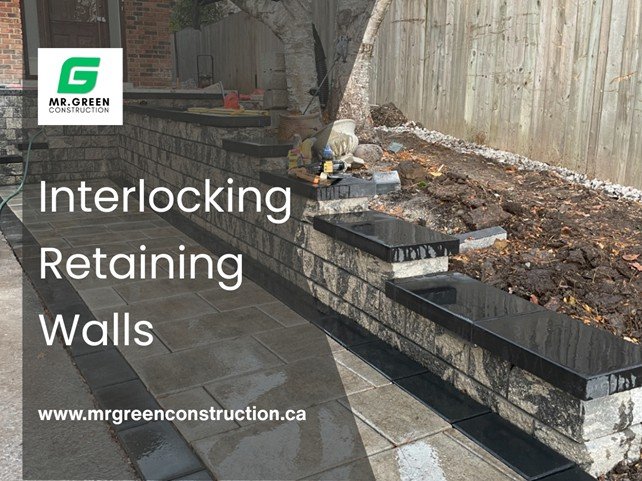
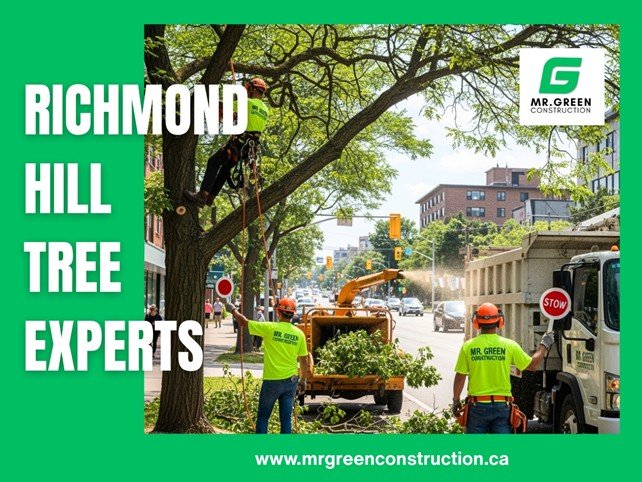
  • Building Strong Gardens with Interlocking Wall Blocks

    Building Strong Gardens with Interlocking Wall Blocks

    Summary

    A well-built garden is more than plants and soil; it’s a balance of structure, design, and stability. Whether you want to prevent erosion, shape your landscape, or add height and texture, retaining walls are essential. Many homeowners choose interlocking retaining wall blocks for their durability and versatility. They lock together without the need for mortar, creating strong walls that last for years. For anyone planning an outdoor makeover or searching for cheap interlocking retaining wall blocks, understanding design choices, installation techniques, and material options is the key to building a garden that is both beautiful and resilient.

    Why Retaining Walls Matter in Garden Design

    Retaining walls do much more than hold soil in place. They define spaces, improve drainage, and bring visual interest to otherwise flat yards. When built properly, these walls create layers that make small gardens appear larger and help prevent soil erosion during heavy rainfall.

    Interlocking retaining wall blocks are one of the most practical solutions for homeowners who want structure without sacrificing style. These blocks are designed to fit together like puzzle pieces, offering both strength and flexibility. They come in a range of sizes, colors, and textures, allowing you to match the design to your home’s architecture or surrounding landscape.

    The interlocking system also makes installation faster and cleaner than traditional masonry. There’s no need for mortar, and each block contributes to the wall’s stability through its own weight and shape. This makes them ideal for creating garden borders, raised beds, terraces, or decorative seating walls.

    How Interlocking Wall Blocks Work

    Each block in an interlocking system has a unique lip or groove that helps it lock securely into place with the blocks above and below it. This connection distributes pressure evenly, reducing stress on the structure and making it more resistant to shifting or cracking.

    The system relies on three main components:

    1. Base Preparation: The foundation must be level and compacted properly. A solid base determines how well the wall will hold over time.
    2. Drainage Management: Gravel and perforated pipes behind the wall help water escape, reducing pressure buildup.
    3. Block Alignment: Proper stacking and alignment ensure the wall stays straight and uniform.

    When each layer is carefully placed, the wall becomes both strong and visually clean. The result is a structure that supports the landscape while blending seamlessly into the garden design.

    Top Benefits of Using Interlocking Wall Blocks

    1. Long-Lasting Strength

    The primary benefit is durability. Because the blocks interlock, they resist shifting caused by soil pressure or seasonal freeze and thaw cycles.

    2. Versatile Design

    From curved garden edges to tiered walls, interlocking blocks adapt to any shape or layout. This flexibility allows creative freedom while maintaining structural stability.

    3. Low Maintenance

    Once installed, interlocking walls require minimal upkeep. They resist cracks, weathering, and pests far better than timber or poured concrete walls.

    4. Improved Drainage

    Gaps and joints between the blocks naturally allow water to pass through, preventing buildup that could weaken the wall.

    5. Cost-Effective Installation

    Because these walls don’t require mortar or heavy machinery, they often cost less to install while providing long-term value.

    6. Aesthetic Appeal

    With multiple colors, textures, and finishes available, interlocking walls complement every style—from rustic gardens to modern outdoor living areas.

    Planning Your Garden Layout

    Before building, it’s important to have a clear idea of how your garden will look. A well-planned layout ensures the wall not only functions effectively but also adds to the overall visual balance of your space.

    1. Identify Slopes and Problem Areas: Start by assessing which parts of your yard need structural support.
    2. Decide on Height and Shape: Low retaining walls are ideal for garden borders, while taller ones help manage elevation changes.
    3. Incorporate Seating or Planting Areas: Adding built-in seating or planter spaces creates both utility and charm.
    4. Blend with Natural Features: Use materials and colors that match the environment for a cohesive look.

    This planning phase sets the foundation for a durable and visually appealing project.

    Installation Tips for Homeowners

    While professionals handle larger projects, smaller garden walls can be a satisfying DIY project with the right preparation. Here’s what to keep in mind:

    • Excavate Carefully: Dig deep enough for a solid gravel base that can handle weight and water flow.
    • Level Each Row: Precision is key. Small misalignments early on can cause issues as the wall grows taller.
    • Add Drainage: A layer of crushed gravel and perforated pipe behind the wall helps release pressure from trapped water.
    • Backfill Properly: Fill behind each layer with gravel for stability. Avoid using only soil, which can expand when wet.
    • Cap the Wall: Use matching capstones on top for a clean, finished appearance.

    If your wall exceeds three feet in height, it’s best to hire professionals who understand soil pressure and building regulations.

    Design Ideas for Garden Walls

    Retaining walls don’t have to look industrial or plain. With interlocking blocks, they can become a design statement.

    • Tiered Gardens: Multiple short walls stacked at different heights create beautiful levels for flowers and shrubs.
    • Raised Flower Beds: Smaller walls define planting areas and improve drainage for delicate plants.
    • Built-In Seating: Flat-topped walls around patios double as benches, saving space and adding function.
    • Curved Pathways: Gentle curves built from interlocking blocks give a natural, flowing appearance.
    • Accent Lighting: Adding soft lights between layers or along the top caps turns walls into stunning nighttime features.

    These creative touches make your outdoor space both practical and personal.

    Maintenance and Longevity

    Once built, interlocking walls require little maintenance, but a few regular checks keep them in top condition:

    • Remove weeds that grow between blocks.
    • Check for any settling and fill gaps if needed.
    • Keep drainage channels clear of debris.
    • Rinse off dirt or stains with mild soap and water.

    A well-built and maintained wall can last for decades, making it one of the best investments for your property’s outdoor appeal.

    Frequently Asked Questions

    Q1. How long do interlocking retaining wall blocks last?
    A1. With proper installation and care, they can last 50 years or more. Their strength depends on base preparation and drainage.

    Q2. Are interlocking walls suitable for all soil types?
    A2. Yes, but sandy or loose soil may need reinforcement through compacting and gravel backfill for added support.

    Q3. Can interlocking walls be built on a slope?
    A3. Absolutely. They’re ideal for sloped yards where soil movement or erosion is common.

    Q4. Do I need a professional to install them?
    A4. Smaller walls under three feet can be a DIY project, but anything taller should be handled by professionals to meet safety standards.

    Q5. How do I choose the right block style?
    A5. Choose blocks that match your home’s exterior and garden design. Most suppliers offer samples to compare textures and colors before purchasing.

    Strong Gardens Start with Smart Planning

    A great garden design combines practicality with beauty. Retaining walls bring order to the landscape, allowing you to create usable spaces and prevent erosion naturally. They frame gardens, define walkways, and add structure without feeling heavy or overbuilt.

    If you want lasting quality and visual appeal, interlocking retaining wall blocks provide the ideal balance between performance and design flexibility. Their modular construction ensures durability while giving your garden a polished finish that grows more charming over time.

    For homeowners looking for affordable options such as cheap interlocking retaining wall blocks, Mr. Green Construction offers professional guidance, top-quality materials, and dependable craftsmanship. Whether you’re planning a garden renovation or a full outdoor redesign, our team helps you choose the right products and build strong, beautiful walls that stand the test of time. Reach out to Mr. Green Construction today to discuss your outdoor goals and discover how the right retaining wall can transform your garden into a lasting feature of your home.

  • Why Professional Tree Pruning Matters Most

    Why Professional Tree Pruning Matters Most

    Summary

    Trees bring shade, beauty, and balance to any property, but keeping them healthy requires regular attention. Many homeowners searching for tree planting near you focus on adding greenery, but often overlook the importance of proper pruning. Tree pruning keeps trees strong, prevents hazards, and helps your outdoor space look clean and well-maintained. It is not just a task but an essential part of caring for your landscape. With the right professional approach, pruning supports healthy growth and keeps your trees thriving for decades.

    Why Tree Pruning Is Important

    Tree pruning is one of the most valuable practices for maintaining the health of your trees. It is more than simply cutting branches for appearance. Pruning removes weak, diseased, or overgrown limbs that can block light, limit air circulation, or create risks during heavy winds. When done correctly, pruning improves the strength, structure, and longevity of every tree on your property.

    If you have been researching tree planting near you, keep in mind that planting is only the first step. Trees need consistent maintenance as they grow. Regular pruning prevents problems such as overcrowding, poor structure, and early decay. A well-maintained tree will continue to grow evenly, stay strong, and look beautiful year after year.

    How Tree Pruning Benefits Your Landscape

    1. Promotes Long-Term Tree Health

    Pruning eliminates unhealthy or dead branches that can slow growth or allow disease to spread. This helps direct nutrients toward the healthiest parts of the tree, leading to strong, stable branches and a longer lifespan.

    2. Improves Safety Around Your Home

    Dead or overextended branches can become dangerous during strong winds or heavy snow. They can break suddenly and cause damage to cars, windows, or nearby structures. Pruning keeps branches under control and lowers the risk of accidents.

    3. Shapes the Tree’s Structure

    Proper pruning encourages balanced growth and prevents leaning or uneven development. For young trees, trimming at the right time helps establish a solid foundation that will support future growth.

    4. Increases Sunlight and Airflow

    When trees become too dense, they block sunlight from reaching the inner canopy or nearby plants. Pruning opens up the branches, allowing light and air to circulate freely. This creates a healthier environment for both the tree and the surrounding landscaping.

    5. Protects Other Plants and Features

    Overgrown trees can compete with surrounding plants for nutrients and space. By managing branch growth, you give all plants in your garden a fair chance to flourish. This balance keeps your yard looking neat and well-planned.

    6. Keeps the Property Looking Polished

    A well-shaped tree instantly improves the look of your property. Trees that are properly trimmed bring symmetry, order, and appeal to your landscape. They frame your yard beautifully and can increase the overall value of your home.

    7. Prevents Costly Damage

    Unchecked branches may rub against roofs or power lines, causing damage that could lead to expensive repairs. Regular pruning prevents these problems early and saves time and money in the long run.

    When Is the Best Time to Prune Trees

    Timing matters when it comes to pruning. Most trees respond best to trimming during late winter or early spring, before new growth starts. This gives the tree time to heal and recover before the growing season begins. However, if you notice broken or diseased branches, they should be removed immediately, regardless of the time of year.

    Trees that flower in spring may need a different schedule. For those, it is best to prune right after they bloom to avoid cutting off new buds. Working with a local professional ensures the right approach for each tree species and local climate.

    Why Professional Tree Pruning Makes a Difference

    It might seem easy to grab a pair of shears and start trimming, but pruning requires experience, understanding, and precision. Professionals know how trees respond to cuts, where to make them, and how much to remove without causing stress.

    They use proper tools and techniques that minimize the chance of tearing or exposing the tree to disease. They also know how to handle pruning at heights safely, something that can be risky for homeowners.

    Professional pruning ensures the tree’s structure remains strong and its appearance natural. Instead of focusing on quick results, experts aim for balance, safety, and long-term health.

    Simple Tree Care Tips for Homeowners

    Keeping trees healthy between pruning sessions helps maintain their strength and beauty. A few simple habits can make a big difference.

    1. Inspect trees regularly for cracks, decay, or broken branches.
    2. Water deeply during dry periods to keep roots strong.
    3. Use mulch to retain moisture and protect the base.
    4. Avoid cutting more than one-third of the branches at once.
    5. Apply fertilizers during the growing season when needed.
    6. Keep an eye out for pests or fungus and address them early.
    7. Schedule annual or seasonal checks with professionals for larger trees.

    These simple steps prevent damage and help maintain a consistent appearance across your landscape.

    Common Pruning Mistakes Homeowners Should Avoid

    Pruning may look simple, but the wrong cut can harm a tree permanently. Some common mistakes include:

    • Cutting too close to the trunk, which slows healing.
    • Removing too many branches at once.
    • Using dull or unsuitable tools.
    • Pruning during the wrong season.
    • Ignoring small signs of disease or decay.

    Avoiding these errors helps trees stay strong and recover faster. A professional arborist will always make clean, precise cuts and prune at the right time for optimal results.

    How Mr. Green Construction Handles Tree Pruning

    At Mr. Green Construction, every pruning project starts with understanding the tree itself. Our team assesses the species, condition, and location before deciding the best way to prune. The goal is not just to cut branches but to strengthen the tree while improving safety and appearance.

    We work with a balanced approach that maintains the tree’s natural form. Every cut is made carefully to protect future growth and ensure stability. Whether it is shaping young trees or managing mature ones, our focus is on promoting long-term health and sustainability.

    Our crew also follows local Richmond Hill guidelines and uses professional-grade equipment to deliver clean, reliable results. Homeowners appreciate that we combine expertise with respect for their property and time.

    What to Expect After a Pruning Session

    Once pruning is done, your trees will look cleaner and lighter, but the real benefits come over time. Within weeks, you may notice better light penetration, new branch growth, and improved airflow. As the seasons change, your yard will look more open, your plants will thrive, and your trees will appear healthier and more balanced.

    Pruning is not just maintenance—it is a preventive step that protects your entire landscape from future issues. It also makes everyday activities like mowing or gardening safer and more comfortable.

    Questions Homeowners Often Ask

    Q1. How often should trees be pruned?
    A1. Most trees should be pruned every two or three years. Younger trees may need shaping more frequently, while mature trees can go longer between sessions if they remain healthy.

    Q2. What season is ideal for pruning?
    A2. Late winter or early spring is usually the best time because trees are dormant and recover faster. Emergency pruning for safety or disease removal can be done anytime.

    Q3. Can pruning harm a tree?
    A3. Proper pruning never harms a tree. Damage occurs only when branches are cut incorrectly or too severely. That is why working with trained professionals is essential.

    Q4. How do I know if my tree needs pruning?
    A4. Look for dead or drooping branches, cracks in the trunk, or branches that hang over your roof. These are signs that your tree may need attention soon.

    Q5. Why should I hire professionals instead of doing it myself?
    A5. Professionals have the training, tools, and knowledge to prune safely and accurately. They know how each tree species responds to cuts, which ensures long-term health and prevents future problems.

    Bringing It All Together

    Tree pruning keeps your landscape safe, organized, and beautiful. It is one of the simplest ways to protect your property while improving the health of your trees. Consistent, well-planned pruning ensures your trees continue to grow evenly and stay strong through every season.

    For homeowners searching for a tree pruning service near you, Mr. Green Construction offers the skill, care, and local expertise needed to keep your trees in perfect condition. Our team combines thoughtful planning, quality workmanship, and reliable maintenance to create outdoor spaces that stay healthy and inviting all year. When you trust Mr. Green Construction, you invest in lasting quality and peace of mind. Reach out to our team to schedule your next pruning service and discover how professional care can make a visible difference in your property’s beauty and safety.

  • Top Landscaping Services in Richmond Hill

    Top Landscaping Services in Richmond Hill

    Homeowners in Richmond Hill are increasingly investing in thoughtful outdoor design that’s practical, beautiful, and suited to local conditions. Whether it’s a backyard transformation or subtle upgrades to curb appeal, choosing the right landscaping services in Richmond Hill makes all the difference. From custom patios to expert landscape lighting installation, every detail counts. If you’ve ever searched for landscaping services near me, this guide will help you understand what quality service should look like, and why Mr. Green Construction stands out.

    What Makes Great Landscaping Services?

    Landscaping goes beyond planting trees or mowing the lawn. It’s a full-circle process that blends planning, functionality, and style to shape how a property looks and feels. Here’s what defines top-tier landscaping work:

    • Site Assessment: Professionals evaluate soil type, drainage, sun exposure, and space usage.
    • Tailored Design Plans: Each yard is unique. Designs should match lifestyle needs and property architecture.
    • Quality Materials: Long-lasting pavers, weather-resistant wood, and durable plants create a lasting impact.
    • Skilled Craftsmanship: From retaining walls to flower beds, precision installation is key to longevity.

    Importance of Landscape Lighting Installation

    Adding lighting to outdoor spaces is about more than ambiance. Strategic landscape lighting installation improves safety, adds nighttime functionality, and brings key features to life after dark.

    Here are ways lighting supports top landscaping design:

    • Pathway Illumination: Keep walkways safe and visually clear.
    • Accent Lighting: Highlights garden beds, statues, or water features.
    • Deck and Patio Lighting: Extends usability into the evening.
    • Security Lighting: Discourages intruders and improves visibility around the home.

    Mr. Green Construction offers reliable wiring, fixture selection, and expert placement for lighting that’s built to last and suited to Richmond Hill’s seasons.

    Key Landscaping Services Homeowners Should Expect

    When hiring a landscaping company, knowing what to ask for ensures your project runs smoothly. These are essential services that top Richmond Hill companies offer:

    1. Custom Hardscaping

    Well-placed patios, stone walkways, and retaining walls not only define space but also improve outdoor usability. Materials like natural stone and concrete blocks bring both structure and style.

    2. Garden and Lawn Planning

    Good landscaping includes careful plant selection and lawn installation. Native species are ideal for Richmond Hill’s climate, offering low-maintenance beauty and better survival rates.

    3. Drainage Solutions

    Unseen but essential, proper grading and underground drainage protect your home’s foundation and keep your yard from becoming waterlogged after storms.

    4. Outdoor Fireplace Installation

    Adding a fireplace to your backyard creates a cozy gathering spot. Mr. Green Construction designs outdoor fireplaces that meet local fire codes and blend seamlessly with the surrounding landscape.

    5. Fence and Deck Installation

    Privacy and comfort go hand in hand with sturdy, well-designed fencing and decking. Cedar and pressure-treated lumber are popular choices that handle Richmond Hill weather conditions well.

    6. Pergolas and Shade Structures

    These add both visual interest and shade to sunny spots, making your outdoor space more enjoyable during hot summer months.

    Design Tips to Maximize Your Outdoor Space

    A well-designed yard isn’t just nice to look at—it functions well for everyone who uses it. Here’s how to make the most of your landscaping project:

    • Choose Complementary Materials: Match stone, wood, and plants to your home’s existing exterior.
    • Create Zones: Designate separate areas for lounging, dining, and play.
    • Use Vertical Space: Trellises, walls, and pergolas draw the eye upward and create dimension.
    • Incorporate Greenery with Purpose: Use trees for natural shade, shrubs for privacy, and flowers for bursts of color.
    • Think Seasonally: Select plants that bloom at different times for year-round interest.

    Why Local Expertise Matters in Richmond Hill

    Landscaping isn’t one-size-fits-all. Richmond Hill presents specific challenges and opportunities that only a local team can handle well:

    • Knowledge of Zoning & Bylaws: From permits to setbacks, the Mr. Green team understands every detail.
    • Familiarity with Climate: Their recommendations come from years of work with local soil, seasons, and microclimates.
    • Access to Quality Suppliers: Mr. Green sources durable, reliable materials from trusted Canadian vendors.
    • Personal Service: Communication is direct and hands-on, from the first call to the final walkthrough.

    Maintaining the Look After Installation

    Even the best design won’t last without a little upkeep. Here are some essential maintenance tips to keep your outdoor space looking its best:

    • Clean Stone and Pavers regularly to prevent the buildup of dirt or moss.
    • Trim Shrubs and Trees Seasonally to promote healthy growth.
    • Inspect Lighting and Irrigation Systems every few months for damage or wear.
    • Seal Wood and Stone Surfaces to protect against moisture and staining.
    • Clear Debris from Gutters and Drainage Areas to avoid water pooling in landscaped zones.

    Choose the Right Landscaping Team

    When searching for landscaping services near me, it’s easy to get overwhelmed by options. However, not all landscapers are created equal. What sets Mr. Green Construction apart is a commitment to quality, detail, and customer-focused work. From start to finish, every service is carefully planned and executed to bring the best results possible.

    Whether you’re planning a complete outdoor redesign or want reliable, seasonal upgrades, trust a team that knows how to deliver the most effective landscaping services in Richmond Hill. With customized design, long-lasting materials, and expert support, Mr. Green Construction ensures your outdoor space becomes a true extension of your home.

    Bring your backyard vision to life. Contact Mr. Green Construction today to discuss your next landscaping project in Richmond Hill.

  • Richmond Hill’s Trusted Outdoor Construction Specialists

    Richmond Hill’s Trusted Outdoor Construction Specialists

    Discover how Mr. Green Construction provides expert Outdoor Construction Richmond Hill services, along with outstanding Outdoor fireplace installation options that can enrich any backyard setting. In this blog, you’ll find practical design pointers, material suggestions, and key benefits of choosing a trusted local team to bring your outdoor vision to life.

    1. Importance of Local Expertise
    Richmond Hill homeowners often seek ways to make their outdoor spaces more functional, inviting, and visually appealing. A reliable construction company is essential for turning an idea into a finished outdoor feature. When you partner with a well-established local team, you receive:

    • Knowledge of Local Regulations: They stay updated on municipal rules, zoning requirements, and safety codes.
    • Familiarity with Local Climate: A company rooted in your region understands weather patterns and knows which materials and designs work best.
    • Personalized Guidance: Direct communication and timely support ensure that every project detail fits your needs.

    2. Embracing Outdoor Fireplace Installation
    A cozy fireplace in the backyard can add a welcoming touch to gatherings in all seasons. Outdoor fireplace installation not only introduces a warm focal point but also encourages social interaction and relaxation under the sky. Before getting started, consider:

    • Placement: Evaluate yard dimensions, wind direction, and proximity to seating areas or gardens.
    • Style & Materials: Brick, stone, and concrete blocks are popular for fireplace construction. Each offers distinct textures and design possibilities.
    • Safety Measures: Adhere to local fire codes and include proper ventilation. It’s also wise to keep flammable objects at a safe distance.

    3. Balancing Practical Design with Aesthetics
    Every part of an outdoor space should combine durability with visual appeal. When planning new features, keep these pointers in mind:

    • Harmonized Colors and Textures: Choose materials and finishes that complement existing home exteriors.
    • Functional Layout: Ensure clear pathways, consider seating arrangements for large groups, and designate cozy corners for a more intimate vibe.
    • Sustainability: Opt for materials that have minimal environmental impact, such as reclaimed wood or permeable pavers.
    • Smart Lighting Solutions: Pathway lights, overhead string lights, and accent lights around decorative elements can boost safety and ambience.

    4. Materials and Construction Techniques
    Selecting high-quality products and reliable building methods creates durable structures. Look for:

    1. Weather-Resistant Wood: Cedar and pressure-treated lumber are commonly used for decks or pergolas, thanks to their resilience against moisture and insects.
    2. Long-Lasting Stone: Natural stone or engineered stone can be used for patios, retaining walls, and fireplace facades.
    3. Low-Maintenance Pavers: Concrete or clay pavers are easy to install and clean, offering a neat finish to walkways and patios.
    4. Protective Sealants: Whether it’s wood or stone, proper sealing protects surfaces from water damage, stains, and fading.

    5. Planning for Multifunctional Spaces
    Homeowners often want outdoor features that serve multiple purposes. Some ideas include:

    • Integrated Seating: Built-in benches or seat walls around fireplaces and patios maximize seating capacity without clutter.
    • Dining Spaces: Outdoor kitchens, countertops, and bar areas support casual dining.
    • Sports and Recreation Zones: Leaving open sections for mini basketball courts, children’s play sets, or lawn games can keep everyone entertained.
    • Lush Greenery: Balancing hardscapes with greenery keeps the environment pleasant. Garden beds, container plants, and strategically placed shrubs can help define different zones.

    6. Maintenance Tips for Long-Lasting Results
    Once your project is complete, a few simple steps help maintain its appeal over time:

    • Regular Cleaning: Sweep patios, wipe down surfaces, and clear debris from cracks to prevent deterioration.
    • Seasonal Inspections: Check for any signs of moisture damage, cracks, or loose components. Prompt repairs can prevent bigger issues.
    • Protecting Metal Fixtures: Coat iron or steel elements with rustproof treatments to keep them looking their best.
    • Covering Furnishings: Use protective covers for outdoor furniture during harsh weather or store cushions indoors when not in use.

    Last Section: Outdoor Construction Richmond Hill
    Choosing Outdoor Construction Richmond Hill services from a reputable local contractor helps ensure that your project follows every safety guideline and meets the highest standards. Whether it’s a garden oasis or a focal fireplace, Mr. Green Construction brings together skilled craftsmanship, modern design approaches, and thorough planning. By collaborating closely with clients and prioritizing quality, they deliver reliable outdoor features that seamlessly blend with existing landscapes.

    Why Choose Mr. Green Construction

    When you’re ready to upgrade your yard with an appealing fireplace, deck, or patio, let Mr. Green Construction handle the details. Their combination of top-tier materials and proven building methods means every feature is built to stand the test of time. They respond promptly to homeowner needs, making sure each project phase runs smoothly. Through clear communication, dependable workmanship, and a focus on delivering practical yet attractive designs, Mr. Green Construction has become a trusted name in the community. Contact Mr. Green Construction today to begin planning your outdoor transformation. Whether you dream of a cozy fireplace or a spacious patio for gatherings, their team stands ready to provide the attention to detail and skill that will make your vision a reality. With professional guidance and a dedication to lasting quality, Mr. Green Construction is the ideal partner to bring your outdoor project to life in Richmond Hill.