Tag: Mr Green Construction

  • Creative Landscaping And Retaining Walls With Budget-Friendly Blocks

    Creative Landscaping And Retaining Walls With Budget-Friendly Blocks

    Summary
    Homeowners who want practical, attractive, and affordable outdoor upgrades often look for ideas that combine landscaping and retaining walls with materials that fit a reasonable budget. Many projects do not require premium stone to look impressive. With thoughtful planning and the right installation approach, you can build beautiful and long-lasting spaces without overspending. This guide explores creative ways to use budget-friendly blocks, where they work best, and how to design a landscape that feels structured and polished. It also explains how certain features help support soil, shape garden areas, and improve the overall look of your property. Later in the guide, you will also see how cheap interlocking retaining wall blocks offer strong value for homeowners.

    Creative Landscaping And Retaining Walls With Budget-Friendly Blocks:
    Here is the thing. Designing an outdoor space does not always need high-end materials or complicated construction. What matters more is how the pieces work together. When homeowners explore landscaping and retaining walls as a combined project, they open the door to stronger yard structure, better soil management, and cleaner design flow. The right retaining wall blocks help shape garden beds, manage slopes, protect soil from erosion, and create usable outdoor areas where the family can relax or entertain. This approach supports both function and aesthetics, which is why so many homeowners prefer it.

    Thoughtful planning helps you maximize every part of the space. Even simple blocks can create impressive results when used with smart layout ideas, layered planting, and proportionate wall height. When you blend creativity with careful planning, your landscape becomes more organized and easier to maintain.

    Why Retaining Walls Improve Landscape Design:
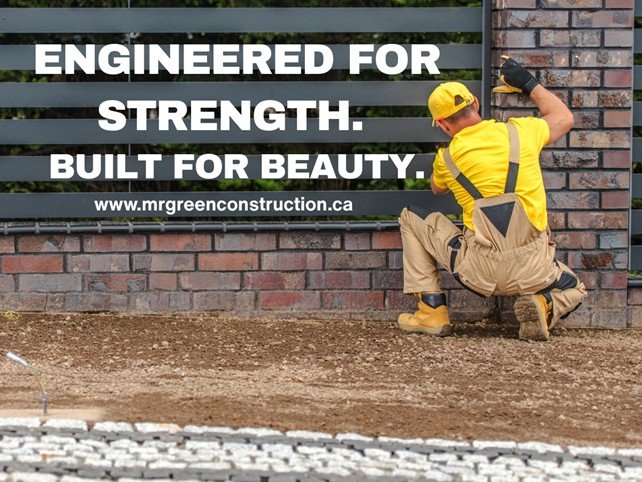
    Retaining walls have an important purpose beyond looks. They strengthen soil boundaries, reduce erosion, and create flat usable sections in yards with natural slopes. Homeowners often choose retaining walls to address structural issues first, then expand the design to include garden features or seating areas. A well-built retaining wall helps the whole yard function better.
    Short pointers to highlight key advantages:
    • They stabilize soil on sloped yards.
    • They create clear and attractive boundaries.
    • They support raised gardens and planting beds.
    • They define walkways and outdoor rooms.
    • They help direct water away from structures.

    Once the wall is built, homeowners can layer plants, lighting, seating, or pathways around it. The wall becomes a visual anchor that ties the entire landscape together.

    How Budget-Friendly Blocks Fit Into Creative Landscaping:
    Budget-friendly block options allow homeowners to build walls that look good and stay strong without paying premium stone prices. These blocks come in consistent shapes, making them simple to stack and align. They are also designed to hold soil pressure effectively when installed correctly. Because the blocks are lighter than natural stone, they are easier to handle, which reduces installation time and labour needs.

    The flexibility of these blocks lets you experiment with curved edges, stepped walls, or low garden borders. Blocks can also be combined with gravel, mulch, or decorative stone to create a polished and well-balanced look. Homeowners appreciate that these blocks allow more of the budget to go toward plants or other upgrades.

    Where Budget-Friendly Walls Make the Most Impact:
    Retaining walls offer value in many parts of the yard. Some of the most common and effective uses include:
    • Garden edging for neat planting areas.
    • Raised garden beds that highlight flowers or shrubs.
    • Small seating ledges around patios.
    • Soil support around walkways or driveways.
    • Terraced slopes that create multiple flat levels.
    • Borders around outdoor living spaces.
    • Support for sloped backyards that need stabilization.

    These additions help shape the space in a way that feels intentional and visually balanced.

    Helpful Questions About Landscaping And Retaining Walls

    Q1. How do retaining walls improve the overall look of a yard?
    A1. Retaining walls create clean edges, support raised gardens, and form structured levels in the landscape. They help the design feel organized and visually appealing.

    Q2. Can budget-friendly retaining wall blocks still be durable?
    A2. Yes. Many affordable block options are engineered to handle soil pressure and outdoor conditions well when installed correctly with proper base preparation.

    Q3. Where should retaining walls be placed for maximum benefit?
    A3. The best locations include sloped areas, raised beds, garden borders, or spaces where soil needs added support. Walls also work well around patios and walkways.

    Q4. Do retaining walls require a lot of maintenance?
    A4. Not usually. When built on a proper compacted base with good drainage, retaining walls require minimal care aside from occasional cleaning or small touch-ups.

    Q5. Can homeowners combine retaining walls with planting and other outdoor features?
    A5. Absolutely. Walls look great with layered plants, low shrubs, pathway lighting, potted arrangements, or seating that follows the wall line.

    How Good Design Enhances the Final Look:
    A successful landscape relies on proportion and flow. Retaining walls help divide space in a way that feels natural. When the height, length, and placement of the wall match the shape of the yard, the entire area becomes easier to navigate. Pairing wall sections with soft landscaping like shrubs, ornamental grasses, or seasonal flowers also softens the look. This balance between structure and greenery helps create a yard that feels welcoming.

    Lighting also plays an important role. Soft pathway lights or warm glow features along the wall help highlight textures and make evenings more inviting. Homeowners who want additional detail sometimes add small steps or curved transitions to guide movement from one level of the yard to another.

    Why Soil Support Is Essential for Any Yard:
    The strength of the yard comes from the way the soil is supported. Retaining walls prevent soil from shifting, washing out, or crowding paths and patios. Even a short wall can make a big difference if built correctly. A well-compacted base and proper drainage behind the wall ensure long-term stability. Without proper support, soil movement can weaken lawns, disrupt gardens, and create uneven areas that become difficult to maintain.

    Good soil support also improves plant health. Raised beds give roots more room and better drainage. They also make maintenance easier because the gardens become more defined and accessible.

    Choosing the Right Placement for Maximum Value:
    Choosing where to place your walls determines how much visual impact they will have. A wall near the patio can create a cozy sense of enclosure. A wall along a slope can open more usable yard space. A wall behind a garden helps frame plants and keep the area tidy. Walking through the yard and visualizing how the space flows helps shape the design. Homeowners often benefit from professional guidance to understand slope angles, soil conditions, and water flow before deciding on placement.

    Making the Most of Budget-Friendly Materials:
    Budget-friendly blocks work best when paired with smart design choices. They give you the freedom to build terraces, steps, garden borders, and seating edges without exceeding your budget. You can mix textures such as gravel, mulch, or natural stone to elevate the final look. Consistent block sizes also make it easier to maintain clean lines. When installed carefully, these blocks can last for many years.

    Homeowners appreciate that these materials allow them to focus more on greenery, lighting, and finishing touches. A great design does not depend solely on expensive materials. It depends on thoughtful placement, correct construction, and a balance of textures and plant choices. Mr Green Construction specializes in helping homeowners transform their yards with strong, attractive, and affordable solutions. Their experience ensures proper ground preparation, correct block installation, and smooth project planning. They help you choose the right layout, understand slope and soil needs, and build outdoor features that last. Many homeowners also want to learn more about options such as cheap interlocking retaining wall blocks, and the team at Mr Green Construction is always ready to guide you toward choices that fit both your vision and your budget.
  • Why Regular Tree Trimming in Richmond Hill Matters

    Why Regular Tree Trimming in Richmond Hill Matters

    Summary
    Homeowners who invest in proper tree care quickly see the difference in how their property looks and feels. For those searching for Tree Trimming Richmond Hill or wondering about Tree planting near me, understanding the value of consistent tree maintenance is essential. Tree trimming is not just about shaping branches for appearance. It is a vital part of landscape health that keeps trees strong, safe, and attractive all year long. In this blog, we explore why regular trimming matters, when to do it, and how professionals like Mr Green Construction help Richmond Hill homeowners maintain beautiful and healthy outdoor spaces.

    The Role of Tree Trimming in a Healthy Landscape

    Trees are a defining feature in many Richmond Hill properties. They provide shade, clean the air, and bring beauty to both front and backyards. However, without routine trimming, even the healthiest trees can become overgrown, unstable, or hazardous.

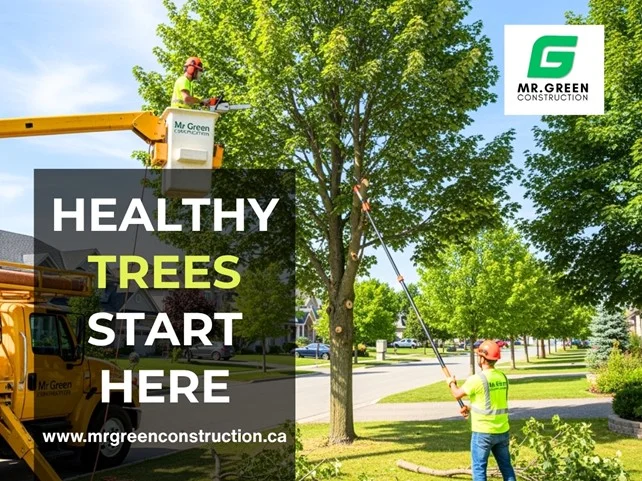
    Tree trimming removes dead or weak branches before they fall and damage nearby structures. It also allows light and air to move through the canopy, helping trees grow stronger and live longer. For homeowners, regular maintenance creates safer, cleaner, and more appealing outdoor spaces.

    Professional Tree Trimming Richmond Hill services ensure that your trees are cared for properly, using precise techniques suited to the type and age of each tree.

    Benefits of Regular Tree Trimming

    Here are some key reasons why consistent trimming should be part of every homeowner’s landscaping plan:

    1. Promotes Healthy Growth:
      Trimming encourages trees to grow evenly by removing damaged or diseased branches. It redirects nutrients to the healthiest areas, resulting in stronger trunks and fuller canopies.
    2. Prevents Hazards:
      Overgrown branches can pose serious risks, especially during storms or heavy snow. Regular trimming keeps branches from interfering with power lines, rooftops, and walkways.
    3. Enhances Property Appearance:
      Well-trimmed trees make a yard look clean and inviting. They frame your home beautifully, increase curb appeal, and improve the balance of your landscape design.
    4. Encourages Fruit and Flower Production:
      For flowering or fruit-bearing trees, trimming helps increase bloom output and fruit quality by allowing more sunlight to reach interior branches.
    5. Improves Air and Sunlight Flow:
      Trimming thins the canopy, allowing better air circulation and more light to reach the lawn or garden below. This improves the overall health of nearby plants.
    6. Increases Longevity:
      Routine trimming can extend a tree’s lifespan by reducing stress on weaker limbs and promoting strong structural development.

    When Is the Best Time for Tree Trimming

    Timing plays a big role in how well your trees respond to trimming.

    • Late Winter to Early Spring is ideal for most trees, as they are dormant and less likely to experience stress.
    • Summer trimming helps control shape and manage excessive growth.
    • Fall trimming should be limited, as trees prepare for dormancy and may heal slowly.

    For specialized species or large trees, it’s best to consult professionals who understand local growing cycles in Richmond Hill. They can assess which trimming schedule works best for your landscape.

    Signs Your Trees Need Trimming

    Knowing when to trim can prevent long-term problems. Look out for these signs that your trees may need professional care:

    • Branches hanging too close to roofs or windows
    • Dead or broken limbs after storms
    • Uneven or lopsided growth
    • Thick canopies block sunlight from your yard
    • Visible signs of disease, fungus, or decay

    If you notice any of these issues, contact experts for Tree Trimming Richmond Hill to evaluate the condition and recommend safe trimming options.

    Tree Trimming Techniques Used by Professionals

    A professional approach to trimming ensures both safety and plant health. Some common methods include:

    • Crown Thinning – Selectively removing inner branches to increase light and air flow.
    • Crown Raising – Removing lower branches to clear space for pedestrians, vehicles, or views.
    • Crown Reduction – Trimming back large sections to reduce tree height while maintaining balance.
    • Deadwood Removal – Taking out dead or weak branches before they pose a risk.

    Each method is chosen based on tree size, type, and placement on the property.

    Smart Questions Homeowners Often Ask

    Q1. How often should trees be trimmed in Richmond Hill?
    Ans 1: Most mature trees benefit from trimming every 3 to 5 years, while younger trees may require annual shaping to encourage strong growth.

    Q2. Can I trim trees myself, or should I hire a professional?
    Ans 2: Small, low branches can be handled by homeowners, but taller trees or major trimming should always be done by professionals for safety and accuracy. Hiring experts in Tree Trimming Richmond Hill ensures the job is done right without damaging the tree.

    Q3. How is tree trimming different from pruning?
    Ans 3: Pruning focuses on plant health by removing dead or diseased branches. Trimming, while similar, is mainly about maintaining structure and aesthetics. A complete care plan includes both.

    Q4. What should I consider for new trees?
    Ans 4: If you are planning to add trees, searching for Tree planting near you can connect you with experts who can advise on species selection and proper planting locations to ensure healthy, long-term growth.

    Q5. What happens if trees are not trimmed regularly?
    Ans 5: Neglecting trimming can lead to uneven growth, disease spread, and safety hazards from falling branches. Over time, untrimmed trees may also weaken structurally.

    How Tree Trimming Supports New Tree Planting

    Tree trimming and planting go hand in hand. A well-maintained landscape is not only about managing what already exists but also about adding new life to your yard.

    If you’ve recently planted young trees, trimming helps shape their early growth and strengthen root systems. It also ensures they grow upright and balanced without leaning toward sunlight or nearby structures.

    When searching for Tree planting near me, choose professionals who provide both planting and trimming services. This ensures every stage of your landscape’s growth is managed properly and consistently.

    Environmental and Community Benefits

    Maintaining trees contributes to more than just your property’s appearance. Healthy trees improve local air quality, reduce urban heat, and support local wildlife.

    • Cleaner Air: Trees filter pollutants and provide oxygen.
    • Energy Savings: Shaded properties stay cooler in summer, reducing the need for air conditioning.
    • Erosion Control: Strong roots stabilize the soil and reduce runoff.
    • Community Value: A well-landscaped neighborhood looks welcoming and increases overall property values.

    By investing in proper Tree Trimming Richmond Hill services, you are not just improving your yard but also contributing to a greener and healthier community.

    Why Professional Care Matters

    Tree trimming may look simple, but it involves a deep understanding of plant biology and structural integrity. Over-trimming can stress a tree or make it vulnerable to disease, while trimming at the wrong time can stunt its growth.

    Professional landscapers like Mr Green Construction bring experience and precision to every project. They use proper techniques and tools to ensure each cut supports healthy regrowth. Safety is another key factor, especially when trimming large trees near homes or power lines.

    By working with a professional team, you ensure that your landscape remains safe, beautiful, and well-balanced year after year.

    Maintenance Tips for Homeowners

    Between professional visits, you can take small steps to keep your trees in good shape:

    • Water deeply during dry seasons.
    • Watch for signs of pests or disease.
    • Clear fallen branches or debris after storms.
    • Avoid piling mulch too high around tree trunks.
    • Keep an eye on young trees to ensure straight growth.

    These simple habits support long-term tree health and help preserve the investment you’ve made in your landscape.

    Bringing It All Together

    Regular tree trimming is one of the most important steps in keeping your landscape safe, attractive, and sustainable. It supports healthy growth, prevents property damage, and enhances the overall appearance of your yard. Whether you need trimming, maintenance, or professional advice on Tree planting near me, having a trusted expert makes the process easier and more reliable.

    Work with Mr Green Construction

    At Mr Green Construction, we provide professional Tree Trimming Richmond Hill services designed to protect and beautify your property. Our experienced team understands local trees, climate, and soil conditions, ensuring that every trim promotes strength, shape, and longevity.

    We also offer tree planting, garden design, retaining wall construction, and full landscaping solutions tailored to Richmond Hill homeowners. Whether you are maintaining mature trees or growing new ones, our approach focuses on long-term care, visual appeal, and environmental balance. Contact Mr Green Construction today to schedule a consultation and discover how our tree trimming and planting services can help you create a landscape that grows healthier and looks better every season.

  • Creative Landscaping Tips for Richmond Hill Properties

    Creative Landscaping Tips for Richmond Hill Properties

    Summary:
    Homeowners exploring landscaping in Richmond Hill or searching for the best landscapers near me often want more than standard lawn care. They are looking for outdoor spaces that feel beautiful, useful, and personal. Creative landscaping can completely transform how your property looks and functions. With the right design ideas and professional guidance, your yard can become an inviting extension of your home that thrives through every season.

    The Beauty of Landscaping in Richmond Hill

    Richmond Hill offers a unique blend of scenic surroundings and diverse property types. From modern townhomes to family estates, each yard has the potential to be something special. The area’s four distinct seasons also make landscaping a rewarding challenge. Thoughtful design ensures your outdoor space looks lively in spring, cool and green in summer, colorful in fall, and structured in winter.

    When you plan your landscaping in Richmond Hill, think beyond planting trees and grass. Consider how textures, colors, and shapes can create a balanced visual story. It is about combining living elements like plants and lawns with hard surfaces such as stone, wood, and lighting to form a space that feels connected and complete.

    Why Professional Landscaping Makes a Difference

    While homeowners can handle simple gardening tasks, professional landscaping takes your yard to another level. Working with experts ensures that the design not only looks appealing but also works with the local climate and soil.

    Here are a few reasons why professional input matters:

    1. Local Knowledge:
      Skilled landscapers understand Richmond Hill’s soil composition, plant varieties, and changing weather conditions. They select plants and materials that perform well in the area.
    2. Design Harmony:
      Professionals know how to match landscaping styles with home architecture. They balance size, shape, and proportion so that each feature fits naturally within your property.
    3. Efficient Planning:
      A landscaper can create detailed plans that maximize space and ensure smooth traffic flow. This approach avoids common issues such as poor drainage or overcrowded planting beds.
    4. Increased Property Value:
      Well-planned landscapes add measurable value to your property. Curb appeal improves, and the space becomes more functional for everyday living.

    If you are comparing the best landscapers near me, look for teams that combine design creativity, technical skill, and reliable project management.

    Creative Ideas to Bring Your Landscape to Life

    Below are several thoughtful ideas to make your outdoor space beautiful and enjoyable year-round.

    1. Design with Purpose:

    Every yard should have clear zones. Think about how you will use your space and divide it into areas for dining, relaxation, play, or gardening. Pathways, planters, or low garden walls can separate spaces while keeping the design open and cohesive.

    2. Blend Textures and Materials:

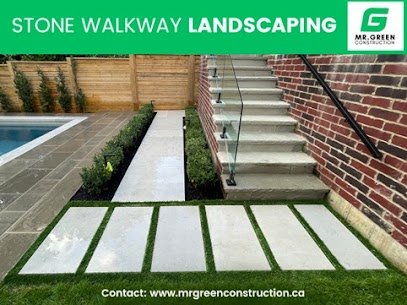
    Use a mix of stone, wood, and greenery for natural contrast. For example, pairing interlock pathways with cedar fencing and soft turf can create a clean yet welcoming look.

    3. Layer Your Planting:

    Create depth by layering plants of different heights. Trees and shrubs in the background, mid-height flowering plants in the center, and low ground covers in front produce a balanced appearance that feels lush and full.

    4. Add a Water Feature:

    A small fountain or pond brings calm movement to your yard. The sound of flowing water masks nearby street noise and adds tranquility to the environment.

    5. Use Lighting Strategically:

    Lighting brings your landscape to life after sunset. Highlight trees, architectural elements, or stone pathways with soft LED fixtures. Warm lighting makes your yard feel safe and inviting in the evening.

    6. Include Functional Stonework:

    Retaining walls, garden steps, and patios built from natural stone or interlock create structure and lasting appeal. They also help manage uneven ground and prevent erosion.

    7. Plan for All Seasons:

    Choose a mix of plants that thrive in different times of the year. Flowering perennials in spring, evergreens in winter, and colorful foliage in fall keep your yard looking dynamic throughout the year.

    Common Questions Homeowners Ask

    Q1. What should I know before starting landscaping in Richmond Hill?
    Ans 1: Begin with a clear vision of how you want to use your outdoor space. Consider your soil type, sunlight exposure, and budget. Professional landscapers can help you plan layouts that fit your lifestyle and property size.

    Q2. How can I find the best landscapers near me?
    Ans 2: Check for local experience, client reviews, and portfolios of completed projects. The best landscapers combine creative design with durable workmanship and understand local environmental factors.

    Q3. How can I make my landscaping low-maintenance?
    Ans 3: Select native plants that require less water, install efficient irrigation systems, and design simple layouts with fewer tight corners. Mulching also helps retain moisture and reduce weeds.

    Q4. What design trends work well in Richmond Hill?
    Ans 4: Modern minimalism with natural stone and wooden accents is popular. Blending native plants with sustainable materials gives a timeless and eco-friendly look.

    Q5. When is the best time to start landscaping projects?
    Ans 5: Spring and early fall are ideal since mild temperatures allow plants to establish strong roots. However, certain hardscape projects like patios or retaining walls can be built almost any time of the year.

    Sustainable Landscaping for Modern Homes

    More homeowners in Richmond Hill are adopting sustainable landscaping practices that protect the environment while keeping yards vibrant. Sustainable designs use local plants, manage water efficiently, and minimize long-term maintenance.

    Here are some easy ways to make your landscape eco-friendly:

    • Choose Native Plants:
      Native species adapt naturally to local soil and climate, reducing the need for frequent watering or fertilizing.
    • Install Permeable Surfaces:
      Interlocking pavers or gravel paths allow rainwater to seep into the ground, preventing puddles and runoff.
    • Use Smart Irrigation:
      Automated watering systems save water by adjusting to soil moisture and weather conditions.
    • Compost Yard Waste:
      Turning clippings and leaves into compost provides organic nutrients for your soil, reducing the need for chemical fertilizers.

    These small choices make your landscape healthier and more sustainable for years to come.

    Creating Comfort through Outdoor Living Spaces

    Landscaping is not only about plants and stones. It is about creating spaces where you can live, relax, and connect with nature. Outdoor kitchens, decks, or fire features can turn your backyard into a true living area.

    For example, a stone patio with a built-in fire pit becomes a cozy gathering space in cooler evenings. Adding a pergola or shaded structure creates comfort during sunny summer days. When planned carefully, these features blend seamlessly with your home’s design and surroundings.

    The Value of Long-Term Maintenance

    Once your new landscape is installed, consistent care ensures it continues to look beautiful. Regular maintenance preserves both structure and health.

    • Seasonal Cleanups remove fallen leaves and prepare plants for winter.
    • Fertilization and Aeration strengthen grass roots and encourage growth.
    • Tree and Shrub Pruning maintains healthy shapes and prevents overgrowth.
    • Pest and Weed Checks keep your garden clean and thriving.

    Professional landscapers like Mr Green Construction offer maintenance plans that ensure every part of your landscape stays in top shape year after year.

    Bringing It All Together

    Creative landscaping blends design, sustainability, and comfort. It enhances property value and turns an ordinary yard into a peaceful retreat. Homeowners who invest in landscaping in Richmond Hill gain more than beauty. They create outdoor environments that enrich daily life and connect seamlessly with nature.

    If you are searching for the best landscapers near you, it helps to work with professionals who understand your local soil, climate, and style preferences. The right team can guide you from concept to completion, ensuring every detail aligns with your vision.

    Partner with Mr Green Construction

    At Mr Green Construction, we specialize in creating outdoor spaces that are as practical as they are beautiful. Our services include landscape design, retaining walls, interlock driveways, patios, and full outdoor construction projects across Richmond Hill.

    We combine creativity with craftsmanship, using high-quality materials suited for Ontario’s climate. From concept design to installation and maintenance, our team focuses on lasting results and client satisfaction. If you are ready to reimagine your yard, contact Mr Green Construction today. We will help you plan and build a landscape that feels timeless, functional, and uniquely yours.

  • How to Pick Healthy Sod for Your Lawn

    How to Pick Healthy Sod for Your Lawn

    Summary:
    If you are searching online for where can I purchase sod near me or comparing options for sod for sale near you, it is clear that you want a beautiful, green lawn that looks healthy from day one. Fresh, high-quality sod is the foundation of any successful landscaping project, but knowing how to choose the right type can make all the difference in how your lawn grows and lasts. In this blog, we will explore how to identify healthy sod, what to look for before purchasing, and how to make your new lawn thrive with the right preparation and care.

    Why Choosing Healthy Sod Matters

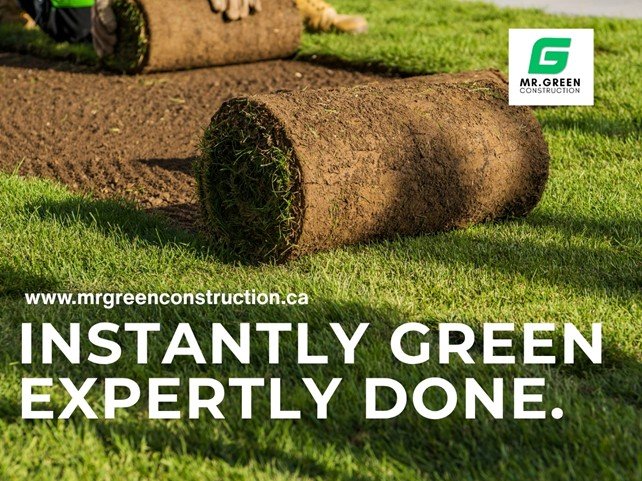
    Sod is more than just grass. It is a living product made of turf and roots that have been cultivated for months. Healthy sod establishes quickly, resists disease, and delivers a uniform, vibrant look to your yard. Poor-quality sod, on the other hand, can lead to patchy growth, uneven color, and wasted investment.

    When you invest in sod, you are investing in the long-term health of your lawn. That is why it is important to take time to understand what defines quality and how to spot warning signs before you buy.

    Signs of Healthy, High-Quality Sod

    1. Vibrant Green Color:
      The first and most obvious sign of healthy sod is a consistent, rich green color. Avoid sod that looks dull, yellowish, or has brown patches. A uniform color indicates that the sod has been watered, fertilized, and cared for properly before harvesting.
    2. Strong, Dense Roots:
      Lift the edge of a sod roll and inspect the roots. Healthy sod will have a thick, fibrous root system that holds the soil firmly together. Weak or sparse roots may signal poor growing conditions or over-harvesting.
    3. Moist Soil Base:
      The soil at the base of the sod should be moist but not muddy. Dry or crumbly soil may mean the sod has been sitting out too long, while overly wet soil can make it difficult to handle and install.
    4. Even Thickness:
      Consistency is key. Each piece of sod should be about one inch thick and evenly cut. Uneven sod can cause gaps or raised edges that make the lawn look patchy after installation.
    5. No Signs of Weeds or Pests:
      Inspect the sod closely for weeds, insects, or disease. A clean, pest-free sod roll ensures you are not introducing problems into your new lawn.

    Preparing Your Yard Before Laying Sod

    Even the best sod can struggle if the soil beneath it is not prepared properly. Here are essential steps to get your yard ready:

    1. Test Your Soil:
      Check the soil pH and nutrient levels. Most grass types thrive in slightly acidic to neutral soil. If the soil is too compacted or low in nutrients, add organic matter or topsoil before installation.
    2. Remove Debris and Old Grass:
      Clear rocks, weeds, and any remnants of old turf. A clean surface helps the sod make contact with the soil, which speeds up root establishment.
    3. Level and Grade the Area:
      Smooth out uneven surfaces to ensure proper drainage. Standing water can damage new sod and encourage disease.
    4. Lightly Water Before Installation:
      Moisture helps roots settle in quickly. Water the soil lightly a few hours before laying the sod.

    Smart Questions Homeowners Often Ask

    Q1. How do I know where to buy quality sod near you?

    Ans1: Search for reputable local suppliers by checking reviews, photos of recent projects, and professional recommendations. If you are wondering where I can purchase sod near you, look for a company that cuts and delivers fresh sod the same day. Mr Green Construction sources high-quality sod suitable for Richmond Hill’s climate.

    Q2. What should I avoid when choosing sod for sale near you?

    Ans2: Avoid sod that looks dry, thin, or faded in color. Also, stay away from rolls that fall apart easily, as this can indicate weak roots. Healthy sod should hold together firmly when lifted.

    Q3. How long can sod stay rolled before its installed?

    Ans3: Sod should ideally be installed within 24 hours of delivery. The longer it sits rolled up, the more likely it is to dry out and lose quality.

    Q4. Can sod be installed in any season?

    Ans4: Spring and early fall are the best seasons for installation because the mild weather helps roots establish quickly. Summer installations require more frequent watering to prevent stress.

    Q5. How do I care for sod right after installation?

    Ans5: Water immediately after installation and keep the surface consistently moist for the first two weeks. Avoid heavy foot traffic until the sod is fully rooted.

    How to Match Sod Type with Your Property

    Not all sod is the same. Each type has its own strengths depending on sunlight, soil conditions, and intended use.

    • Kentucky Bluegrass: Known for its lush color and fine texture. Ideal for cool climates like Ontario.
    • Fescue Blends: Perfect for shaded lawns and areas with less sunlight.
    • Perennial Ryegrass: Grows quickly and withstands heavy use, making it great for family yards.

    Discuss your property’s conditions with a local landscaping expert. They can help you choose a sod type that fits your yard’s exposure, soil quality, and maintenance preferences.

    Installation Tips for a Smooth Start

    1. Lay Sod in Straight Lines:
      Start along a straight edge, such as a driveway or patio. Lay the sod tightly together, staggering seams in a brick-like pattern to avoid visible lines.
    2. Press Down Edges:
      Use a roller or gently step on the sod to ensure good contact with the soil below. This helps prevent air pockets and supports root bonding.
    3. Water Immediately After Laying:
      Water each section as you go. The sod should be moist but not flooded. Consistent watering is crucial for the first two weeks.
    4. Avoid Mowing Too Soon:
      Wait until the sod is well-rooted before mowing—typically two to three weeks. Set the mower to a higher blade height during the first cut.

    The Importance of Local Expertise

    Buying sod from a nearby supplier ensures you get grass grown in similar soil and weather conditions. When you type sod for sale near you into your search bar, you are not just looking for convenience; you are looking for compatibility. Locally sourced sod adapts faster, requires less maintenance, and lasts longer.

    Working with a trusted local company like Mr Green Construction gives you access to both premium sod and experienced professionals who understand Richmond Hill’s landscape needs. Their team can recommend the right sod variety, handle installation, and provide long-term maintenance guidance.

    Sustainability and Long-Term Lawn Health

    Healthy sod not only improves curb appeal but also supports the environment. A well-established lawn absorbs carbon dioxide, reduces dust, and cools the air around your home. Choosing locally grown sod also minimizes transportation emissions and supports community-based suppliers.

    To keep your sod sustainable and long-lasting:

    • Use organic fertilizers instead of harsh chemicals.
    • Mow regularly, but avoid cutting more than one-third of the grass height at once.
    • Water deeply but less frequently after the first month to encourage deeper root growth.

    Maintenance Tips for Lasting Results

    After installation, proper care ensures your sod stays healthy and green all year.

    • Water Wisely: During the first two weeks, water daily in the morning. Once the sod is rooted, reduce watering to two or three times a week.
    • Fertilize Seasonally: Apply fertilizer during spring and fall for steady growth and color.
    • Control Weeds Early: A thick, healthy lawn naturally prevents weed growth, but occasional weeding keeps your lawn in perfect shape.
    • Aerate Annually: Aeration improves soil oxygen and water absorption, promoting long-term health.

    Bringing It All Together

    Healthy sod is the foundation of a lush and vibrant lawn. By learning what to look for, preparing the soil properly, and providing consistent care, you can achieve results that last for years. If you are comparing sod for sale near you or asking where can I purchase sod near you, remember that the quality of sod and the expertise of your installer make all the difference.

    Work with Mr Green Construction

    At Mr Green Construction, we take pride in helping homeowners create lawns that are as beautiful as they are durable. From sourcing premium sod to professional installation and aftercare, our team ensures that every yard we work on thrives. We understand Richmond Hill’s local climate and soil conditions, allowing us to recommend the right sod type for your property. Whether you need help selecting the right sod or want a full landscaping solution, Mr Green Construction can make your lawn transformation simple, reliable, and long-lasting. Contact us today to get started on a lawn that feels fresh, healthy, and built to last.

  • Simple Ways to Highlight Your Outdoor Space

    Simple Ways to Highlight Your Outdoor Space

    Summary

    A well-designed outdoor space is more than a backyard; it’s an area that reflects your lifestyle and brings daily comfort. Whether you want to entertain guests or enjoy peaceful evenings, a few thoughtful touches can make all the difference. Many homeowners discover that landscape lighting installation instantly improves both appearance and usability. Lighting creates warmth, safety, and balance while making outdoor areas inviting after sunset. For homeowners considering landscaping in Richmond Hill, Ontario, combining design, texture, and lighting is the key to building a space that looks beautiful and feels comfortable throughout the year.

    Lighting Sets the Tone

    Lighting is one of the simplest ways to transform your yard into a space that feels alive. It defines pathways, highlights architecture, and brings out the colors and shapes that often disappear after dark. The goal is not to make it bright everywhere but to guide attention in the right places.

    During landscape lighting installation, each fixture should serve a purpose. Path lights guide movement, spotlights draw focus to trees or walls, and accent lights make small details stand out. When planned correctly, these layers of light work together to shape how people move through the space and what they notice first.

    Subtle lighting along fences or garden edges also helps create a soft boundary, giving your yard a sense of depth. When used with warm tones, it makes patios and seating areas more inviting for evening gatherings.

    Think in Layers, Not Lines

    A common mistake in outdoor design is focusing on one element at a time instead of how everything connects. The best spaces blend structure, light, and greenery into one balanced view.

    Start with the basics. Hardscape, like patios, decks, and walkways, forms the foundation. Then add greenery for texture and contrast. Finally, lighting brings the entire setting together. When viewed at night, these layers make the yard feel three-dimensional and welcoming.

    Each zone can have its own lighting character. A dining area might need brighter, warmer lights, while a quiet garden corner benefits from soft, indirect light. The key is to think of light as part of the design, not an afterthought.

    Small Additions That Make a Big Difference

    You don’t always need major renovations to make your outdoor space stand out. Some simple upgrades can transform how it looks and functions.

    1. Pathway Lighting: Low garden lights keep walkways safe and visually pleasing.
    2. Tree Uplighting: Placing lights at the base of a tree draws the eye upward and creates striking silhouettes.
    3. Accent Fixtures: Spotlights can showcase garden sculptures, water features, or planters.
    4. String Lighting: Hanging soft lights across patios or pergolas adds charm and warmth.
    5. Water Reflections: Lights near ponds or fountains create gentle movement and reflection.

    These small improvements help define zones, guide guests naturally, and give your landscape a sense of intention without overwhelming the space.

    Textures and Materials That Add Depth

    Outdoor design is as much about texture as it is about layout. The right mix of materials can make your space feel complete. Stone pathways, wooden decks, and gravel borders each bring unique visual interest. Lighting plays an important role in revealing these textures after dark.

    Soft lighting on rough stone surfaces creates beautiful shadows. A warm glow on wooden planks highlights grain patterns and color variations. Even simple pavers or bricks can look sophisticated when lit at the right angle. These are details that make a space feel finished, not just functional.

    Functionality Is as Important as Style

    Outdoor design must serve a purpose beyond looks. A well-lit space improves safety, prevents tripping hazards, and allows people to move comfortably at night. It also deters unwanted pests and increases property security.

    Modern lighting systems can be both stylish and practical. LED fixtures use minimal energy and last for years. Smart lighting controls let you adjust brightness or set timers for convenience. Solar lights are another sustainable option that work well for pathways and garden edges.

    When planning your outdoor lighting, think about how you want to use your yard after dark. A comfortable level of brightness that supports relaxation is usually better than bright, direct light.

    Zoning for Balance and Flow

    Breaking your yard into zones helps create purpose. Each section should feel distinct but still part of a larger design.

    • Relaxation Zone: Use soft, warm lighting near seating areas for a calm mood.
    • Dining Zone: Add overhead lights or lanterns for comfort while eating outdoors.
    • Garden Zone: Gentle uplighting for plants and water features keeps the space natural and peaceful.

    This approach ensures your yard feels both organized and open. It also gives you flexibility to change the layout later without redoing the entire lighting system.

    What Homeowners Should Avoid

    Sometimes less is more. Over-lighting can wash out textures, create glare, and make the yard feel artificial. Avoid placing too many bright lights close together. Focus instead on balance and subtle contrast.

    Another common issue is using mismatched color tones. Combining warm and cool light in the same area often looks uneven. Stick to one color palette for consistency, preferably a warm tone that complements natural materials.

    Lastly, never ignore fixture placement. Always test how lights look at night before finalizing installation. Adjust angles, brightness, and coverage until the effect feels natural.

    Frequently Asked Questions

    Q1. How many lights do I need for a medium backyard?
    A1. Most mid-sized yards need about eight to twelve lights, depending on layout and design. The key is placement, not quantity.

    Q2. What type of bulbs work best outdoors?
    A2. LED bulbs are ideal because they last long, use less energy, and give consistent brightness in all weather conditions.

    Q3. Can I install landscape lighting myself?
    A3. Some small solar fixtures are simple to install, but wired systems or complex layouts are best handled by professionals to ensure safety and quality.

    Q4. How do I keep outdoor lighting looking good through winter?
    A4. Use weather-resistant fixtures and check wiring regularly. Clear away snow or debris and keep lenses clean for better light distribution.

    Q5. How can lighting improve property value?
    A5. Well-planned lighting increases curb appeal and creates a sense of security, which can make your home more attractive to buyers.

    A Note from Mr. Green Construction

    Your outdoor space should feel like a natural part of your home. The right combination of lighting, texture, and structure turns a simple yard into a comfortable retreat for family and friends. Whether you’re creating cozy seating areas or designing a garden path that comes alive at night, thoughtful details make all the difference.

    For homeowners interested in landscaping in Richmond Hill, Ontario, Mr. Green Construction specializes in transforming outdoor spaces through careful planning and skilled craftsmanship. From designing balanced layouts to installing precise lighting systems, every project is built around function, beauty, and long-term quality. If you’re ready to bring light, life, and character to your yard, our team is here to help you make that vision real.

  • Garden Wall Retaining Solutions for Sloped Yards

    Garden Wall Retaining Solutions for Sloped Yards

    Summary

    A sloped yard may look beautiful at first glance, but it often comes with challenges. Soil erosion, poor drainage, and wasted outdoor space are just a few of the problems homeowners face. Building the right retaining wall is a practical way to solve these issues while also creating usable areas for gardening, patios, and pathways. Affordable choices such as cheap interlocking retaining wall blocks make it possible to design strong, functional walls without going over budget. A carefully planned garden wall retaining system can transform uneven ground into a secure and inviting landscape.

    Why Sloped Yards Need Retaining Walls

    Many homes in Richmond Hill are built on natural slopes. While this adds character to the land, it also creates difficulties for everyday use. Sloped yards are prone to erosion when heavy rain washes soil downhill. Water may also pool at the bottom of the slope, causing drainage problems and even threatening the foundation of a home.

    In addition, steep ground often sits unused because it is difficult to mow, plant, or walk on safely. Families with children and pets find it hard to enjoy outdoor activities when the yard is uneven and unstable. A retaining wall changes that. It stabilizes the soil, controls water, and creates flat areas that can be used for recreation or gardening.

    Affordable Solutions With Interlocking Blocks

    One of the most practical choices for homeowners is the use of cheap interlocking retaining wall blocks. These manufactured blocks are designed with a special shape that allows them to lock securely into place without the need for mortar. The result is a strong and durable wall that can handle soil pressure while still being cost-effective.

    There are several reasons interlocking blocks are a popular choice:

    • They are less expensive than natural stone or poured concrete.
    • They are built to last, holding up well in different weather conditions.
    • They allow flexibility in design, whether you want straight lines or gentle curves.
    • They are relatively easy to install for smaller projects.
    • They require little maintenance once installed correctly.

    For a homeowner who wants a balance between affordability and long-term strength, interlocking blocks are one of the best solutions available.

    Planning a Retaining Wall for a Sloped Yard

    A retaining wall must be carefully planned if it is going to last. Poorly designed walls may look fine at first, but will eventually lean or collapse under pressure from soil and water. Here are some of the most important factors to keep in mind when planning:

    Wall height –
    Walls that are under three feet can sometimes be handled without major engineering, but anything taller usually requires a permit and professional expertise.

    Drainage –
    One of the leading causes of wall failure is water buildup. A proper design includes gravel backfill and drain pipes to move water away from the wall.

    Terracing –
    For steep slopes, it is often better to build several shorter walls rather than one tall wall. This terraced design creates multiple usable levels, which can be turned into garden beds, seating areas, or pathways.

    Foundation and soil –
    A stable gravel base keeps the wall secure. If the soil is soft or weak, reinforcement such as geogrid may be needed.

    Material choice –
    Concrete interlocking blocks are the most budget-friendly. Natural stone provides rustic beauty. Brick gives a structured and classic look. Poured concrete is strong and modern but more costly.

    Style and Aesthetic Choices

    A retaining wall should not only be functional but should also fit the style of the home. With thoughtful design, it can become a highlight of the yard rather than a plain barrier.

    • Textured blocks or natural stone add character to garden spaces.
    • Smooth concrete or brick offers a clean and modern look.
    • Combining materials, such as stone with wood planters, creates a unique design.
    • Built-in lighting adds safety along pathways and creates an evening ambiance.
    • Greenery, such as vines or shrubs, softens the wall and makes it more inviting.

    In Richmond Hill, where landscaping contributes heavily to curb appeal, homeowners often use retaining walls to complement their home’s overall look.

    Keeping Your Retaining Wall Strong for Years

    A well-built wall can last for decades, but only if it is cared for properly. Thankfully, maintenance is straightforward.

    • Check once a year for cracks or leaning sections.
    • Keep drains and gravel clear so water does not collect behind the wall.
    • Refill soil or mulch as needed when settling occurs.
    • Apply protective sealants to block or stone surfaces to prevent damage from moisture.

    By following these simple steps, homeowners can enjoy the benefits of their retaining wall for generations.

    How Retaining Walls Improve Outdoor Living

    Beyond the structural benefits, retaining walls dramatically improve how a yard can be used. A sloped yard often feels like wasted space, but with the right wall, it can be turned into something valuable.

    Flat terraces created by retaining walls are perfect for outdoor dining areas, patios, or play zones. Gardeners love the ability to create tiered planting beds where flowers and vegetables can thrive. Retaining walls can also frame walkways and steps, making the yard easier and safer to navigate.

    In many cases, a once unusable yard becomes the most enjoyed part of the home.

    Why Professional Installation Matters

    While small garden walls may be tackled by handy homeowners, larger retaining wall projects should be handled by professionals. Mistakes in drainage, base preparation, or wall height can lead to serious problems that cost more to fix than to build properly the first time.

    Working with experts such as Mr Green Construction provides peace of mind. Professionals understand local building codes, soil conditions, and climate factors in Richmond Hill. They bring the right tools, knowledge, and materials to the job, ensuring the wall not only looks great but also stands the test of time.

    Comparing the Options

    When weighing the different materials, it helps to think about your priorities. If cost is the main concern, interlocking blocks are the clear winner. For homeowners who want a more natural appearance, stone is a great choice. Brick is a traditional option that blends well with many styles of homes, while poured concrete is best suited for modern properties that require maximum durability.

    Each choice comes with its own strengths, but the best option is the one that balances budget, aesthetics, and long-term performance.

    Homeowner Questions About Retaining Walls

    Q1. Do I need a permit to build a retaining wall?
    In most areas, walls under three feet do not need a permit. If you are considering a larger garden wall retaining project in Richmond Hill, it is always best to confirm with the city.

    Q2. Can interlocking blocks really hold back a large slope?
    Yes. With proper drainage and base preparation, cheap interlocking retaining wall blocks are engineered to handle significant soil loads.

    Q3. How long does a retaining wall usually last?
    When designed and built correctly, a retaining wall can last anywhere from 30 to 50 years, sometimes even longer with good maintenance.

    Q4. Can a retaining wall serve more than one purpose?
    Definitely. Many homeowners design their walls to also function as planter boxes, seating areas, or even as part of an outdoor kitchen or firepit area.

    Q5. What is the best option for areas with heavy rainfall?
    Walls that are built with drainage in mind are always the best choice. Gravel backfill, drain pipes, and compacted soil make the difference between a wall that lasts and one that fails. Interlocking block systems are especially reliable when paired with these drainage solutions.

    Sloped yards can be tricky, but they do not have to limit your outdoor living. With a carefully designed retaining wall, you can turn a difficult landscape into one that is safe, practical, and attractive. Affordable options, such as cheap interlocking retaining wall blocks, allow you to get the strength you need while staying within budget. A well-planned garden wall retaining system not only prevents erosion but also adds beauty and functionality that will last for decades.

    Why Choose Mr Green Construction

    At Mr Green Construction, we bring together design, skill, and reliable workmanship to create retaining walls that truly last. Our team understands the soil, drainage, and weather conditions in Richmond Hill, and we build with these factors in mind to ensure durability. Whether you want a simple garden wall or a complete transformation of your sloped yard, we have the expertise to deliver results that are both strong and visually appealing. Call us today or surf our website to learn more. Together, we can create a retaining wall that improves your yard and adds lasting value to your home.

  • How Tree Pruning Improves Curb Appeal

    How Tree Pruning Improves Curb Appeal

    Summary: Your trees play a bigger role in your property’s curb appeal than you might expect. A well-pruned tree can open up your yard, frame your home, and instantly make your landscaping look more intentional. In this blog, we’ll break down how the right tree care improves first impressions and how expert tree trimming services can help you protect your property while boosting its appearance. If you’re searching for a trusted tree pruning service near you, this guide will help you make an informed decision.

    The First Thing People Notice About Your Home

    Even before someone steps onto your property, they’ve already formed an opinion. Overgrown trees can block walkways, crowd driveways, and make even the nicest house feel hidden or uninviting. On the other hand, well-maintained and trimmed trees indicate that your property is well cared for and thoughtfully managed.

    Curb appeal is not just about flowers or fresh paint. Trees are often the tallest and most noticeable parts of your landscape. When they’re untrimmed, they can dominate the yard. When shaped correctly, they create balance and structure. That’s the difference professional tree trimming services can make.

    What Is Tree Pruning and Why Does It Matter?

    Tree pruning means removing the right branches at the right time. This includes getting rid of dead limbs, cutting back overgrowth, and improving the shape of the tree. It is not about removing large sections just to make it look clean. It is about understanding how the tree grows and helping it stay healthy while looking better.

    There are different kinds of pruning, each with a purpose:

    • Clearing space for sunlight and air
    • Removing weak or damaged limbs
    • Keeping branches away from roofs or power lines
    • Shaping trees for a balanced appearance
    • Encouraging strong structure as the tree grows

    Good pruning supports the tree’s health, keeps your yard safer, and gives everything a cleaner look.

    How Tree Pruning Adds to Your Curb Appeal

    Here are a few ways that regular pruning can change the way people see your property.

    Shows Off the Front of Your Home

    Pruning opens up space so your home is more visible from the street. This makes the property feel more welcoming and helps others appreciate the effort you’ve put into it.

    Makes the Landscape Feel Balanced

    A tree with a clean, symmetrical shape brings order to your yard. When trees grow wild, they can make the whole space look uneven or crowded.

    Brightens the Yard

    Removing thick or low-hanging branches lets more natural light reach your lawn and garden. This helps grass grow better and makes the space feel more open.

    Keeps Walkways and Entrances Clear

    No one likes ducking under branches to get to the front door. Regular pruning keeps paths and entries open and clean.

    Reduces Yard Work

    Fewer dead branches mean less cleanup after storms or heavy winds. That means more time enjoying your yard and less time picking up debris.

    Complements Other Landscape Features

    Properly pruned trees let your stone pathways, flower beds, or outdoor lighting shine. The trees support the space rather than taking over it.

    When Should You Schedule Tree Pruning?

    Most trees do best when pruned in late winter or early spring. This is before new growth begins and gives the tree time to heal. For fast-growing or flowering trees, a trim in mid-summer may also be helpful.

    You should also take care of broken, dangerous, or diseased branches right away, no matter the season. Waiting too long can create safety risks and make the damage worse.

    Signs That Its Time to Prune

    If you’re unsure whether your trees need attention, look out for these signs:

    • Branches are hanging too low or touching your roof
    • Dead or broken limbs are visible
    • The tree looks uneven or misshapen
    • Walkways or driveways are blocked
    • Your lawn is struggling to grow under the shade
    • The tree is getting too close to structures or wires

    Any one of these may be a good reason to call in a professional.

    Why Its Better Not to Do It Yourself

    It can be tempting to grab a ladder and trim a few branches on your own. But without the right tools, training, and knowledge, you could cause more harm than good.

    Overcutting can leave a tree vulnerable to disease. Cutting in the wrong spot can affect how it grows in the future. There’s also the risk of personal injury when dealing with heights or large limbs.

    This is where hiring an expert pays off. A trained crew knows how to make the right cuts for both health and shape. They also clean up properly and make sure everything is done safely.

    Mr Green Construction Can Help

    At Mr Green Construction, we provide more than just outdoor building services. We also help homeowners keep their trees healthy and their yards looking clean. Our team offers professional pruning with attention to detail and a strong focus on safety.

    We work with trees of all types and sizes across Richmond Hill and the surrounding areas. Before we make a single cut, we inspect the tree, review its condition, and explain the best plan for shaping and long-term care. Our goal is always to help your landscape look better without compromising the tree’s health.

    Whether you need one tree trimmed or a full cleanup of your outdoor space, we’ll help you choose the right solution for your home.

    Straight Answers to Tree Care Questions

    How often should trees be pruned?

    Most mature trees need pruning every two to three years. Younger or fast-growing trees may need attention more often.

    Can pruning make my home look bigger?

    Yes. Removing heavy or overgrown branches opens up views of your house and can make your property feel more spacious.

    Does pruning damage the tree?

    Not when done correctly. Good pruning actually improves tree health by getting rid of weak or overcrowded growth.

    Can pruning prevent damage to my home?

    Absolutely. By removing limbs that hang over your roof or get close to wires, you lower the risk of accidents or costly repairs.

    What is the best way to find a tree pruning service near you?

    The best option is to choose a local company for tree pruning service near you with proven results and a reputation for reliable outdoor care. Mr Green Construction offers tree pruning services in your area, along with full landscape planning and construction.

    Well-maintained trees help tell the story of a home that is cared for. They highlight what matters, protect your property, and help the entire landscape feel complete. If your yard has been feeling messy or blocked, pruning could be the simple change that makes everything feel right again.

    The team at Mr Green Construction is here to help you take care of the trees that frame your space. Our expert services are available throughout Richmond Hill and nearby communities. We offer smart, reliable, and professional tree care designed to support both health and appearance. To learn more or schedule a quote, contact Mr Green Construction today. Let’s bring out the best in your outdoor space with tree pruning done right.

  • Where to Buy Quality SOD in Toronto

    Where to Buy Quality SOD in Toronto

    Summary: If you’ve ever searched for SOD suppliers near me or wondered how to find reliable SOD Toronto options, you’re not alone. A great lawn starts with the right turf, but with so many choices in the GTA, it can be hard to know where to begin. This blog walks you through what to look for, where to buy SOD in Toronto, and why local guidance can save you time, money, and a lot of yard work.

    Why SOD Quality Makes a Big Difference

    SOD is not just about rolling out some grass and hoping for the best. If you want a lawn that looks clean, feels soft underfoot, and lasts through the seasons, you need to choose the right kind of SOD and source it from a supplier that knows what they’re doing. Poor-quality SOD leads to patchy lawns, root issues, and wasted effort.

    This is exactly why people start searching for SOD suppliers near me. They want local, reliable, and fresh options. SOD is a living product. The fresher it is when it reaches your yard, the better it will root and thrive.

    What to Look for When Buying SOD in Toronto

    Whether you’re a homeowner planning a backyard makeover or a contractor working on a landscaping project, buying SOD is a commitment. Here are some helpful things to check before you place that order.

    Choose the Right Grass Type

    In Toronto, cool-season grasses like Kentucky Bluegrass and Fine Fescue tend to do well. These types stay green in cooler temperatures and recover nicely after winter.

    Ask When the SOD Was Cut

    Freshness is key. SOD should be cut and delivered on the same day or within 24 hours at most. If it’s left rolled for too long, it dries out and may not take root properly.

    Know How Much You Need

    One pallet of SOD usually covers around 450 to 500 square feet. Measure your space accurately, add a bit extra for odd cuts, and always confirm the coverage area with your supplier.

    Check Delivery Timing

    SOD installation should happen right after delivery. A delay of even one day can affect the health of the turf. Always coordinate your delivery with your installation date.

    Dont Forget the Prep Work

    SOD needs to be laid on prepared soil. That means clearing old grass, loosening the topsoil, checking drainage, and sometimes adding compost or topsoil. If you skip this part, even the best SOD can fail.

    Where Can You Buy SOD in Toronto?

    Toronto has many options for purchasing SOD, from small garden centers to large SOD farms. Your best choice depends on your project size and whether you’re managing installation yourself or working with a landscaping company.

    Garden Centres

    Ideal for smaller spaces or patch jobs. While convenient, make sure the SOD hasn’t been sitting out for too long.

    Direct from SOD Farms

    Some farms around the GTA offer direct-to-consumer sales. This is a great way to get fresher SOD and often at better prices. The only catch is that you may need to arrange your own transportation and installation.

    Landscape Supply Yards

    Many supply yards cater to both homeowners and contractors. They stock fresh SOD, soil, mulch, and often offer bundled pricing.

    Local Construction Companies

    For homeowners who want everything done right from start to finish, working with a local outdoor construction team like Mr Green Construction can be the smartest move. When you get your SOD through a trusted local company, you also get expert advice, proper prep, and professional installation.

    Red Flags to Watch Out For

    Buying SOD may seem simple, but a few mistakes can ruin your lawn. Here are some signs that you may want to look elsewhere.

    • The SOD feels dry or crumbly
    • There are weeds mixed into the grass
    • The supplier can’t tell you what type of grass it is
    • Pricing is vague or unclear
    • No delivery timeline is offered
    • No advice is given for installation or care

    A good SOD supplier will not only provide the product but also help you understand how to get the most from it.

    Preparing Your Yard Before the SOD Arrives

    Before the first roll of SOD is unrolled, your yard needs to be ready. Preparation is more than half the battle when it comes to a healthy lawn.

    1. Remove weeds and old grass
    2. Loosen the top layer of soil, about three to six inches deep
    3. Level the area so water doesn’t pool
    4. Water the soil lightly before the SOD is laid
    5. Make sure your tools or your contractor are ready to install it quickly

    SOD should never sit out rolled in the sun. The faster it’s installed, the better it grows.

    How Mr Green Construction Can Help

    Buying SOD is one thing. Knowing how to prep, install, and care for it is something else. That’s where we come in.

    Mr Green Construction works with homeowners across Richmond Hill and Toronto who want a better lawn but don’t want to gamble on cheap turf or guesswork. Our team sources quality SOD from trusted Ontario farms and takes care of the full process — from yard prep to installation. We also help you design the surrounding features, whether it’s a new patio, walkway, or garden bed.

    Our team doesn’t rush through the job. We plan your outdoor space like it’s our own, paying attention to soil quality, slope, sun exposure, and long-term health. It’s this care that gives our lawns the long-term results clients want.

    Caring for Your New Lawn

    Once your SOD is installed, it needs attention for the first few weeks.

    • Water daily for 7 to 10 days until the roots begin to anchor
    • Avoid walking on it until the SOD feels firm underfoot
    • Wait until the grass reaches 3 to 4 inches before the first cut
    • Use a light fertilizer after 4 to 6 weeks for added strength
    • Keep an eye out for any brown spots or lifting edges

    Following these simple care tips ensures your new SOD turns into a full, green lawn that feels like it’s always been there.

    Real Questions Homeowners Ask About SOD

    Q1: How do I know Im getting fresh SOD?

    Fresh SOD will feel cool and damp and should hold together when picked up. If it smells sour or breaks apart easily, it’s been sitting too long.

    Q2: Can SOD be installed in hot weather?

    Yes, but it requires a lot more watering. Try to install in the morning or on a cooler day, and water immediately after each section is placed.

    Q3: Is SOD better than seeding?

    For fast results and less weed growth, yes. Seeding is more affordable, but it takes time and effort to protect the young grass from weeds, birds, and foot traffic.

    Q4: Do I need professional help to install SOD?

    Not always. But if your yard has drainage problems, uneven slopes, or you’re laying SOD over a large space, having professionals like Mr Green Construction handle it is usually a smart choice.

    Q5: How soon can I walk on my new lawn?

    After about two to three weeks, depending on how quickly the roots take. Check by gently pulling on a corner. If it resists, it’s ready.

    Finding quality SOD in Toronto is easier when you know what to look for and who to trust. Instead of spending hours comparing prices or trying to cut corners, let a reliable local company handle it from the start.

    Mr Green Construction provides the SOD Toronto homeowners can count on. We combine high-quality turf with expert installation and long-term planning to give your lawn a strong foundation. Whether you’re working on a front yard makeover, a backyard retreat, or just need better curb appeal, our team is here to help.Call us today or visit our website to learn more about SOD installation and other outdoor construction services in your area.

  • Long-Lasting Retaining Walls with Interlocking Blocks

    Long-Lasting Retaining Walls with Interlocking Blocks

    Retaining walls are essential for preventing soil erosion and supporting landscape structure, especially in sloped areas. Homeowners searching for cheap interlocking retaining wall blocks often prioritize affordability, but long-term durability matters just as much. This blog explores why interlocking retaining wall blocks are a smart and lasting choice for outdoor spaces, and how to ensure the walls stand strong for years.

    Why Choose Interlocking Retaining Walls for Your Landscape

    Retaining walls are more than just functional barriers. They help shape the landscape, support elevation changes, and add definition to yards, gardens, and driveways. Choosing the right material is key to building a wall that looks clean and holds its strength over time.

    Many homeowners explore cheap interlocking retaining wall blocks when budgeting their outdoor improvement projects. However, not all budget-friendly options deliver the same results. It’s important to balance affordability with quality to avoid frequent repairs, shifting walls, or moisture-related failures. Interlocking blocks offer a long-lasting solution that is easier to install, maintain, and reinforce compared to traditional methods.

    What Makes Interlocking Retaining Wall Blocks Reliable

    Here’s why interlocking blocks are known for their performance:

    1. Mechanical Locking System

    Each block is designed to fit tightly with the next. This mechanical connection distributes pressure evenly across the wall, reducing movement and shifting.

    2. No Mortar Required

    Dry-stacked interlocking blocks eliminate the need for mortar or concrete bonding. This allows for natural drainage, reduces cracking, and speeds up the installation process.

    3. Flexible in Design

    Interlocking blocks can be used to build curved or straight walls, short garden dividers, or multi-level retaining structures. This flexibility allows for practical layouts that suit different yard sizes and elevations.

    4. Withstands Local Weather Conditions

    In climates like Richmond Hill’s, where freeze-thaw cycles can affect structures, interlocking blocks allow slight movements without losing structural integrity. Proper installation ensures the wall remains steady even through seasonal changes.

    5. Low Maintenance

    Once installed, these blocks require very little upkeep. Occasional cleaning and quick checks for movement are usually enough to keep the wall performing well.

    Signs of a High-Quality Retaining Wall

    Whether you’re building a new wall or upgrading an existing one, keep these pointers in mind to ensure a lasting result:

    • Proper Base Preparation
      A solid, level base made of compacted gravel provides long-term stability. Skipping this step often leads to uneven walls or early failure.
    • Geogrid Reinforcement
      For walls taller than 3 feet, geogrid mesh is typically added between layers. This strengthens the connection between the wall and the surrounding soil.
    • Backfill and Drainage
      Drainage gravel and perforated pipes behind the wall reduce pressure from water buildup. Good drainage is critical to prevent cracking or shifting.
    • Tiered Wall Design for Steep Slopes
      Instead of building a tall single wall, create terraced levels. This reduces soil pressure and distributes weight more efficiently.
    • Capping the Wall
      Top capping stones help protect the structure from erosion and add a finished appearance. They’re often secured with concrete adhesive for stability.

    Where Interlocking Blocks Work Best

    These blocks are versatile and well-suited for several outdoor features:

    • Garden Beds and Flower Borders
      Low walls made of interlocking blocks define spaces while blending into natural landscapes.
    • Driveway Support
      Install interlocking retaining walls beside driveways to prevent soil erosion and add structure to slopes.
    • Backyard Seating Walls
      Double-duty structures that support the soil while acting as built-in seating.
    • Staircase Framing
      Use interlocking blocks to build stairs into sloped yards or hillsides for safer navigation.

    Common Questions About Interlocking Retaining Walls:

    1- How long do interlocking retaining wall blocks last?
    When installed properly, these walls can last several decades. Their dry-stack design makes them resistant to cracks, water damage, and erosion.

    2- Can interlocking walls handle heavy loads?
    Yes, especially when reinforced with geogrid. Taller or load-bearing walls should be designed with engineering support to handle soil weight and environmental stress.

    3- Are these walls good for DIY projects?
    Interlocking blocks are more DIY-friendly than traditional walls, but complex or large walls should still be handled by professionals for safety and longevity.

    4- Do interlocking blocks allow water drainage?
    Yes. The gaps between dry-stacked blocks allow water to escape, reducing pressure buildup behind the wall.

    5- Whats the best way to maintain these walls?
    Inspect once or twice a year for block movement or signs of erosion. Clean with water and a brush if needed, and repair any minor shifting early.

    Why Homeowners Trust Mr Green Construction

    Building a strong retaining wall takes more than stacking blocks. It requires planning, skilled installation, and the right materials for your land and climate. If you’re considering interlocking retaining wall blocks for your Richmond Hill property, trust a local contractor who knows how to build with long-term value in mind.

    Mr Green Construction brings years of hands-on experience in outdoor structures, hardscape design, and retaining wall construction. Our team follows best practices for drainage, reinforcement, and layout, ensuring your retaining wall stands the test of time. We combine practical design with safe construction techniques that meet Richmond Hill’s environmental and zoning guidelines.

    From small garden features to structural retaining walls, we provide dependable solutions tailored to your property’s needs. Let us help you shape your landscape the right way. Visit MrGreenConstruction.ca to learn more about our full range of hardscape and outdoor construction services. Request a consultation today and find out how our interlocking retaining wall blocks can bring both strength and structure to your outdoor space.