
Summary:
Understanding what shapes tree removal costs in Ontario helps homeowners make smart decisions when dealing with unsafe or aging trees. Costs can vary widely depending on size, condition, location, and the amount of work required to remove the tree safely. Since homeowners often search for related services such as tree trimming near you, it becomes even more important to know how tree removal pricing works and how to choose a trusted team. This guide explains the key factors that influence cost and offers clear insights that help you prepare for your project with confidence.
What Affects Tree Removal Cost in Ontario:
Here is the thing. No two trees are ever the same, and that is why tree removal costs in Ontario can look very different from one property to another. A tree that stands tall in an open yard takes far less effort to remove than a leaning, decayed, or storm-damaged tree sitting close to a house. Everything from the height to the health of the tree shapes the final estimate. When you understand these details, you get a clearer picture of what the service truly involves.
Tree Size and Height Influence Price:
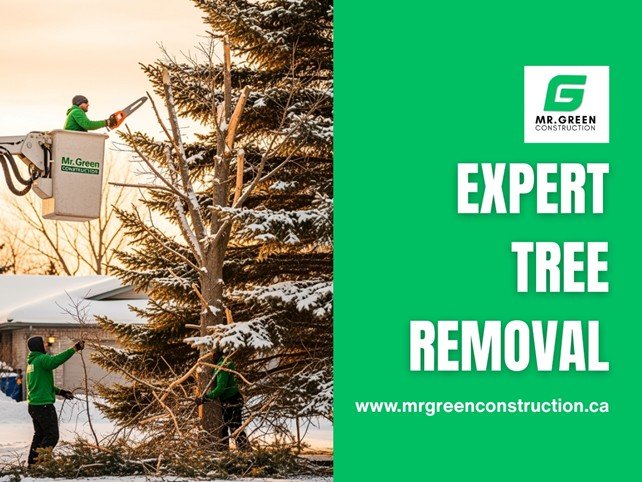
Tree size is one of the most significant cost factors because it determines how the crew will approach the job. Larger trees take longer to cut, longer to section, and longer to clean up. Smaller trees are much simpler because the branches are lighter and easier to control. Height also matters because the taller the tree, the more support and planning is needed. Taller trees require climbing, controlled lowering of branches, and in some cases, specialized equipment.
Condition and Stability Matter:
A healthy tree behaves predictably during removal, which helps the team cut and lower each section safely. A decaying or dead tree is much more challenging. Weak wood can break without warning. Sections can crumble instead of staying intact. Branches may snap unexpectedly. When a tree shows signs of disease, hollowing, or storm damage, the crew must slow down and adjust their approach to prevent sudden failures. That extra care adds to the overall cost.
Location on the Property Changes the Approach:
A tree standing in a wide open backyard is far easier to remove than a tree surrounded by fences, patios, sheds, gardens, or overhead lines. When access is limited, the team cannot rely on regular drop space. They must use controlled cutting so every branch lands safely. This often requires more workers, more equipment, and more time. Tight spaces demand thoughtful planning, and that planning influences the price.
Nearby Structures Add Complexity:
Trees close to homes, decks, driveways, or pools need to be removed in smaller, controlled sections. Each piece must be guided down gently rather than dropped. A tree that leans over a roof requires even more precision. Every branch must be cut in a way that protects buildings, powerlines, and neighbouring properties. Careful sectional removal increases labour time and contributes to the total cost.
Different Equipment for Different Trees:
Some trees can be removed using basic chainsaw work and climbing skills. Others require ropes, rigging, or cranes to lift large sections. Certain removals may need stump grinders or special saws, depending on the species and trunk thickness. When advanced equipment becomes necessary, the cost reflects the time and expertise involved.
Stump Removal Is an Additional Choice:
Tree removal often leaves a stump behind unless homeowners request stump grinding or full stump removal. Grinding involves breaking the stump into small chips until it sits below the soil. Full removal is more intensive because it requires digging out the root system. Older or larger stumps take longer to grind or remove. This step is optional but adds to the overall project cost.
Wood Type and Root Structure Affect Labour Time:
Ontario has many species with very different characteristics. Some trees have soft wood that cuts easily. Others have dense hardwood that takes longer to handle. Certain trees develop wide, spreading roots or thick trunk bases that need more effort. Identifying the species helps determine how much labour will be required, which is another element that shapes pricing.
Emergency Removals Can Cost More:
Emergency tree removal often involves unstable trees that lean, split, or fall after storms. These situations require immediate attention, sometimes outside regular service hours. They also demand extra caution because the tree may already be compromised. Urgency, risk level, and time of day all play a role in the final cost of emergency removal.
Cleanup is Part of the Work:
Tree removal does not end once the trunk is cut. Branches must be gathered, wood must be hauled or chipped, and the yard must be left safe. Cleanup time varies depending on the size of the tree and how much wood the homeowner chooses to keep. Large trees create large debris piles. This extra handling is included in the estimate.
Why Choosing a Professional Makes a Difference:
Tree removal involves height, heavy equipment, unpredictable wood behavior, and significant risk. Experienced crews understand how to evaluate the tree, identify hazards, and choose the method that keeps the property safe. Professionals also know how to handle controlled cuts, rope systems, and difficult angles. They remove the tree without damaging surrounding structures and complete the cleanup, so your yard is ready to use again. A well-handled removal gives homeowners peace of mind while protecting both property and safety.
Helpful Questions About Tree Removal Cost
Q1. Why does tree removal cost vary so much in Ontario?
A1. Costs vary because every tree has a different size, height, condition, and location. Each removal requires a different amount of equipment, labour, and planning.
Q2. Does removing a dead tree cost more?
A2. It often does because dead or decaying trees are unpredictable. They may collapse or split unexpectedly, which makes the removal process slower and more cautious.
Q3. How do I know if my tree needs to be removed?
A3. Signs include leaning, cracking, hollow areas, fungus growth, falling branches, and visible decay. A professional inspection helps confirm whether removal is necessary.
Q4. Is stump grinding included in tree removal?
A4. Stump grinding is usually offered as an additional service. Some homeowners want the stump removed completely, while others choose to leave it.
Q5. Who should I contact for safe and reliable tree removal services?
A5. A trusted and experienced outdoor construction company that understands local regulations, safety practices, and tree care standards in Ontario. Homeowners rely on skilled teams to handle tree removal with care and precision. Mr Green Construction works closely with homeowners to assess tree condition, create a safe removal plan, and complete the work with clear communication. Whether you are dealing with a damaged tree, planning landscape improvements, or exploring related services such as tree trimming near you, their team is ready to help you protect your property and maintain a healthy outdoor environment.


